
How to Plan a Collab Cafe: A 7-Step Guide to Fan-Friendly Character Cafes
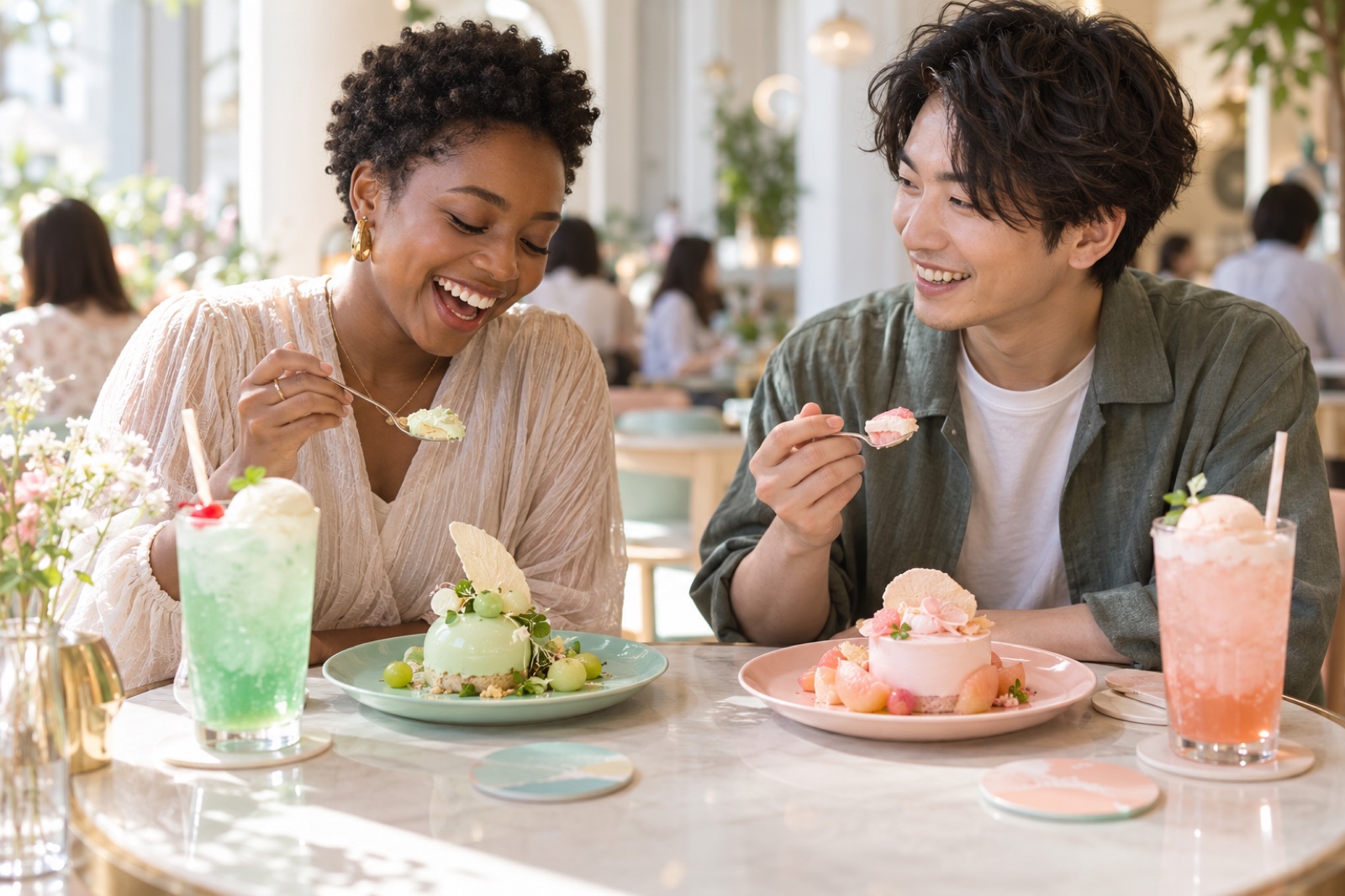
Eat a dish from inside the story. Photograph a drink in your oshi’s color. Share a room with other people who love the same series. A collab cafe is a limited-time pilgrimage site, a place where you can walk into a 2D world from the 3D one.
The more popular a cafe gets, though, the more it invites reservation wars, resale, over-ordering for random bonuses, uneaten food and stockouts. Lean on fan enthusiasm and you can build short-term sales, but if the experience turns into a war of attrition, it can sour fans on the work itself.
This article lays out how to design a collab cafe not as “a food-and-drink project that sells even at high prices” but as “a place where fans make memories with the work.”
Background to this article: In Episode 55 of our podcast and YouTube series, “The Dark Side of Collab Cafes,” The Oshi Lab analyzed reservation wars, resale, food waste and success stories. This article reworks that discussion into a practical guide for companies and IP holders at the planning stage. The episode is in Japanese.
Why Collab Cafes Are Special
The difference between a pop-up store and a collab cafe is that you don’t just buy things. You stay inside that world for a set amount of time.
- Taste a meal from the story, or a menu inspired by the characters
- Step into the worldview through the music, the interior, the tableware and even how staff greet you
- Take photos with your acrylic stand or nui
- Trade impressions with a companion who loves the same work
- Share photos and goods after you get home, and keep the afterglow going
So a collab cafe is a place to shop, but it is also a genba, or live event site, an anime pilgrimage stop and a hub where fans meet. Great food alone, a great interior alone or great goods alone never adds up to a finished project.
Collab cafeA limited-time pilgrimage site
- Story-themed menuMeals from the work or its characters
- WorldviewMusic, interior, tableware, staff
- PhotosWith acrylic stands and nui
- Fellow fansA companion who loves the same work
- AfterglowSharing photos and goods at home
Food, space and people only work as one experience.
The One Sentence to Decide Before Planning
First, write the purpose of the project in this form:
Who / experiences which emotion from the work / by doing what
For example: “Longtime fans gather around the story’s dinner table and feel the joy of reuniting with their friends.” That one sentence becomes your yardstick for every decision about the menu, the interior, the bonuses and the service.
Start from a sales target alone and you end up stacking tactics to raise spend per customer. Put the experience goal first and you can ask better questions: “Does this random bonus connect to the feeling of reunion?” “Does this dish look like something from the story’s dinner table?”
Seven Design Principles for Success
1. Worldview: Choose a Story, Not Decorations
Lining the walls with artwork from the series makes a photo spot, not an immersive experience.
Start by narrowing the whole work down to the time, place and relationships you will cover this time. Is it everyday school life? A feast after the final battle? A character’s birthday? Once you choose a scene, the menu names, music, seating and signage all connect into one story.
Check these three points:
- Can staff who don’t know the source material still explain the intent of the project?
- Can fans tell from the work itself why this dish or this decoration is here?
- Are the characters’ names, colors, relationships and manner of speaking all correct?
2. Menu: Give Looks and Taste the Same Priority
At a collab cafe, the photo is the first thing people judge and the taste is the last thing they remember. Put looks first and you get “great photo, disappointing meal.” Rely on taste alone and the reason for the collaboration doesn’t come across.
In tastings, check flavor, temperature, serving time, the gap between the food and its photo, allergen labeling and whether the portion can actually be finished. It also matters whether you can reproduce the same quality at peak hours, and whether the process is clear enough that serving staff never hesitate.
3. Reservations: Design for Fairness, Not Competition
Traffic surges and sell-outs within minutes prove popularity, but they don’t prove satisfaction. Fans who can’t get into the booking page, can’t tell what the result is, or don’t know the conditions for trying again are worn out before they ever arrive.
- Say whether you use a lottery or first-come, first-served, and explain why
- Allow a long enough application window so that connection speed in the first second doesn’t decide who gets in
- Have measures against duplicate applications and automated tools
- Redistribute canceled slots officially
- Don’t make companion details or ID checks more complicated than they need to be
The goal is not to make every applicant a winner. It is to make even the people who lose feel the process was fair.
4. Bonuses: Don’t Make Mass Ordering the “Right Answer”
When the design is one random bonus per dish, ordering until you pull your oshi becomes the rational move. When a full stomach collides with the urge to collect, leftover food is more than a question of individual manners.
Some ways to improve this:
- Offer some items where you can choose the character
- Run full-set sales, pre-orders and later online sales alongside the cafe
- Set up an official trading space, with rules, inside the venue
- Combine dish-linked bonuses with ones tied to admission or a visit
- State the per-person limit for orders and purchases in advance
If you want to keep the fun of random goods, give both groups an exit: people who enjoy the luck of the draw, and people who want to bring their oshi home for sure.
Random bonus per dish
- Ordering until you pull your oshi becomes rational
- Stomach limits collide with the urge to collect
- Leftover food follows
Bonuses with exits
- Some items where you choose the character
- Full sets, pre-orders and later online sales
- Official trading space and stated purchase limits
5. Merchandise: Don’t Assume Stockouts and Resale
Limited items give people a reason to visit, but judging a project a success because “it’s so successful nobody can buy anything” is dangerous. Even when resale prices climb, the profit doesn’t come back to the IP or the venue.
Combine pre-orders, orders taken after the run ends, purchase limits and real-time stock displays. When something sells out, simply stating whether it will be restocked, and when you will announce it, reduces confusion.
6. Operations: Turn Respect for the Work Into Service
For fans, a mistake with a character’s name or careless handling of a bonus is not just a service error. It feels like “my oshi was treated lightly.”
Staff training doesn’t have to require watching every episode. But the main characters, how they are addressed, the scene this project covers, the precautions for each product and the frequently asked questions should be shared understanding. Standards for exchanges and apologies when something goes wrong shouldn’t be left to whoever is on the floor.
- 01WorldviewChoose a story, not decorations
- 02MenuLooks and taste equal
- 03ReservationsFair, not a speed contest
- 04BonusesMass ordering is never the answer
- 05MerchandiseDon't assume stockouts
- 06OperationsRespect shown in service
- 07ReviewMeasure burden with sales
The guest sees one experience, so every step has to hold up.
7. Review: Measure the Burden Alongside the Sales
After the run, check the following in addition to visitor numbers, sales and spend per customer.
| Area | Example metrics |
|---|---|
| Reservations | Application completion rate, access errors, cancellations, no-shows |
| Food and drink | Plates finished, amount discarded, serving time, sold-out items |
| Merchandise | Time of stockouts, units bought, shift to pre-orders |
| Experience | Content of inquiries, specific praise on social media, intent to return |
| Operations | Staff workload, wrong deliveries and exchanges, time spent on inquiries |
Add to your success metrics not “how many minutes it took to sell out” but how many people went home satisfied without straining themselves.
Operating Models Worth Studying
Permanent Venue With Rotating Fairs
The Chiikawa Restaurant (official Ikebukuro PARCO page, in Japanese) keeps a permanent worldview while updating its fairs period by period. This eases the pressure to recoup the whole investment in a short run, and gives fans a reason to visit other than “if I miss this one, it’s over.”
Permanent Character Cafes
Permanent formats such as SANRIO CAFE (in Japanese) make it easy to keep a long-term connection with the characters. Even for limited-run projects, designs that reliably put your oshi in fans’ hands, such as items you can choose and menus by character, are worth learning from.
When the Cafe and the Production Are Close
At venues run in close touch with a work’s production and rollout, like ufotable Cafe (in Japanese), it is easier to plan events that follow the progress of the story. The strength here is not lavishness. It is the fine detail that lets fans read the context.
Chiikawa Restaurant
- Permanent worldview
- Fairs updated period by period
- Less pressure to recoup in one short run
SANRIO CAFE
- Long-term connection with characters
- Choosable items and menus by character
ufotable Cafe
- Events follow the story's progress
- Strength is fine detail, not lavishness
A Practical Checklist for Reducing Food Waste
- Does the way to earn a bonus push people to over-order?
- Can you adjust preparation volumes from the number of reservations and past results?
- Have you anticipated which menu items will draw uneven orders?
- Have you decided on substitute dishes and bonuses for when something sells out?
- Have you confirmed in tastings that the portion can be finished?
- Have you decided how to handle leftover goods and materials after the run?
Announcing environmental commitments is not enough. The root fix is a system in which fans can show their love for their oshi without leaving food on the plate.
Notes From The Oshi Lab: Designing the Time Spent Inside the Work
The value of a collab cafe is not printing a character on the food. It is designing time in which fans feel they spent an afternoon inside the work.
Scarcity is a powerful draw, but push it too far and reservations, orders, trading and merchandise all become competitions. What companies should watch is not only that day’s spend per customer, but whether fans went home with enough energy left to look forward to the next project.
A collab that earns lasting support doesn’t squeeze out every last drop of enthusiasm. It is one that fans, the IP holder and the venue all want to do again.
Pre-Planning Checklist
- Wrote the purpose of the experience as one sentence: who / what they feel / what they do
- Source and supervision staff checked names, colors, relationships and expressions
- Tasted the dishes under peak-hour serving conditions
- Designed reservation fairness and the redistribution of canceled slots
- Prepared ways to welcome fans other than mass ordering
- Decided how to announce stockouts, restocks and pre-orders
- Prepared staff training and standards for handling trouble
- Can measure satisfaction, waste and operating burden, not just sales
What turns a collab cafe into a pilgrimage site is not the IP’s name recognition. It is a design that turns fans’ love into good memories rather than competition.
Related articles: What Is Oshi-Katsu Marketing? / What Is Fan Marketing? / Oshi-Katsu Event Sites (Genba)
FAQ
Where should you start when planning a collab cafe?
Start by writing one sentence: who will experience which emotion from the work, and how. If you design the menu or the bonuses first, the worldview and the operations tend to drift apart.
What raises fan satisfaction at a collab cafe?
Photogenic food is not enough. Keep everything consistent: respect for the work, fair reservations, a way to choose your oshi, quality cooking and staff who understand the series.
Should you drop random bonuses?
You don't necessarily have to abolish them entirely. But provide escape routes such as a trading space, purchase limits, items you can choose and full-set options, so that ordering large amounts of food is never the best strategy.
How do you reduce food waste at a collab cafe?
The basics are these: don't tie bonuses only to the number of dishes ordered, adjust preparation volumes using reservation data, and announce substitutes in advance for when items sell out.
What should you measure after a collab cafe ends?
Look at sales and visitor numbers, but also reservation completion rate, cancellations, plates finished and food discarded, merchandise stockouts, the content of inquiries and intent to return. Measure the burden on fans, not just how intense their enthusiasm was.


