
What Is Fan Marketing? How It Differs From Oshi-Katsu Marketing
Hear “fan marketing” and you might picture growing social media followers or starting a fan club. But the essence isn’t gathering numbers. It’s understanding why the people who already choose you like you, and protecting and growing those reasons.

This article organizes the basics of fan marketing, and how it differs from the often-confused oshi-katsu marketing, into a form you can use in practice.
What Is Fan Marketing?
Fan marketing is marketing that builds an ongoing relationship with people who feel attached to a product, service or company, and leads to repeat purchases and referrals.
Promotion can reach new customers or encourage existing customers to return. For comparison here, we separate activities encouraging a first purchase from those developing an ongoing relationship.
| Viewpoint | Encourage a first purchase | Develop an ongoing relationship |
|---|---|---|
| Main audience | People who haven’t bought yet | People who already use or support you |
| Time frame | This purchase | A relationship that lasts |
| Main moves | Ads, discounts, campaigns | Dialogue, experience improvement, places to take part, sharing the story |
| Numbers watched | Impressions, acquisitions, sales | Retention, repeat purchases, referrals, reasons for attachment |
It doesn’t mean ads and new acquisition become unnecessary. Fan marketing pursues two activities in parallel: reaching new customers and growing the relationship with people you have already met.
Fan marketing
- DialogueListen to what customers value
- ExperienceGive people reasons to choose again
- ParticipationOffer places for people to take part
These activities run alongside efforts to reach new customers.
How Are “Customers” and “Fans” Different?
A customer is seen through the action of “someone who bought.” A fan has a reason to choose you and a reason to talk about you.
- They don’t just buy because it’s convenient; they want the product to keep its character
- When a new product comes out, they look forward to it as if it were their own
- When recommending it to someone, they can explain in their own words an appeal that isn’t price
- Even when they’re dissatisfied, they speak up out of an expectation that things will improve
A note of caution here: fans are not only people who spend a lot. Some can’t buy often because of their circumstances, yet have used the product for years. Conversely, some buy heaps during a campaign and leave once the discount ends.
Not treating the size of sales and the depth of attachment as the same thing is the starting point for understanding fans.
How It Differs From Oshi-Katsu Marketing
The Oshi Lab distinguishes between developing attachment to a brand and supporting the actions people take for an oshi. A project can do both; the terminology does not have a universally fixed boundary.
| Fan marketing | Oshi-katsu marketing | |
|---|---|---|
| Starting point | People who like your own products and brand | Oshi-katsu culture and behavior that already exist |
| The star | The brand and its fans | An oshi, and the fans who support that oshi |
| Typical efforts | User discussion sessions, communities, co-creation, anniversary events | Oshi colors, birthday celebrations (seitansai), concept products, merch photography, collabs |
| Goal | A relationship in which you’re chosen for the long term | An experience that makes it easy for fans to support their oshi |
For example, a coffee shop that listens to regulars and grows the atmosphere and menu together with them is doing fan marketing. If the same shop prepares drinks in oshi colors and seats for photographing acrylic stands (akusuta), the elements of oshi-katsu marketing get stronger.
And if, as a result of building up those efforts, people come to think “I want to support this shop itself,” the two overlap. There’s also a flow in which you meet people through oshi-katsu marketing and grow the relationship with fan marketing.
Grow the shop with regulars
- Listen to regulars
- Grow the atmosphere and menu together
Help fans support their oshi
- Drinks in oshi colors
- Seats for photographing acrylic stands
When people want to support the shop itself, the two overlap.
Official Examples: Show What Happened After Inviting Ideas
MUJI: Connect Voting With a Product Launch
On August 19, 2026, Ryohin Keikaku announced four baumkuchen products developed through a customer-participation project. Thirteen candidates were selected from 2,519 ideas submitted by customers and store staff in 2025. A vote determined the top two from eastern and western Japan. Nationwide sales were announced to begin progressively on August 26, 2026.
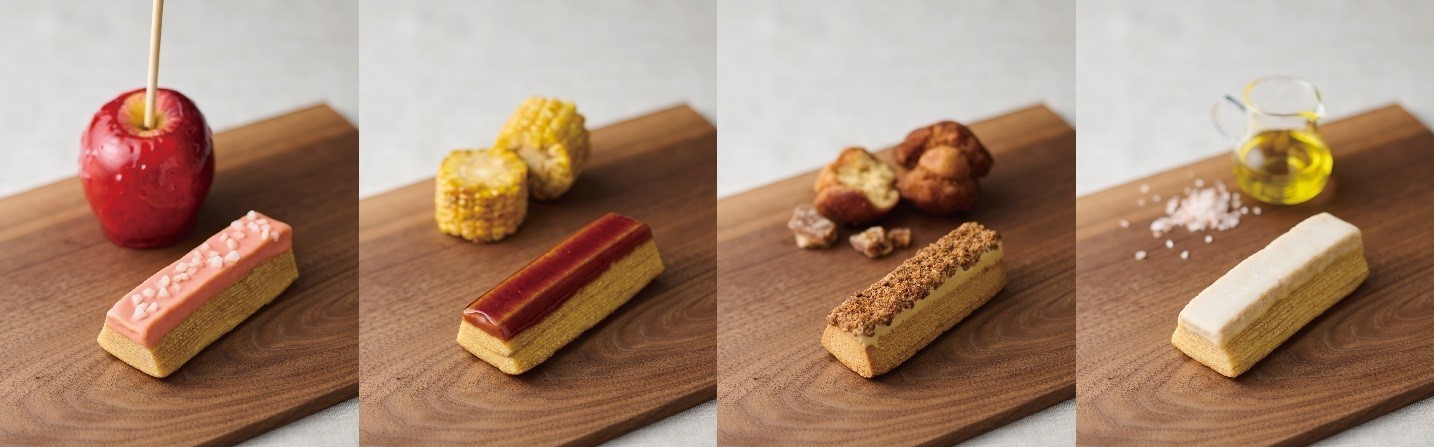
Participants can see which ideas became products rather than having their feedback merely counted. For your own project, decide the selection method and when results will be announced before inviting ideas. Reporting progress after selection also makes the purpose of the invitation clearer.
LEGO: Develop a Fan’s Original Concept Into a Finished Product
LEGO’s official January 18, 2021 announcement introduces the Medieval Blacksmith concept submitted by fan Clemens Fiedler. Following community support, LEGO designers developed it into a commercial set.
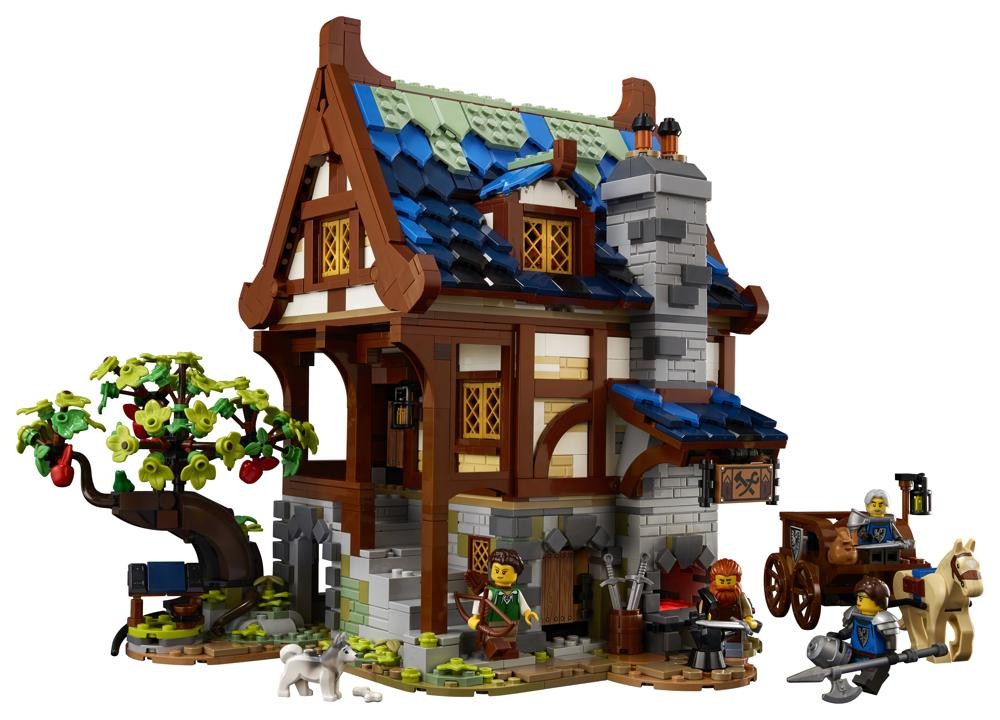
The photograph shows the finished building together with its garden and figures. A co-creation project should explain the roles of the person proposing an idea and the business responsible for design, quality and sales. Inviting proposals should not be confused with accepting every proposal unchanged.
These are company accounts of projects and commercialization. They do not by themselves establish improvements in retention or profit. When evaluating your own project, distinguish participants’ feedback from behavior such as repeat purchases.
Why Relationships With Fans Matter Now
Information for comparing products is everywhere, and function and price alone no longer convey differences. In that setting, trust like “I like how this company thinks” and “I can recommend this with confidence” is not easily copied.
Fans’ words also reveal value that companies overlook. A company may be evaluating performance, but users may cite “the staff remembered my name” or “how they handled it when I had trouble” as the reason they like you.
Before it is a technique for turning support into sales, fan marketing is a mechanism for having fans teach you the value of your own company.
How to Start: Four Steps at a Small Scale
1. Find the People Who Already Support You
Look at multiple touchpoints, not just purchase counts: reviews, inquiries, social media posts and event participation. People who “choose you repeatedly” and “recommend you with specific reasons” are the way in.
2. Ask Why They Like You
Asking only “were you satisfied?” won’t reveal the reasons.
- What first made you aware of us?
- What was the deciding factor in choosing us over another company?
- If you were recommending us to someone, what would you explain?
- What would you be upset to lose?
Asking these four makes the value worth protecting easier to see.
- 01Find supportersReviews, inquiries, posts, events
- 02Ask whyFour questions about their reasons
- 03Make roomWatching and answering count
- 04Report backSay what changed, and what did not
Closing the loop is what builds trust in the dialogue.
3. Create Room to Take Part
There are levels of involvement: voting on a product name, giving opinions on a prototype, sharing how you use it, anniversary events. Don’t ask everyone to post or buy; offer entry points where people can take part by only watching or only answering.
4. Report Back on How You Reflected Their Voices
It’s important not to collect opinions and leave it at that. Saying “in response to this feedback, we changed this” or “this time we’re not changing it, for this reason” builds trust in the dialogue.
Three Patterns That Tend to Fail
Treating Fans as “Free Billboards”
Asking for referrals isn’t bad in itself. But if you make posting and spreading the word a matter of course, support suddenly turns into work. You need to respect the freedom not to refer, too.
Making Only the Loud Voices the “Fan Representatives”
The opinions of people who post often on social media are easy to find, while the voices of those who quietly use you for a long time are hard to see. Combine discussion sessions with individual interviews and anonymous surveys.
Stirring Up Competition for Short-Term Sales
Rankings, excessive limited editions and complicated purchase perks may produce numbers for a while, but they wear fans out. A design that causes oshi-katsu fatigue should be avoided in fan marketing as well.
Don’t Measure Results by Follower Counts Alone
The results of fan marketing can’t be judged by a single number.
- Continued use and repeat purchase rates
- Referrals to friends and coworkers
- Return participation in events and the community
- More suggestions for improvement and specific comments
- Changes in free-text answers about “why they like you”
What matters is looking not only right after an effort but months later. Rather than whether it was a big success, check whether the relationship continued.
The relationshipJudged by many signals, not one number
- RetentionContinued use and repeat purchases
- ReferralsTo friends and coworkers
- Return participationEvents and the community
- SuggestionsMore improvement ideas and specifics
- Free-text reasonsChanges in why they like you
Look months later, not only right after an effort.
Notes From The Oshi Lab: Fans’ Passion Is Something Held on Loan
At the Lab, we think of fans’ passion not as a resource a company can use freely but as something held temporarily, on loan.
That’s why you need to design not only for the moment sales grow, but also for fans being able to rest, to step away and to speak their minds. Protecting opportunities for fans to engage at their own pace is also part of a company’s work.
Summary
Fan marketing involves understanding why people like you and building a relationship in which you continue to be chosen.
Understanding your own fans and supporting the experience of cheering for an oshi can work together. First decide whom the project serves and what participation or use it offers, then choose an approach they can sustain.
If you’d like to take stock of where your company stands, please also try the Oshi-ability Check (in Japanese), which analyzes five dimensions. For consultations on fan marketing and oshi-katsu efforts, contact KAZAORI Inc. (in Japanese).
FAQ
What is fan marketing?
It's an approach that builds relationships with fans who feel attached to a product or brand and leads them to keep using it and to spread the word. It prioritizes creating reasons to keep choosing you and places for dialogue over selling a lot in the short term.
How is fan marketing different from oshi-katsu marketing?
The Oshi Lab distinguishes developing attachment to a brand from supporting oshi-katsu behavior, such as oshi colors, birthday celebrations and sharing recommendations. A project may do both; the terms are not mutually exclusive.
Can a company with few fans start?
Yes. Before numbers, the first job is to carefully gather the voices of people who choose you repeatedly and recommend you with specific reasons. Even a small discussion session or a post-purchase survey is enough.
What metrics should you track in fan marketing?
Not just follower counts: combine retention, repeat purchases, referrals, return participation in the community and the recommendation reasons in free-text answers. The depth of a relationship can't be captured by a single number.
Do you need discounts to gain fans?
Discounts can encourage purchases. Whether they are needed depends on the objective and customers. Also examine continued use after a discount and reasons for choosing you beyond price.


