
Your First Japanese Live Concert: What to Bring, What to Wear and How to Behave
The joy of winning a ticket is followed straight away by the worry: “What do I even bring?” Everyone gets nervous at their first genba (live event; the word literally means “the field”).
This article lays out what you need to prepare for your debut, in chronological order. Read it and you’ll be fine.
First: How Do You Get Tickets?
The first hurdle for a first-timer is the ticket. There are three common routes.
- Fan club and presale lotteries: The standard route, and the one most likely to win. The flow is apply, lottery, results, payment, so give yourself plenty of time
- General sale: Often first come, first served, so be online the moment it opens
- Official resale: An official system for buying tickets at face value from people who can no longer go. Person-to-person deals on social media risk scams and denied entry, so stick to official systems only
Even if you lose the lottery, chances often turn up at the last minute through added shows or official resale. Winning is luck, and losing doesn’t make you less of a fan.
Fan club presale
- Apply, lottery, results, payment
- Leave plenty of time
General sale
- Often first come, first served
- Be online the moment it opens
Official resale
- Face-value tickets from people who cannot go
- Avoid deals on social media
Only official systems are safe; private deals risk scams and denied entry.
What to Do by the Day Before
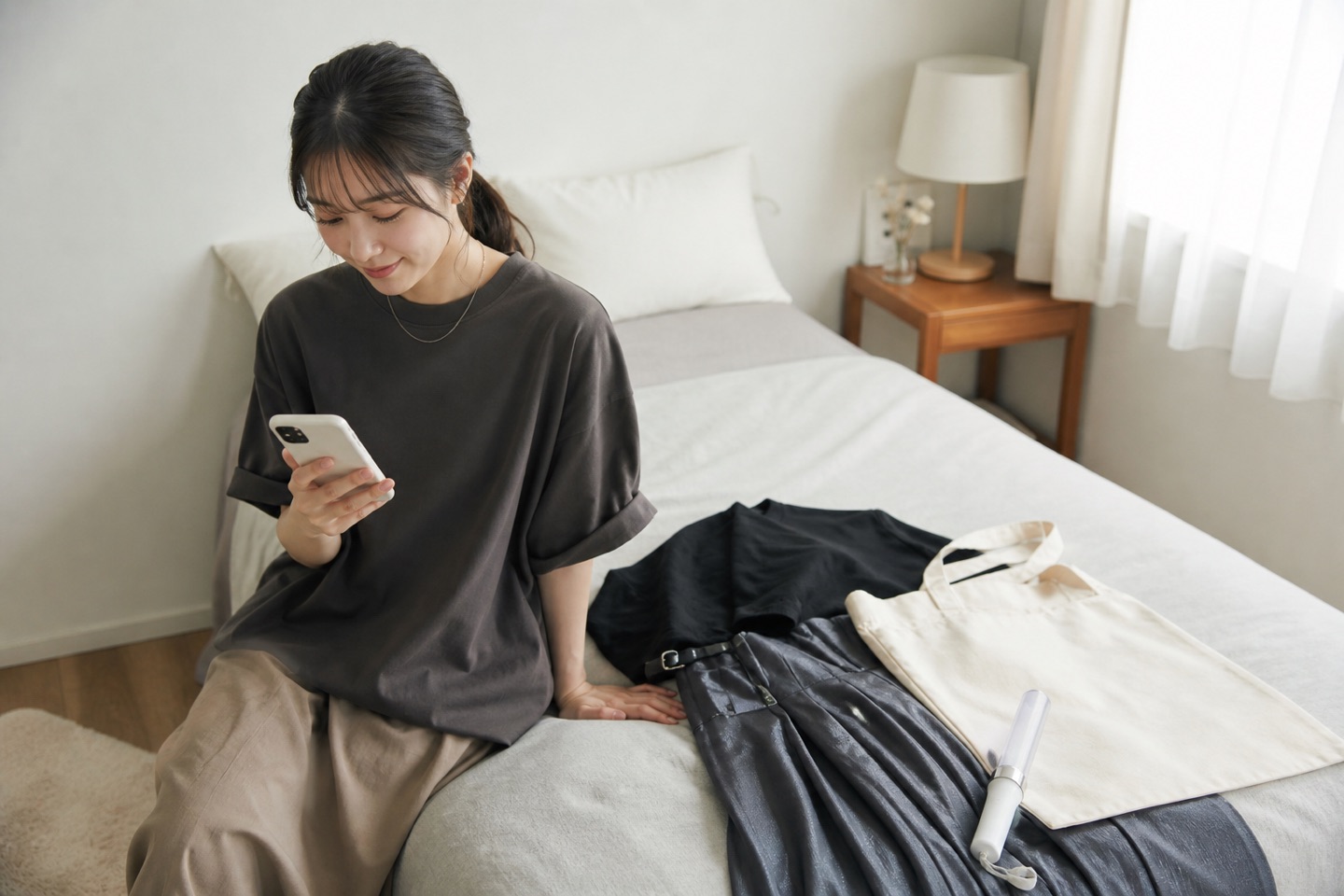
- Check the ticket display: Log in to the e-ticket app and test the display before the day. Also find out whether screenshots are allowed, in case the network fails on the day
- Check the route to the venue: Aim to arrive an hour before doors open. Big venues are a longer walk from the nearest station than you’d expect
- Check the rules: Rules for penlights (official only?), the size of support uchiwa (fan-style signs) and whether photography is allowed differ by show. Always read the “notes” on the official site
- Plan your merchandise shopping: If there’s advance mail order, use it. Expect very long lines for on-site merchandise
What to Bring on the Day
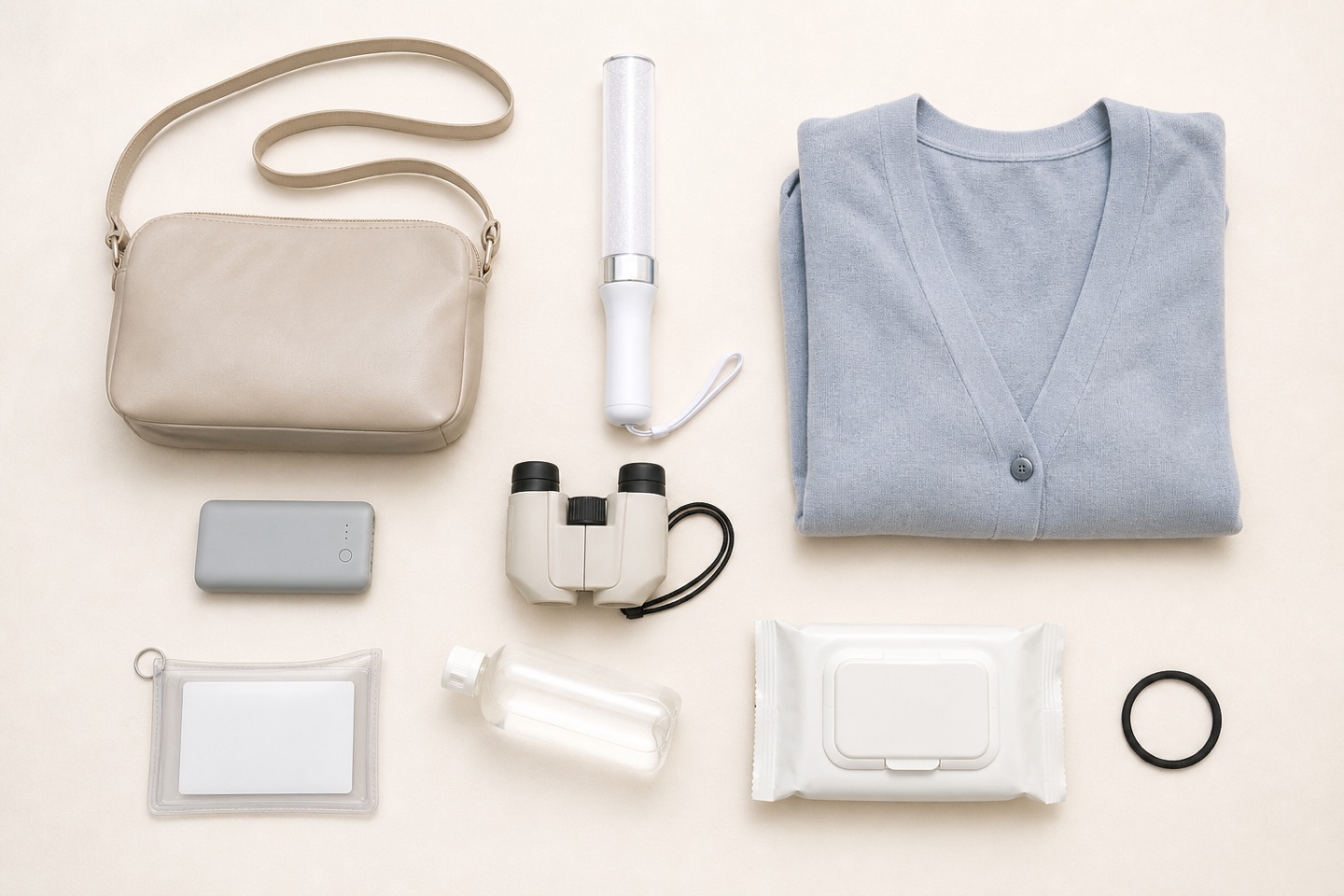
| Must-haves | Nice to have |
|---|---|
| Ticket (e-ticket, plus a portable battery) | Binoculars (a lifesaver for rear seats) |
| ID (some shows check identity) | A case for ginte (silver tape streamers) |
| Penlight and spare batteries | A drink (venues are dry) |
| A little cash plus a transit IC card | Something to layer (air conditioning) |
| A smallish bag | Sweat-wipe sheets and hair ties |
Leave large bags in a locker or cloakroom. The space by your feet at your seat is smaller than you’d think.
Your bagSmall, with room to move
- E-ticketTested the day before
- Portable batteryThe biggest safeguard
- PenlightWith spare batteries
- ID and cashPlus a transit IC card
- BinocularsFor rear seats
- A layer and a drinkDry air, cold air conditioning
Leave anything big in a locker.
One item deserves special emphasis: the portable battery. E-ticket, map to the venue, transfer search for the trip home, repo (fan report) after the show: your phone battery drains astonishingly fast at a live event. “I can’t display my ticket” is the biggest accident on the day, so it’s safest to double up on charging.
How to Think About Your Outfit (Sansen-Fuku)

The basics are up to you, with just two rules on top.
- Wear shoes you can walk in: ones that can handle the trip to and from the venue plus two to three hours on your feet
- Think about sightlines: A high bun or a large hat blocks the stage for the person behind you
If you want to have fun with it, there is a culture of sansen-fuku (“concert outfits”) that work your oshi color into clothes, nails and accessories. Head-to-toe oshi color or a single accent, there is no wrong answer.
If in doubt, start with “comfortable clothes plus one accessory in your oshi color.” A tote bag, a ribbon, nails, a hair accessory: even one small item changes how you feel the moment you arrive. Elaborate gainen code (concept coordination) can wait until you’re used to the scene.
The Flow of the Day: From Doors to the End
At a first show, it’s surprisingly hard to know what to do when. A standard flow looks like this.
- Arrive about an hour before doors open: Earlier if you’ll queue for merchandise. First put your bags in a locker
- Doors open: Show your ticket and enter. Check your seat and use the restroom (it gets crowded right before the show)
- Before the show starts: Check that your penlight lights up. A quick hello to the people around you makes for a pleasant start
- During the show: Have the time of your life. That’s all
- After the show, staggered exit: At big venues, exits are guided block by block. Wait without rushing and soak in the afterglow
- 01ArriveAbout an hour before doors
- 02Doors openEnter, find your seat, restroom
- 03Before the showTest the penlight, greet neighbors
- 04The showHave the time of your life
- 05Staggered exitBlock by block, no rushing
The gap between doors and show start is for merchandise, lockers and finding your seat.
Three Rules of Venue Etiquette
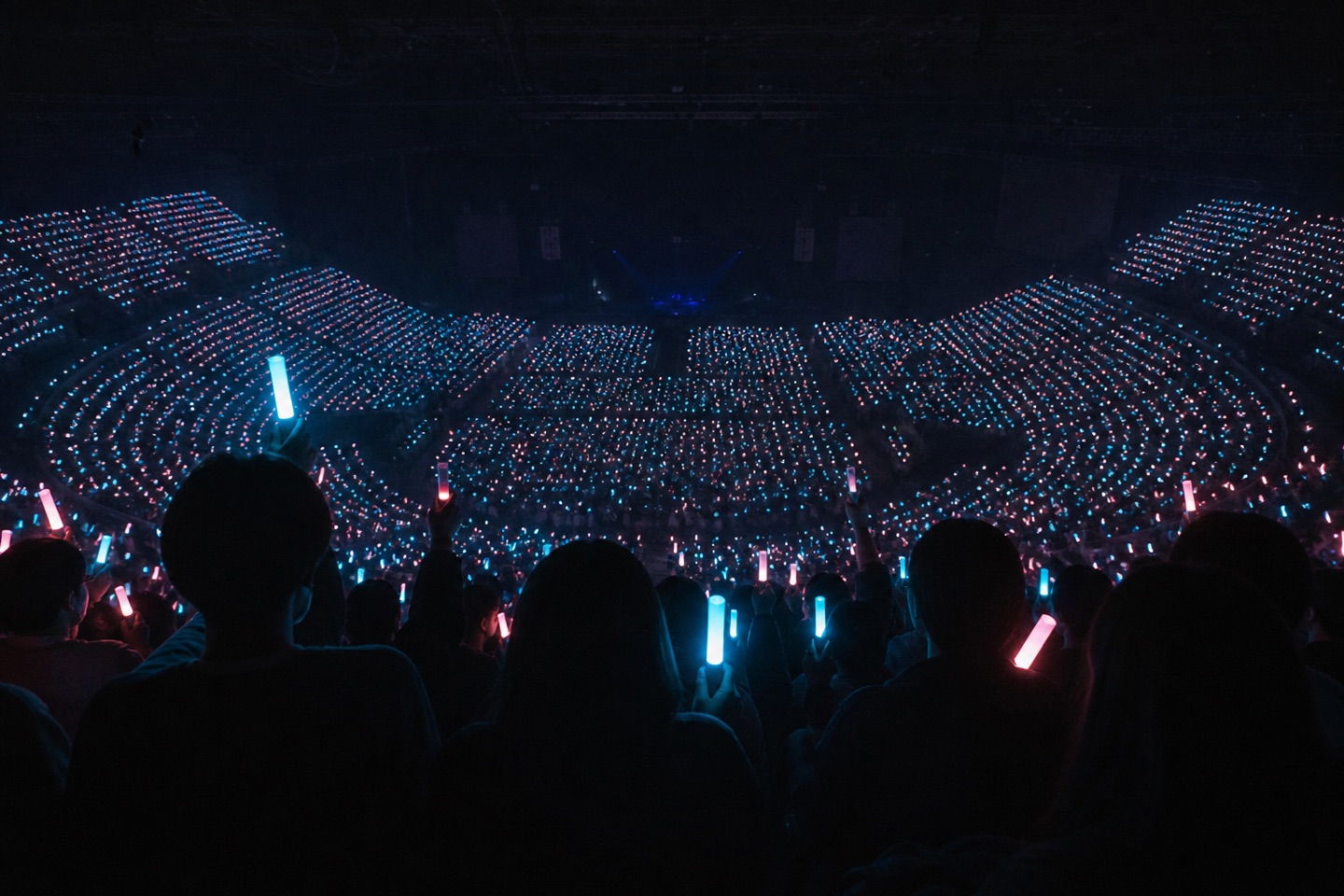
- Enjoy yourself in your own seat and your own space: Don’t step into the aisle, and don’t spread your arms too wide
- Follow the rules on phones during the show: Even at shows where photos are allowed, screen light can bother people behind you
- It’s fine if your energy differs from those around you: Within the rules, you’re free to listen quietly or wave with all your might
Etiquette comes down to one thing: “Your way of enjoying it shouldn’t cut into someone else’s.”
For a first show, you don’t need to have memorized every call (fan chants) or dance move. Watching those around you and copying is plenty, and the fun of learning them can wait for your second show.
Enjoying the Time After
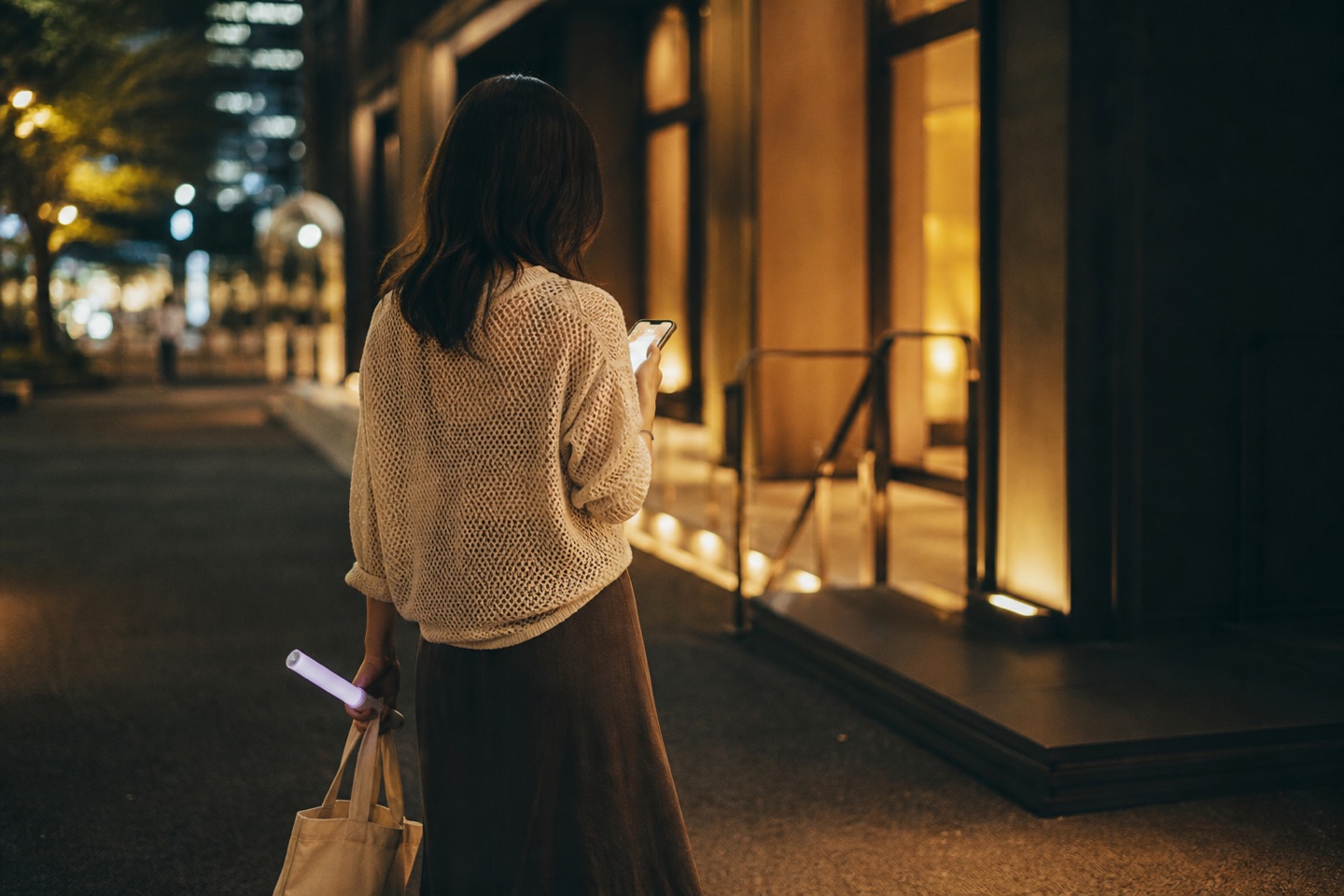
- Reviewing the setlist: Replaying today’s song order in the afterglow is pure bliss
- Writing and reading reports: Memory fades faster than you think, so jot down notes the same day
- Finding your next genba: If you start looking up your next ticket on the way home, you’re already a proper genba regular
One caution. Right after a show, social media calls for consideration about spoilers, for people who will see the evening show or watch by stream. When you post the setlist or details of the staging, the custom at genba is to add a buffer, such as kensaku-yoke (writing so the post won’t turn up in searches) or a spoiler note.
Summary
Most first-timer nerves disappear once you check the rules beforehand and work from a packing list. After that, all that’s left is to have the time of your life.
If you’re heading to a distant venue, see our article on ensei (traveling to see your oshi), and for celebrations after a live show, see birthday parties without the star. Enjoy your genba debut!
FAQ
Is it okay to go to a live show alone?
Not a problem at all. In a 2026 survey by Booklista's Oshi-Katsu Research Club (in Japanese), about 60% of oshi-katsu users are "basically the type to act alone," and 46.8% of respondents said they had been to a live show or music festival alone. Going solo also means you can enjoy it at your own pace.
Are there rules for what to wear?
It's mostly up to you, but keep two things in mind: shoes you can move in, and a hairstyle or hat that doesn't block the view of the person behind you. There's also a culture of "sansen-fuku" (concert outfits) that bring in your oshi color.
What is the difference between doors-open time and start time?
Doors open (*kaijo*) is when you can enter the venue, and start time (*kaien*) is when the show begins. The gap is usually around an hour. Use it for merchandise, lockers, the restroom and finding your seat.
Will I stand out if I don't have a penlight?
No. Plenty of people go empty-handed. Some shows only allow the official penlight, though, so if you plan to buy one, check the notes on the official site first.
Do I need binoculars?
They're well worth bringing for rear seats in an arena or dome. A magnification of about 8 to 10x is considered standard, and anything higher can be harder to use because of hand shake. At smaller venues such as halls, you often won't need them.


