
J.League and Oshikatsu: From Pokémon Collaborations to Local Fan Engagement
Wearing a favorite player’s jersey, holding up a towel scarf in club colors, and making an away fan travel trip (ensei) to another city: supporting a J.League soccer club involves many of the same joys now widely described in Japan as oshikatsu (supporting one’s favorite idol, character, or team). For businesses looking to learn from sports fandom, the most valuable takeaway is preparing both an accessible first point of contact and ongoing touchpoints that let people continue their support over time.

In this article, we examine official documentation covering J.League’s nationwide project with Pokémon, its community-rooted 100 Year Vision, and how a stadium can be used on days when no match is scheduled. Rather than assuming that a collaboration announcement automatically guarantees long-term attendance growth, we organize these examples to show how organizations can design practical guidance before and after a visitor’s first trip to the venue.
Giving People Who Know Pokémon an Entry Point to Their Local Club
In an announcement published by J.League on July 6, 2026 (in Japanese), the league outlined the “Pokémon J.League Fest,” a campaign timed to the opening of the 2026/27 season across all 60 clubs nationwide. The initiative assigns a different partner Pokémon to each club and sets out a plan to distribute a total of one million eco-bags at designated matches.
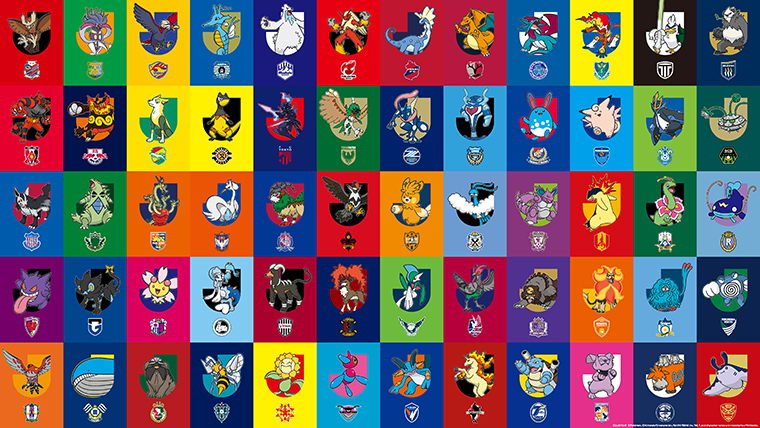
The visual chart is structured so viewers can compare pairings in both directions—starting from a favorite Pokémon to discover a club name, or starting from their local hometown club to see which Pokémon represents it. Even for people who do not yet know much about professional soccer clubs, the lineup provides an immediate, familiar hook to catch their attention.
- 60 Clubs
- Nationwide J.League clubs each paired with a distinct partner Pokémon
- 1,000,000
- Total eco-bags planned for distribution at designated matches
Source: J.League official announcement (July 6, 2026)
Even so, the number of items planned for distribution is not the same thing as the number of newly acquired fans or repeat visitors. If an organization wants to evaluate a campaign like this accurately, it needs records that correspond to the specific behaviors it hopes to understand—such as asking first-time attendees what prompted their visit, or tracking whether the experience led to a second match. We break down the mechanics of this initiative in greater detail in our guide to the Pokémon x J.League collaboration.
The 100 Year Vision: A Sports Philosophy That Goes Beyond Watching Matches
The official page for the J.League 100 Year Vision (in Japanese) introduces the core philosophy the league has championed since 1996. Its goal is to cultivate an environment where anyone can enjoy sports in diverse ways through clubs deeply rooted in their local communities. This is fundamentally different from a business plan designed simply to get customers to buy a single club’s merchandise over a long period.
Viewed through the lens of oshikatsu, what stands out is the availability of multiple ways to get involved—whether by watching matches in the stands, playing sports oneself, or taking part in neighborhood activities. Even residents who cannot attend every home game can still build familiarity with the club through other community touchpoints.
At the same time, living in a club’s hometown does not mean a person is obligated to support that team. People find their way into fandom through many different doors: where they grew up, an individual player they admire, an exciting style of play, or an invitation from a friend. While valuing ties to the local region, clubs also need to offer welcoming guidance that does not insist on just one “correct” way to become a fan.
Creating a Place People Can Visit Even on Non-Matchdays
In an official notice published on August 5, 2026 (in Japanese), FC Imabari explained the everyday public access areas at ASICS Satoyama Stadium. On ordinary days when no matches or special events are taking place, visitors are welcome to use designated seating areas, whereas the pitch itself and the clubhouse remain off-limits. Accessible zones and opening hours may also change depending on weather conditions, maintenance inspections, or scheduled events.
Having a community stadium is not the same as allowing unrestricted access to every part of the facility every day of the year. Anyone planning an in-person visit should check the facility map and the latest official announcements beforehand.
For venue operators and project planners, the practical lesson here is the value of presenting clear reasons to visit outside of game days while communicating the exact conditions for doing so. When people consider stopping by for a walk, a rest, or food and drinks, knowing in advance which spaces are open, which days the facility is closed, and where entry is restricted makes it much easier for first-time visitors to plan an outing.
Community-Rooted Club
- Matchday AttendanceCheering from designated seats or supporter sections
- IP CollaborationsDiscovering a local club through familiar characters like Pokémon
- Non-Matchday VisitsUsing open stadium areas for walks, breaks, or dining within facility rules
- Local ParticipationEngaging in physical exercise or neighborhood events under the 100 Year Vision
Source: The Oshi Lab's summary of the article
Separating Guidance for First-Time Visitors from Everyday Supporters
Someone visiting a stadium for the very first time needs completely different information from a seasoned supporter who attends every week.
| Stage | What a First-Time Visitor Wants to Know | Guidance the Club Can Prepare |
|---|---|---|
| Considering a visit | Who is playing, and what time will it end? | Matchup details, kickoff time, estimated duration, and routes home |
| Choosing a ticket | Which seat should I pick? | Differences between seat categories, pricing, and explanations of cheering sections |
| Heading to the stadium | Where is the entrance, how do I get there, and what can I bring? | Transit access, entry gates, and rules on prohibited or permitted items |
| Watching the match | How do I tell players apart, and how do I join the cheering? | Jersey numbers, player introductions, and viewing etiquette |
| After returning home | How can I keep enjoying this next? | Upcoming match schedules, match results, and updates on players or community activities |
This table is an illustrative framework designed by The Oshi Lab to show how visitor guidance can be structured. The distinction between reserved seating and active cheering sections, where vocal cheering is permitted, and rules governing photography or fan merchandise should never be guessed based on habits from concerts or other sports; visitors and planners alike should always verify the specific regulations set by the host club and match.
Recognizing Shared Fan Behaviors Without Ranking Them or Claiming a Single Origin
| Familiar Actions in Soccer Support | Parallels Seen in Oshikatsu |
|---|---|
| Wearing replica jerseys or towel scarves | Displaying one’s favorite figure or representative color |
| Singing team chants | Cheering in unison with the people around you |
| Traveling to away matches | Visiting the places where one’s favorite (oshi) is active |
| Choosing a specific player’s jersey number | Looking forward to an individual’s personal performance |
| Supporting a club with family and friends | Sharing something you love with others |
While these parallels are clear, pointing them out does not mean that sports cheering is the sole historical origin of all other forms of oshikatsu. Within soccer venues alone, some people come to back the club as a whole, others focus on a specific player, and others simply love watching the game itself. Rather than trying to replace long-standing supporter culture with a single trendy label, understanding the specific behaviors each group values is far more helpful when designing fan initiatives.
- 01First DiscoveryA collaboration, player, club tie, or friend's invitation sparks initial interest
- 02Pre-Visit & Matchday GuidanceClear information on seating types, transit access, entry rules, and match duration
- 03Post-Visit Follow-UpPresenting selectable next touchpoints like schedules, player stories, or local events
- 04Ongoing RelationshipLetting fans engage at their own pace without forcing everyone into paid memberships
Source: The Oshi Lab's summary of the article
What Businesses Should Check After Running a Collaboration
A well-designed campaign plans all the way through to what happens after someone receives a giveaway item at the gate. By presenting a menu of next steps—such as upcoming match dates, player profiles, fan club options, or local community events—organizations allow new visitors to choose the touchpoint that best fits their interest.
- Was the initial reason for attending sparked by the collaborated IP, the club, an individual player, or a companion’s invitation?
- Did the visitor experience any confusion when choosing tickets or navigating stadium entry?
- What part of the experience left a lasting impression outside of the collaboration itself?
- Is there specific information they would like to learn next, or a future opportunity they want to join?
Rather than making it the sole objective to convert every single visitor into a paid fan club member immediately, organizers should check whether first-time attendees genuinely enjoyed their day and whether they can comfortably reconnect on their own terms. How often someone attends and how much time they can dedicate will naturally vary from one fan to the next.
What J.League’s examples demonstrate is how to bridge a wide, welcoming entryway with everyday touchpoints that sustain interest over time. When businesses plan their own promotional campaigns, pairing an initial encounter with a popular IP alongside thoughtful follow-up information and accessible local experiences makes all the difference.
For inquiries regarding oshikatsu initiatives for sports organizations, please contact KAZAORI Inc. (in Japanese). Related articles: B.League and Oshikatsu / Nippon Professional Baseball (NPB) and Oshikatsu / Fan Marketing
FAQ
Does watching live sports count as oshikatsu?
Cheering for a favorite player or club, choosing a replica jersey, and traveling to matches in person share many of the same pleasures found in oshikatsu (dedicated fan activities). That said, not all supporters use the same terminology or cheer in the same way.
What is the Pokémon x J.League project?
It is an official campaign timed to the start of the 2026/27 season that pairs each of the league's 60 clubs with a dedicated partner Pokémon. According to the announcement, the plan includes distributing a combined total of one million eco-bags across eligible matches. A distribution plan, however, should be distinguished from measured results in acquiring new fans.
What is the J.League 100 Year Vision?
Introduced in 1996, it is a guiding philosophy aimed at creating an environment where people can enjoy sports through clubs rooted in their local communities. Rather than focusing solely on ticket sales or merchandise purchases, it encompasses engaging with sports in a wide variety of ways.


