

Basketball Pilgrimage in Japan: Ten Destinations from Yoyogi to Okinawa
At Tokyo's Yoyogi National Gymnasium in Shibuya, the Second Gymnasium has a roof shaped like a seashell. It hosted basketball at the 1964 Tokyo Olympics. It remained a home of Japanese basketball, hosting university championships and Japan League matches after the Games. At the end of the year, Tokyo Metropolitan Gymnasium in Sendagaya hosts the Winter Cup to determine Japan's top high school team.
Noshiro, Akita, is a “basketball town” that produced Noshiro Technical High School, which won 58 national titles. The city has a goal on the train station platform, a free basketball museum, and a gymnasium that hosts the Noshiro Cup in May. This route also visits TOYOTA ARENA TOKYO, where the B.PREMIER began in September 2026, Yokohama Arena, venue for the B.League Finals, and Okinawa Sun Arena, where Japan secured a place at the Paris Olympics. These are ten destinations.
Ten basketball destinations, from Yoyogi, Sendagaya, Odaiba, and Shin-Yokohama to Noshiro and Okinawa
Yoyogi and Sendagaya in Tokyo are home to venues for the Olympics and national high school championships. Odaiba and Shin-Yokohama have hosted major B.League games, while Noshiro, Akita, embraces basketball throughout the city, from the station to the gymnasium. In Okinawa, you can tour behind the scenes at the arena that hosted Japan national-team games. Dates, hours, and ticket details reflect information available at the time of writing. Check official sites for updates before visiting.
1. Yoyogi National Gymnasium Second Gymnasium
A gymnasium with a spiral roof designed by Kenzo Tange. It has carried on from an Olympic venue to the stage for university championships and the Japan League.
More about Yoyogi National Gymnasium Second Gymnasium2. Yoyogi National Gymnasium First Gymnasium
Hosted the B.League's opening game between Alvark Tokyo and Ryukyu in September 2016, and the 100th Emperor's Cup final in March 2025.
More about Yoyogi National Gymnasium First Gymnasium3. Tokyo Metropolitan Gymnasium
A venue for sports since the 1958 Asian Games. Every December, it hosts the national high school tournament to decide Japan's top team.
More about Tokyo Metropolitan Gymnasium④ TOYOTA ARENA
A new arena that opened in the Odaiba area in fall 2025. It hosted the first B.PREMIER game and has a permanent outdoor court.
More about TOYOTA ARENA5. Yokohama Arena
An elliptical arena in Shin-Yokohama with a capacity of up to 17,000. It hosted the Championship finals in 2023 and 2026.
More about Yokohama Arena6. Noshiro Station
A Gono Line station where visitors can try a shot at a basket on the platform. The tourist information center has a Noshiro Technical High School display and commemorative stamps.
More about Noshiro Station7. Noshiro Basketball Museum
A specialized exhibition space with free admission in Yanagimachi's shopping district. It has records of legendary coaches and players and basketball magazines dating back to their first issues.
More about Noshiro Basketball Museum8. NODEN Arena
The venue for an invitational tournament where top high school teams from across Japan gather every Golden Week. Posters and autographs from past tournaments are displayed inside.
More about NODEN Arena9. Noshiro Science and Technology High School
A prefectural high school carrying on the history of Noshiro Technical, winner of 58 national titles. The second-floor viewing area is open to the public.
More about Noshiro Science and Technology High School10. Okinawa Arena
Home of the Ryukyu Golden Kings and a venue for the 2023 World Cup in Japan. Advance-reservation arena tours are also offered.
More about Okinawa Arena
1Yoyogi National Gymnasium Second Gymnasium | A basketball venue for the 1964 Tokyo Olympics, with circular seating around the court
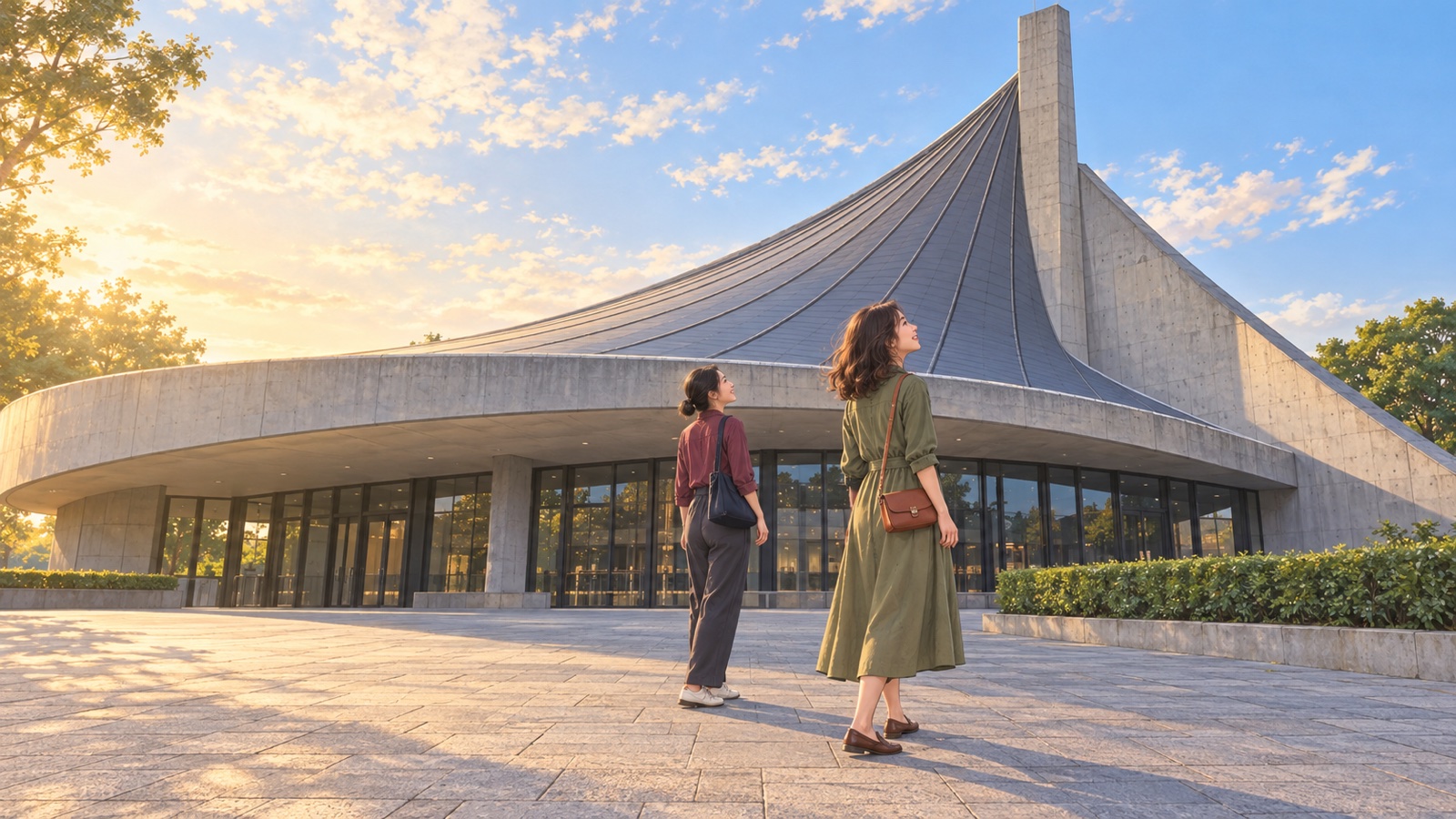
Yoyogi National Gymnasium at 2-1-1 Jinnan, Shibuya, Tokyo, is a signature work by architect Kenzo Tange. In October 1964, during the Tokyo Olympics, the larger First Gymnasium hosted swimming and diving. Basketball was played in the smaller Second Gymnasium. A central column supports the roof with pipes arranged in a spiral and trusses. From outside, the shape resembles a shell or snail shell.
The gymnasium was completed just 39 days before the basketball competition began. Players practicing on the floor complained that the cherrywood surface was slippery, and it was adjusted before the Games. Sixteen countries competed; Japan finished 10th with four wins and five losses. Basketball had the fifth-highest attendance of all sports at the Olympics.
Two months after the Olympics, the All-Japan Intercollegiate Basketball Championship began taking place here every year, starting in December 1964. From November 1967 through 2016, the Japan Basketball League also played here. The ability to block outside light with blackout curtains, together with the sense of unity created by circular seating around the court, are among the reasons it is called a “basketball mecca.”
The gymnasium now has 2,803 fixed seats, with a maximum capacity of 4,002 when arena seats are included. With the retractable seats stored away, the arena is a 41-meter-diameter circle. One basketball court is marked on the floor, and tournament equipment can include hoops and an electronic display system. Walk about 300 meters along the stone-paved promenade from Harajuku Gate to reach the main entrance, opposite the Shibuya Gate of the First Gymnasium. The interior is open on days when tournaments or events are held.
- Location
- 2-1-1 Jinnan, Shibuya, Tokyo
- Connection to basketball
- Basketball venue for the 1964 Tokyo Olympics and stage for the All-Japan Intercollegiate Championship and Japan League
- Access
- About a 300-meter walk along the stone-paved promenade from Harajuku Gate
- Visiting
- Open to visitors on tournament and event days
Sources: Japan Sport Council — History of Yoyogi National Gymnasium / Japan Sport Council — Second Gymnasium / Japan Sport Council — Facility information (FY2026) / Santatsu — 1964 basketball venue
2Yoyogi National Gymnasium First Gymnasium | The B.League began on a full-LED court, and the Emperor’s Cup final returned
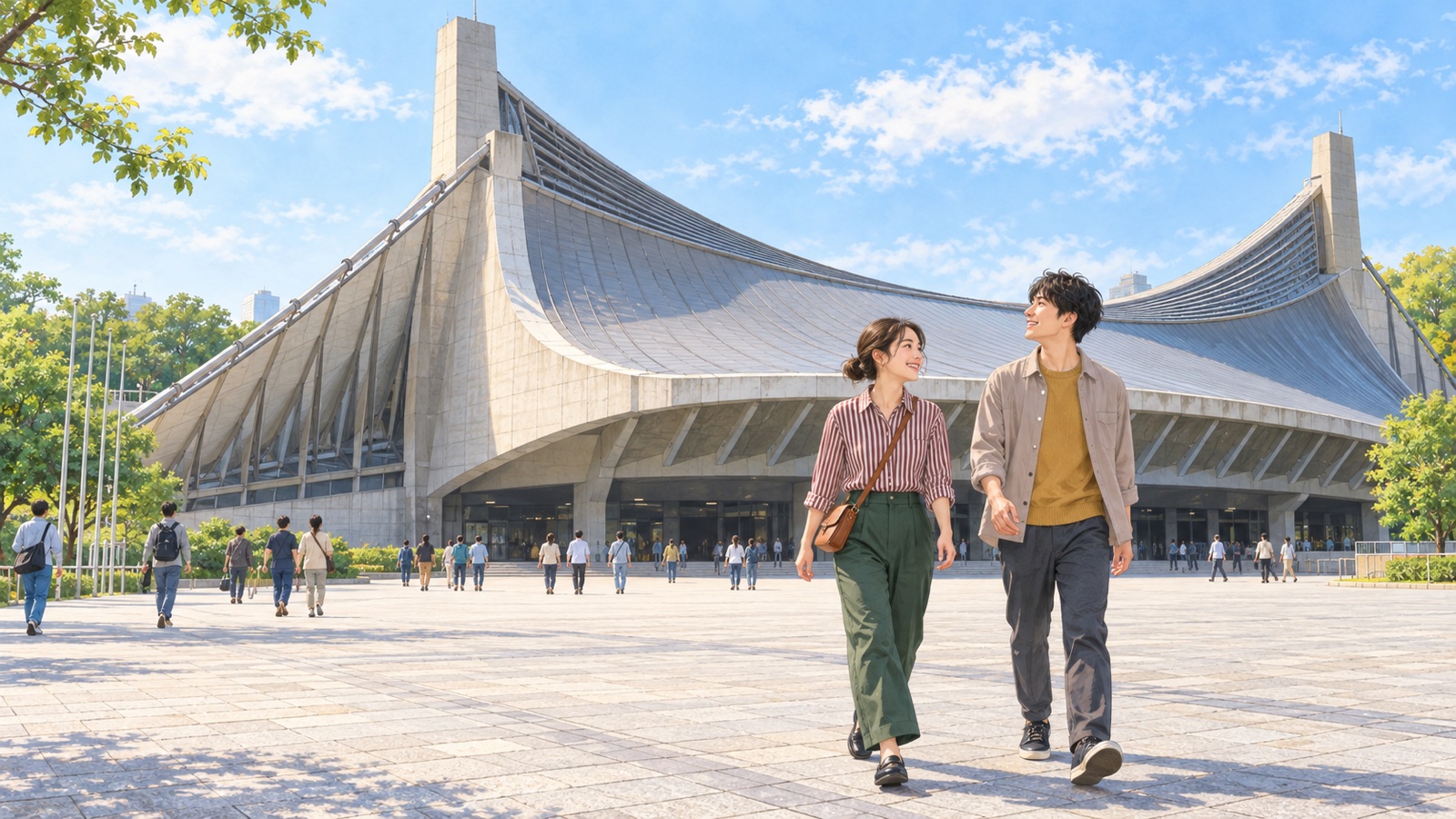
Facing the Second Gymnasium, the First Gymnasium is the main building of the complex. Two main pillars are connected by two main suspension cables, from which the roof is hung. It has a maximum capacity of 12,934 seats and hosted swimming at the 1964 Olympics. Handball was held here at the Tokyo Olympics in 2021, and both buildings were designated Important Cultural Properties of Japan that same year.
On September 22, 2016, the men's professional B.League opened at this gymnasium. It unified men's basketball, which had previously been split between two leagues. The opening game featured Alvark Tokyo, the previous year's NBL champions, against the Ryukyu Golden Kings. The matchup was dubbed “underdog Kings vs. elite Alvark,” and the court used the world's first full-surface LED system. Attendance was 9,132.
The game got underway after 20 seconds with a shot by Troy Gillenwater, Alvark Tokyo's power forward. The lead briefly grew to 16–4, but in the second quarter Ryukyu small forward Kitagawa hit a shot to take the lead, 27–26. When Ryukyu closed to within five points late in the game, Alvark Tokyo's Daiki Tanaka made a three-pointer. Ryukyu pulled within three, but Alvark Tokyo held on to win 80–75. Alvark Tokyo also won the second game the following day, 74–53.
The 100th Emperor's Cup Final was held here on March 15, 2025. Ryukyu, which had lost the previous two finals, beat Alvark Tokyo 60–49 to become the first team from Okinawa Prefecture to win the cup. Even on days without a game, visitors can view the suspended roof from the promenade.
- Location
- 2-1-1 Jinnan, Shibuya, Tokyo
- Connection to basketball
- Venue for the B.League opening game on September 22, 2016, and the 100th Emperor's Cup Final on March 15, 2025
- Seating capacity
- Up to 12,934
- Visiting
- The exterior of the suspended roof can be viewed from the promenade even on non-game days
Sources: Japan Sport Council — First Gymnasium / B.LEAGUE — History of the B.League / Daily Sports — B.League opening game / Ryukyu Golden Kings — B.PREMIER opening game and 2016 opening game / Ryukyu Golden Kings — Ten years facing Alvark Tokyo
3Tokyo Metropolitan Gymnasium | The Winter Cup at year’s end and basketball at the 1958 Asian Games
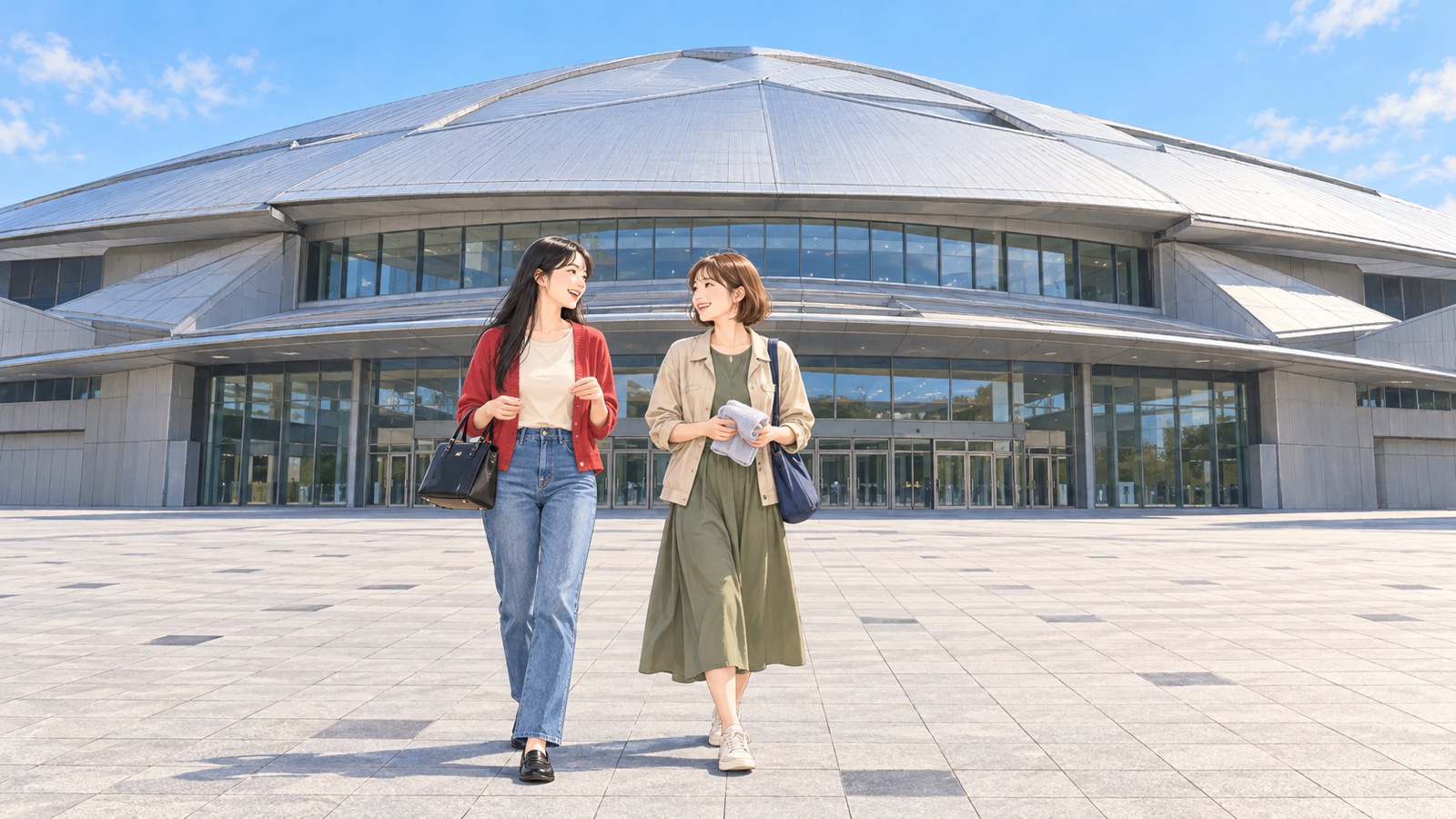
Tokyo Metropolitan Gymnasium at 1-17-1 Sendagaya, Shibuya, Tokyo, is right in front of Sendagaya Station on the JR Sobu Line and Kokuritsu-Kyogijo Station on the Toei Oedo Line. The first gymnasium began construction in October 1953 and was completed in 1956. It hosted basketball at the 1958 Third Asian Games and gymnastics and water polo at the 1964 Tokyo Olympics.
The current building underwent a complete renovation beginning in December 1986 and was completed in February 1990. The main arena floor covers 3,220 square meters and can accommodate four regulation basketball courts. It has a maximum seating capacity of 9,308. In October 2013, it also hosted basketball and wheelchair basketball at the National Sports Festival for People with Disabilities.
Every December, high school students gather at Tokyo Metropolitan Gymnasium for the All-Japan High School Basketball Championship, known as the Winter Cup. The Japan Basketball Association organizes it, with the All Japan High School Athletic Federation as co-host. At the 78th tournament in 2025, Fukuoka University Ohori won its second straight men's title, beating Higashiyama in the final, while Osaka Kun-ei Girls' High School won its first women's title. On the first floor, ENEOS, a sponsor since 1996, sets up an activity booth where visitors can learn about next-generation energy while taking shots.
The 79th tournament in 2026 runs for seven days, from Wednesday, December 23, to Tuesday, December 29. Games will be held at Tokyo Metropolitan Gymnasium and Keio Arena TOKYO in Chofu. A total of 120 teams—60 each for boys and girls—will compete after winning their prefectural qualifiers. The boys' champion from the summer Inter-High, Fukuoka University Ohori, will aim to win both summer and winter titles and a third straight national championship. On the girls' side, summer champion Kyoto Seika Gakuen and defending champion Osaka Kun-ei Girls' High School are among the leading teams.
- Location
- 1-17-1 Sendagaya, Shibuya, Tokyo
- Connection to basketball
- Main venue for the All-Japan High School Basketball Championship, the Winter Cup
- Nearest stations
- Right in front of Sendagaya Station on the JR Sobu Line and Kokuritsu-Kyogijo Station on the Toei Oedo Line
- 2026 dates
- The 79th tournament runs from December 23 to 29, 2026
Sources: Tokyo Metropolitan Gymnasium — History / Tokyo Metropolitan Gymnasium — Main Arena / Tokyo Metropolitan Gymnasium — Access / Japan Basketball Association — Winter Cup 2025 special site (archive) / ENEOS Holdings — Winter Cup 2025 sponsorship / Monthly Basketball Web — Winter Cup 2026 special page
4TOYOTA ARENA TOKYO | An Odaiba arena where B.PREMIER opened on September 22, 2026
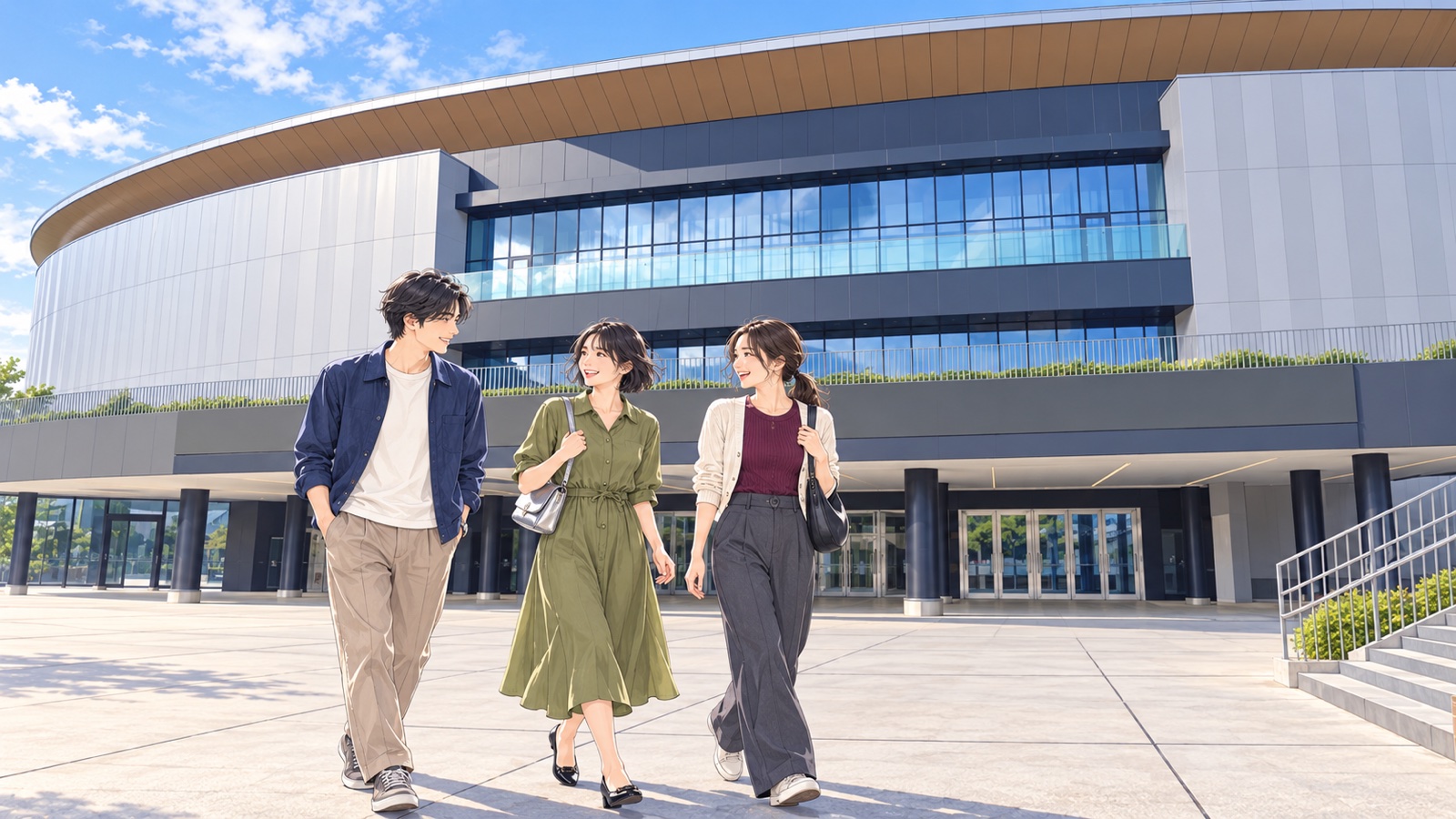
TOYOTA ARENA TOKYO at 1-3-1 Aomi, Koto, Tokyo, opened in the Odaiba area in fall 2025 as the home of Alvark Tokyo. Starting with the 2026–27 season, Sunrockers Shibuya will also use it as a home arena. The October 25 matchup is against the Nagoya Diamond Dolphins. It is a four-minute walk from Aomi Station on the Yurikamome Line and five minutes from Tokyo Teleport Station on the Rinkai Line.
On September 22, 2026, the opening game of B.PREMIER, the new top division of the B.League, was held here. The matchup was the same as the league's opening game ten years earlier: Alvark Tokyo vs. Ryukyu. Ryukyu's Yoshiyuki Matsuwaki made a three-pointer just before halftime, giving his team a 51–50 lead at the break. But turnovers mounted in the third quarter, and Ryukyu lost 84–73. The following day, September 23, Ryukyu won the second game 85–74 for its first B.PREMIER victory.
The main arena's seating is arranged so fans can face the court from every direction. All 10,000 seats are upholstered in leather. It is the first arena in Japan to have two levels of ribbon displays. The upper display is two meters tall and can even show a full-size car.
The outdoor adidas SPORTS PARK is open for visits on non-event days. It has a full-size court designed by artist MHAK, with two regular hoops and two mini-basketball hoops. Anyone can use it free when no event is scheduled, but balls and shoes are not available to borrow. Some of the surface reuses material from discarded shoes. Behind-the-scenes arena tours are also offered; tickets for the Sustainability edition on October 23, 2026, are on sale first-come, first-served until noon on October 20.
- Location
- 1-3-1 Aomi, Koto, Tokyo
- Connection to basketball
- Home of Alvark Tokyo and venue for the B.PREMIER opening game on September 22, 2026
- Nearest stations
- Four-minute walk from Aomi Station on the Yurikamome Line; five minutes from Tokyo Teleport Station on the Rinkai Line
- Outdoor facilities
- Includes the adidas SPORTS PARK court, free to use on days without events
Sources: Official sources and venue information
5Yokohama Arena | Ryukyu wins its first title, and Nagasaki becomes the final B1 champion
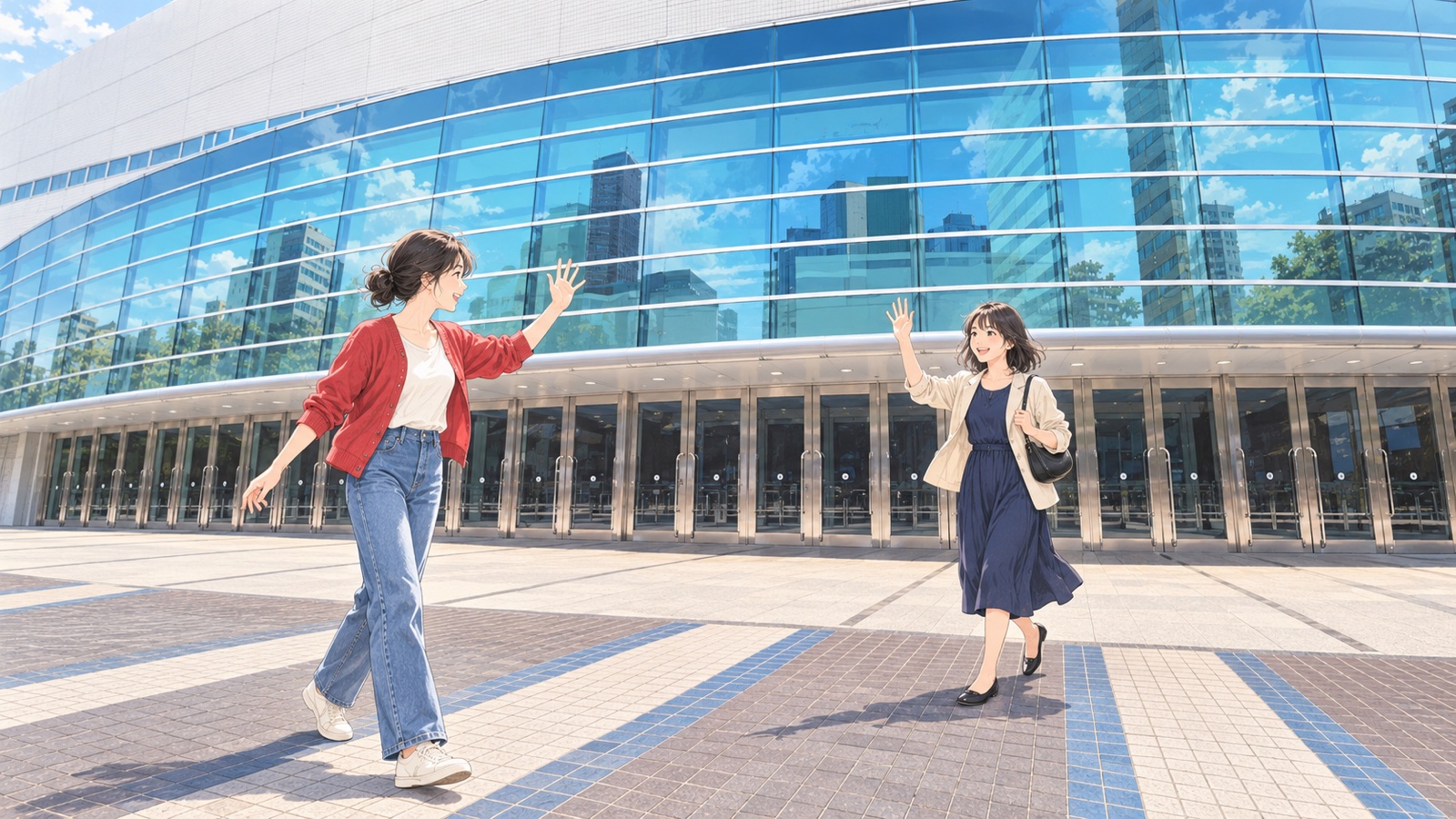
Yokohama Arena at 3-10 Shin-Yokohama, Kohoku Ward, Yokohama, was built as one of the city's centennial projects in 1989. The elliptical arena is 114 meters long and 78 meters wide, with a maximum capacity of 17,000. It is a four- to five-minute walk from Shin-Yokohama Station, and there is no visitor parking.
The B.League Finals were held here in 2023 and 2026. In Game 1 on May 27, 2023, West Division champion Ryukyu faced East Division champion Chiba Jets Funabashi. The game went to the first double overtime in Finals history, and Ryukyu took the opener 96–93. Ryukyu won Game 2 the next day, 88–73, to claim its first B.League championship. Chiba had won 24 straight games that season and was even called the “strongest team ever.”
The May 2026 Finals decided the last B1 champion before B.PREMIER began. Ryukyu, making its fifth consecutive Finals appearance, faced Nagasaki Velca, which had reached the Championship for the first time in its fifth year since founding. Ryukyu took Game 1, 71–69, but Nagasaki answered with a 66–60 win in Game 2 and clinched Game 3 on May 26, 72–64. Five years after entering B3 and three years after promotion to B1, Nagasaki rose to the top of the 26-club league.
- Location
- 3-10 Shin-Yokohama, Kohoku Ward, Yokohama, Kanagawa
- Connection to basketball
- Venue for the B.League Finals in 2023 and 2026
- Nearest station
- A four- to five-minute walk from Shin-Yokohama Station
- Capacity
- Up to 17,000; no visitor parking
Sources: Yokohama Arena — History and construction overview / Yokohama Arena — Access / Ryukyu Shimpo — 2023 Finals, Game 1 / SPREAD — Ryukyu's first championship / B.MAGAZINE (distributed by livedoor News) — B1 Championship Finals preview / web Sportiva — Preview of the Nagasaki vs. Ryukyu Finals / Sportsnavi — Nagasaki Velca wins the B1 title
6JR Noshiro Station | A basketball hoop on the platform and manhole covers with a sea lion and ball
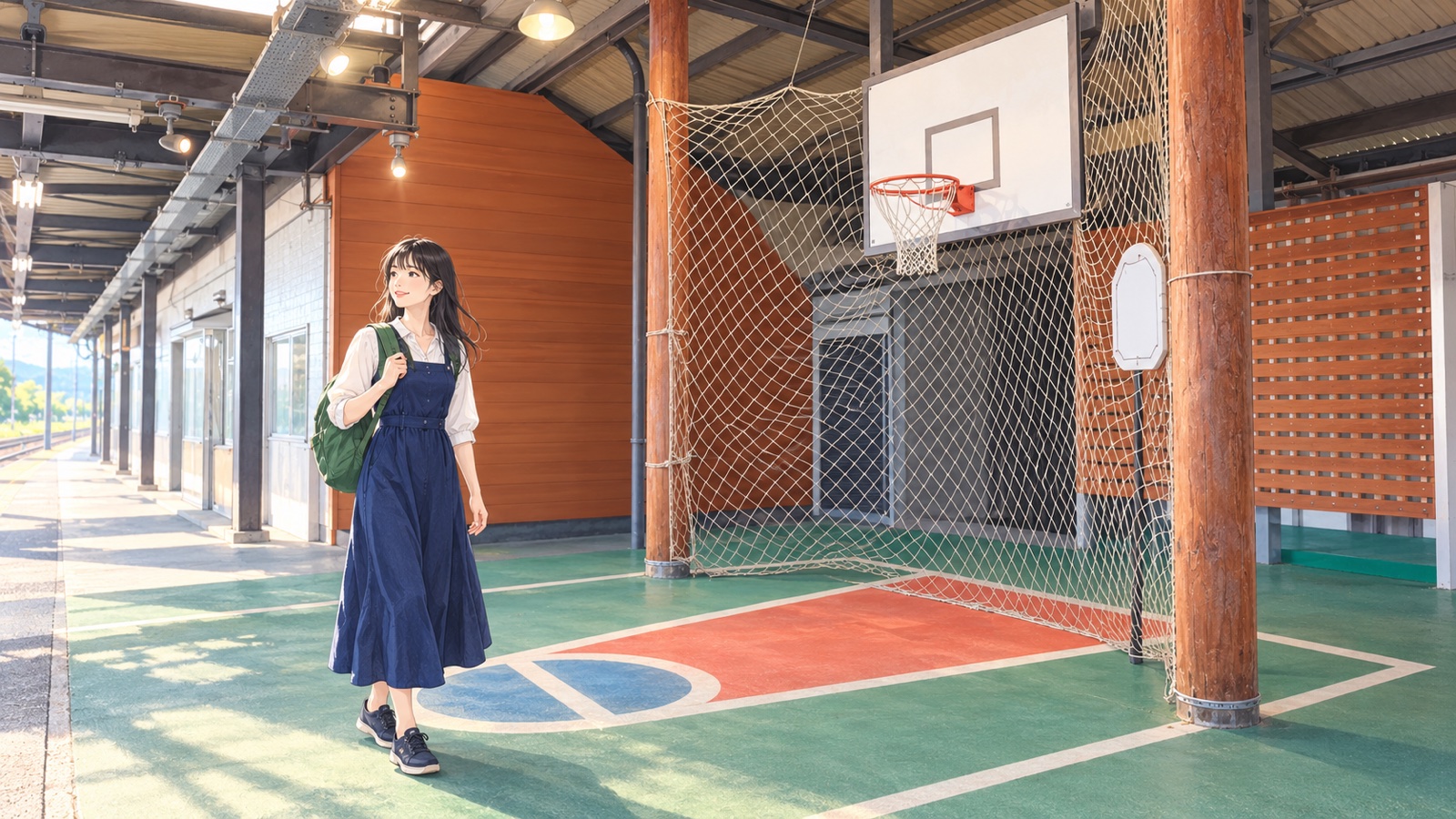
Noshiro Station in Noshiro, Akita, is a gateway to the city on the JR Gono Line. A basketball hoop is set up on the platform. Admission is free, and passengers on the Resort Shirakami sightseeing train can try shooting hoops. A mural of a basketball scene is also on the platform wall at nearby Higashi-Noshiro Station.
At the Noshiro Tourism Association inside the station, you can get souvenirs and travel information. It has a Noshiro Technical High School corner, commemorative stamps, and a photo-panel cutout of the school's basketball team. Hours are 9:00 a.m.–5:00 p.m.; it is closed over the New Year holidays.
Color manhole covers featuring a shachi lion and basketball from the summer festival Yaku Tanabata can be found in front of Noshiro Station and Plaza Miyako in Yanagimachi. Manhole cards are distributed at the Noshiro Basketball Museum, about a ten-minute walk from the station. Along the Akita Expressway on the way from Akita City to Noshiro, look for country signs decorated with basketball hoops.
- Location
- Noshiro Station on the JR Gono Line, Noshiro, Akita
- Connection to basketball
- Basketball hoop on the platform; Noshiro Technical High School corner and commemorative stamps inside the station
- Tourism information center hours
- 9:00 a.m.–5:00 p.m.; closed over the New Year holidays
- Nearby highlights
- Color manhole covers with a shachi lion and basketball near the station; about a ten-minute walk to the Noshiro Basketball Museum
Sources: Noshiro City — Scenes from basketball town Noshiro (map) / Noshiro Basketball Museum — Visitor information and access / Noshiro Basketball Museum — Manhole cards
7Noshiro Basketball Museum | Coach Hiroshi Kato’s personal items and Monthly Basketball, from its 1973 first issue
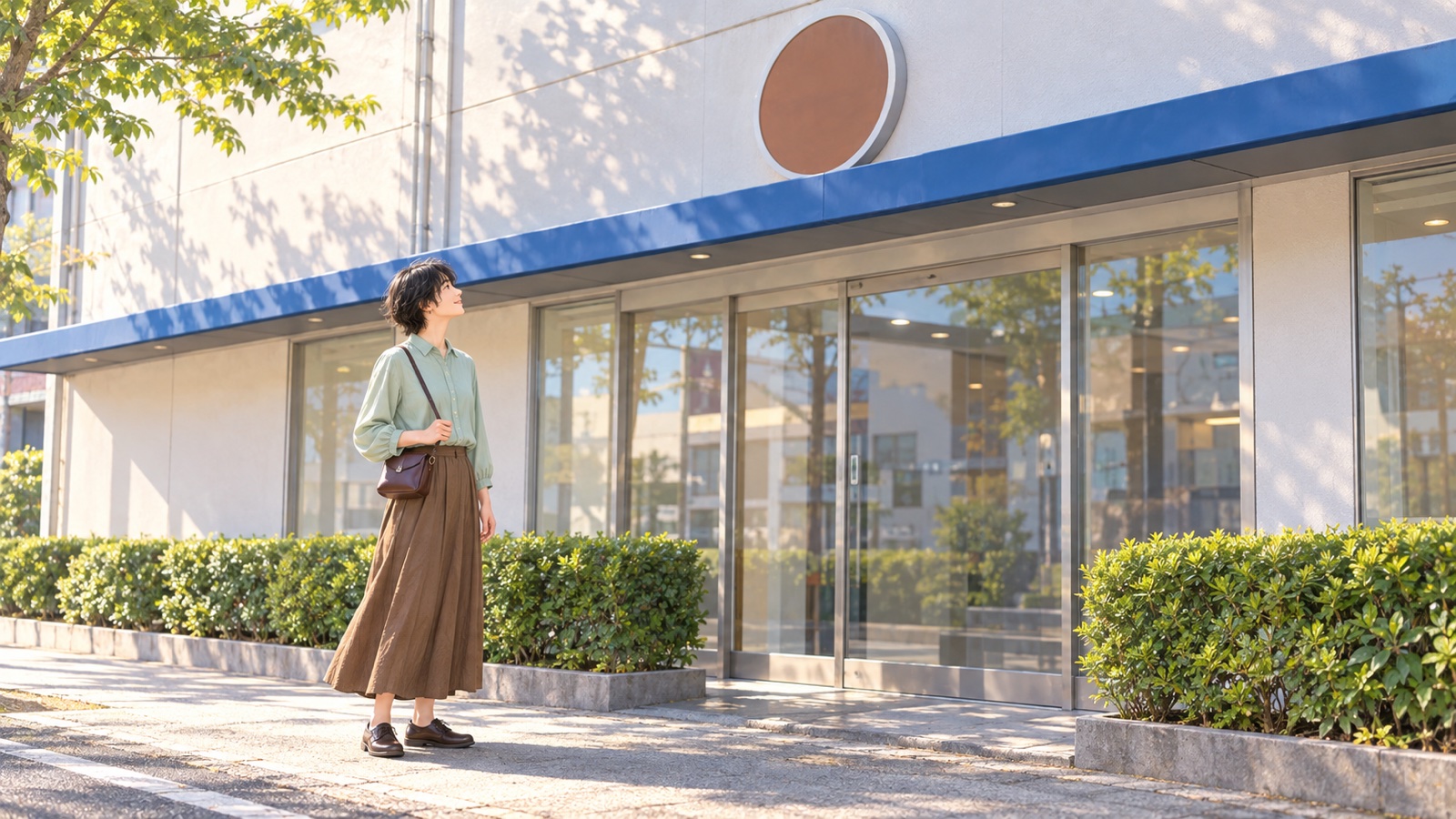
The Noshiro Basketball Museum at 5-20 Yanagimachi is a basketball-focused museum run by Noshiro City. It opened in May 2012 and moved to its current location in the Yanagimachi shopping district in June 2020. The collection includes basketball-related documents, books, and merchandise. Admission is free. Hours are 9:30 a.m.–6:00 p.m.; it is closed over the New Year holidays.
There is no set route through the museum; visitors can explore its themed sections in any order. The display on coach Hiroshi Kato, who led Noshiro Technical from 1960 to 1990, includes albums and a pen case donated by his family. The Noshiro Technical section has uniforms, trophies, and footage of past games. Visitors can try on an actual “Noshiro Technical High School” uniform worn by a team member and take a commemorative photo.
The same section includes an exhibit on alumnus Yuta Tabuse, the first Japanese player in the NBA, and profiles of the current team. Exhibits on Akita teams cover the B.League's Akita Northern Happinets, the W League's Aranmare Akita, and JR East Akita Peckers, a formidable corporate team that has won the national title several times. The NBA section displays a signed uniform Yuta Watanabe wore at George Washington University.
The magazine, books, and comics section has shelves of basketball reading that visitors can browse. The collection includes Monthly Basketball from its first issue in 1973 through the latest, plenty of Slam Dunk-related books and art collections by Takehiko Inoue, and programs from various tournaments.
When the city made its plan, the museum had 4,057 visitors a year. After the film THE FIRST SLAM DUNK opened in winter 2022, more visitors came from outside the prefecture and overseas. In fiscal 2023, attendance reached a record 15,547 by the end of February 2024. Sannoh Technical High School, the Akita team in the film, is said to be modeled on Noshiro Technical.
The city-published map Scenes from Basketball Town Noshiro marks basketball-related sights around town. A large fan sign featuring Yuta Tabuse, Wakatsuki, and Kikuchi—who won the high school triple crown for three consecutive years beginning in fiscal 1996—also remains on display.
The corner directly opposite the entrance is used for special exhibitions. In 2026, it hosted an exhibition supporting Noshiro Science and Technology High School at the Inter-High from July 12 to August 30. The museum closed for repairs from September 17 to 27 and held an outreach exhibit at AEON Town Noshiro. Since October 10, a U12 exhibition has highlighted teams in the fall mini-basketball tournament for Noshiro and Yamamoto District. Parking is available, for example, at Noshiro City Hall, a two-minute walk away.
- Location
- 5-20 Yanagimachi, Noshiro, Akita
- Connection to basketball
- Exhibits include coach Hiroshi Kato's personal items, Noshiro Technical uniforms, and Monthly Basketball issues from its first edition
- Hours and closures
- 9:30 a.m.–6:00 p.m.; closed over the New Year holidays
- Admission and parking
- Free admission; parking is available at Noshiro City Hall, about a two-minute walk away
Sources: Official sources and venue information
8NODEN Arena (Noshiro City Gymnasium) | The May Noshiro Cup and a Takehiko Inoue autograph
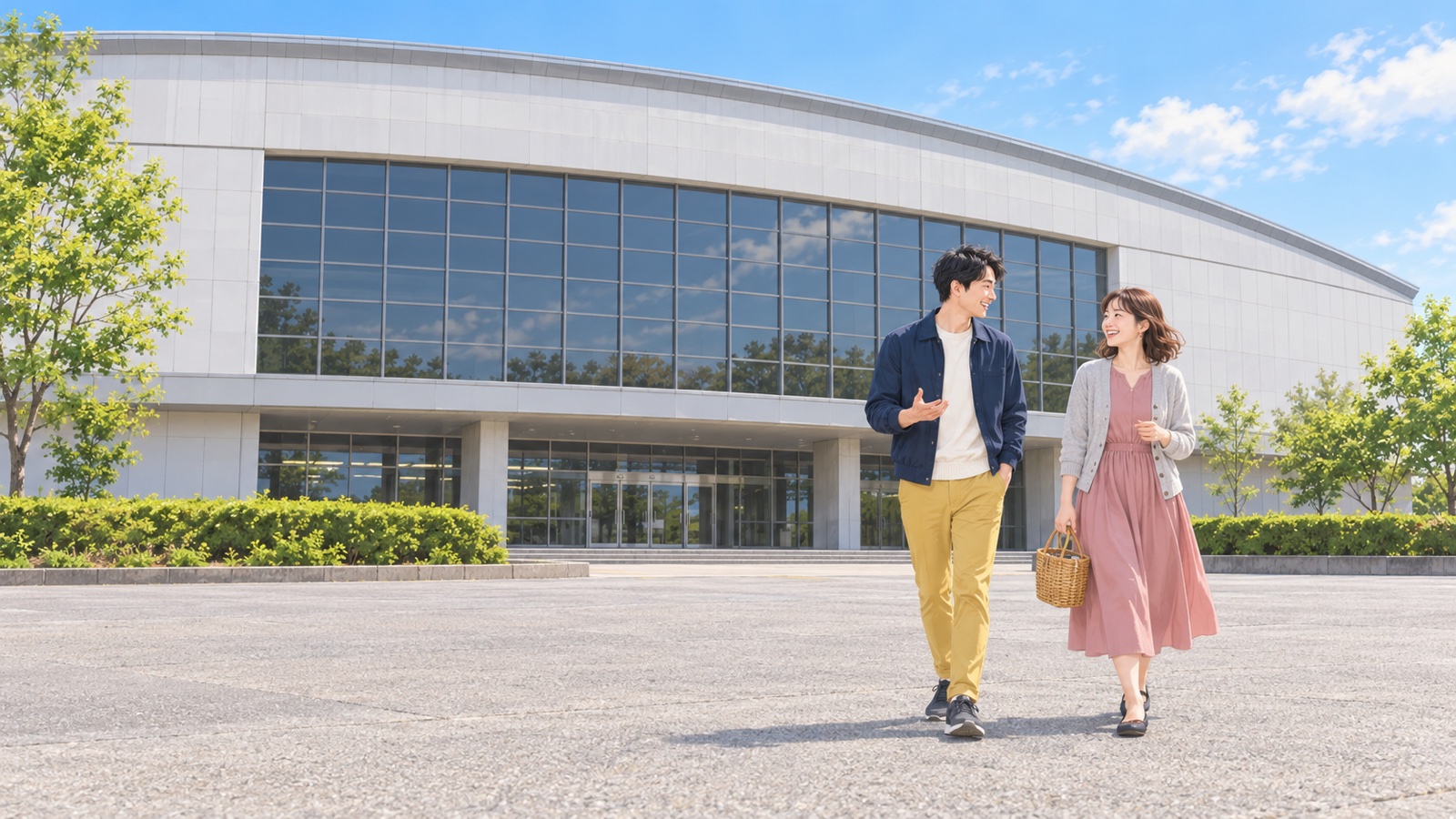
NODEN Arena at 9-53 Omachi, Noshiro, is Noshiro City Gymnasium, built in October 1993. Its 38-by-49-meter main floor can hold two basketball courts, and the auxiliary gym also has hoops. Inside are posters from past Noshiro Cups and autographs from Noshiro Technical alumni, including one by Takehiko Inoue, creator of Slam Dunk.
The Noshiro Cup is an invitational high school tournament held each year from May 3 to 5 by the Noshiro City Basketball Association and others. Top teams from across Japan are invited to compete in a league with six boys' teams, including local Noshiro Science and Technology High School. It is sometimes called the “fourth national tournament,” after the Inter-High, National Sports Festival, and Winter Cup.
Five schools—Fukuoka Daiichi, Higashiyama, Sakuragaoka, Kaishi Kokusai, and Komazawa University Tomakomai—were invited to the 39th tournament in 2026. Fukuoka Daiichi, making its first appearance, is the alma mater of Yuki Kawamura. Coach Takashi Ideguchi of Fukuoka Daiichi said, “When you talk about basketball, you talk about Noshiro.” Noshiro Science and Technology lost all five games, but put up close contests, including 78–79 against Komazawa Tomakomai and 79–85 against Fukuoka Daiichi.
Admission was ¥1,500 per day for high school students and adults and ¥1,000 per day for elementary and junior high school students; only same-day tickets were sold. Indoor shoes are required for the first-floor seating area. Four schools competed in the girls' division: Tokai University Yamagata, Hachinohe Gakuin Kosei, Noshiro, and Noshiro Shoyo. From August 9 to 11, the university-team Summer League in Noshiro was held at NODEN Arena and Noshiro Yamamoto Sports Resort Center Arinas; admission was free.
- Location
- 9-53 Omachi, Noshiro, Akita
- Connection to basketball
- Venue for the Noshiro Cup held every May 3–5; displays autographs from Takehiko Inoue and posters from past tournaments
- Facilities
- Main floor is 38 by 49 meters and fits two courts; indoor shoes are required for the first-floor seating area
Sources: Noshiro City — Noshiro Cup High School Basketball Tournament / Noshiro City — 39th Noshiro Cup schedule / Noshiro City — Noshiro Science and Technology High School information, FY2026 / Noshiro City Sports Association — NODEN Arena / Noshiro City — Scenes from basketball town Noshiro / Akita Sakigake Shimpo — Hokutosei (July 26) / Noshiro Basketball Museum — Summer League in Noshiro announcement
9Noshiro Science and Technology High School Gymnasium | The Statue of Glory and a view of the former Noshiro Technical’s practice from the stands
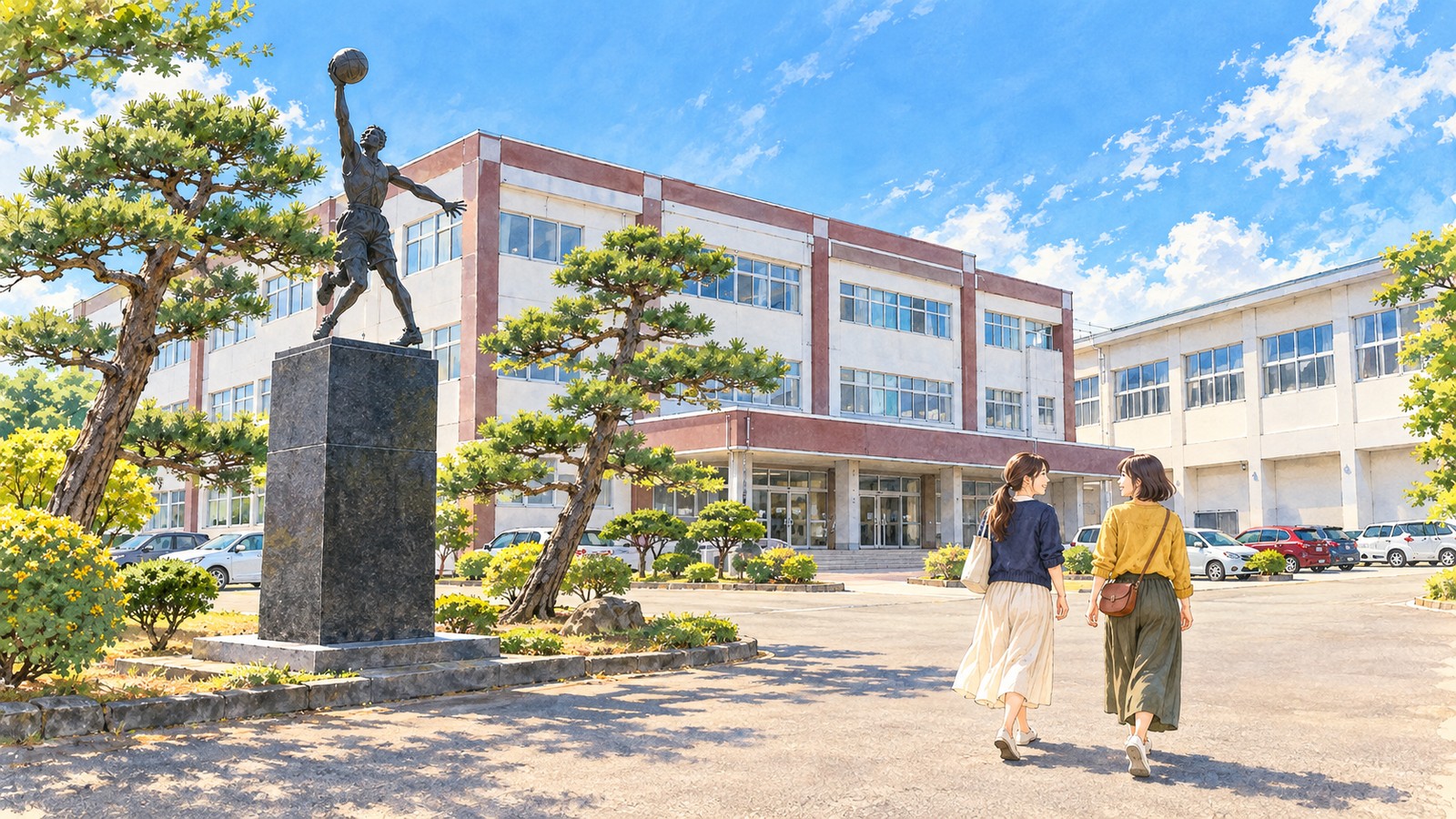
Noshiro Technical High School merged with Noshiro West High School in April 2021 to become Akita Prefectural Noshiro Science and Technology High School. After passing through the gate at 3-1 Banya-machi, Noshiro, visitors are greeted by the Statue of Glory, erected to commemorate 30 national championships. The statue is modeled on alumnus Yuji Miura.
Regular practices and scrimmages held in the school gym are open to visitors. Practice hours are 4:00–6:30 p.m. on weekdays and 9:00–11:30 a.m. and 2:00–4:30 p.m. on weekends. Change into the school's slippers at the gym entrance and watch from the second-floor stands. Photography and video recording are prohibited, and visits may not be available on some days, such as before tournaments. Visitors cannot attend during class hours and should not call the school with questions about visits.
According to the school's official page, the 2025 coaching staff included head coach Hajime Komatsu and coaches Satoshi Hasegawa and Takahiro Enda. Hasegawa was one of the players on Noshiro Technical's 1980 triple-crown team. Noshiro Technical built its reputation on motion offense and fast breaks out of a full-court zone press.
In fiscal 2026, the team won its 60th Akita Prefectural High School Sports Tournament title in June, its second in a row, and placed third in the Tohoku tournament. At the Inter-High, it beat Takaoka Daiichi 93–77 in the first round but lost to Chubu University Daiichi in the second. At the first National Public High School Tournament in August, it reached the final and finished runner-up to Okayama Technical. Akita's representative for Winter Cup 2026 will be decided in the prefectural final at Masuda Gymnasium in Yokote on October 25.
- Location
- 3-1 Banya-machi, Noshiro, Akita
- Connection to basketball
- A merged school carrying on the legacy of Noshiro Technical; the gate features the Statue of Glory honoring 30 national championships
- Practice viewing
- Free viewing from the second-floor gym stands: weekdays 4:00–6:30 p.m.; weekends 9:00–11:30 a.m. and 2:00–4:30 p.m.
- Please note
- Photography and video are prohibited; do not call the school with questions
Sources: Noshiro Basketball Museum — Visiting the Noshiro Science and Technology High School basketball team / Noshiro Science and Technology High School — Basketball team / Noshiro City — Scenes from basketball town Noshiro / Noshiro Basketball Museum — History of the Noshiro Technical High School basketball team / Noshiro City — Noshiro Science and Technology High School information, FY2026 / Monthly Basketball Web — Winter Cup 2026 prefectural qualifier schedule
10Okinawa Sun Arena | The World Cup venue where Japan qualified for the Olympics on its own for the first time in 48 years
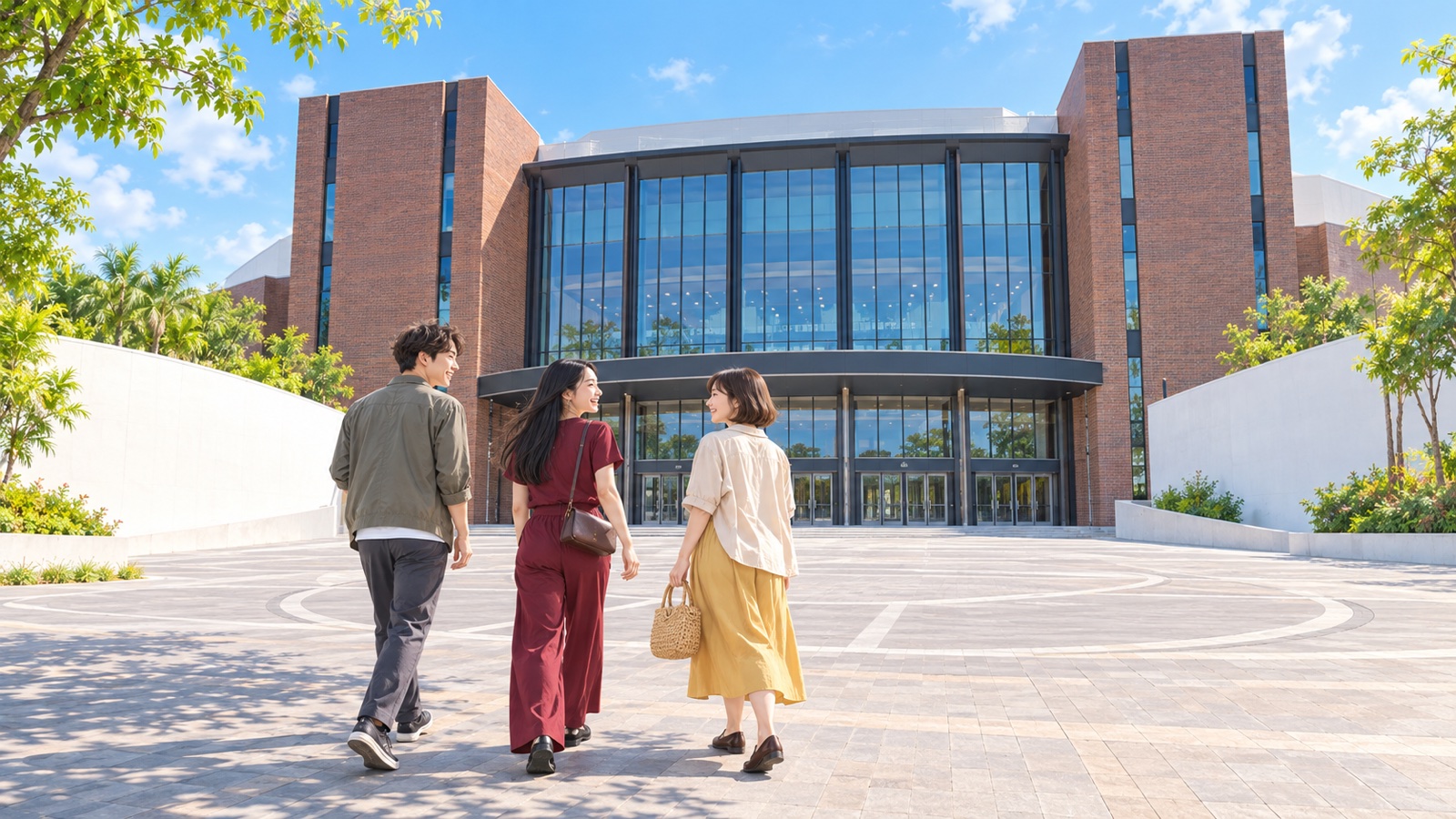
Okinawa Sun Arena (Okinawa Arena), at 1-16-1 Yamauchi, Okinawa City, Okinawa, is the home of the Ryukyu Golden Kings. Developed by Okinawa City as an arena to “create the future and revitalize the community,” it was completed on February 26, 2021. Following its opening ceremony on March 28, the Kings' Our First Games became the first event on April 11.
The first home games had initially been scheduled for April 10 and 11 against Mikawa. They were canceled after a Mikawa player tested positive for COVID-19. The replacement event drew about 3,500 people for local mini-basketball games, a three-point contest featuring players, and an intrasquad game. Guard Ryuichi Kishimoto won the three-point contest, and the intrasquad game ended in a 48–48 tie.
The bowl-shaped seating holds about 8,500 for basketball games and about 10,000 for concerts with a center stage. Suspended from the ceiling is a 510-inch “Mega Vision,” whose longest side measures 11 meters. The arena also permanently offers 4D Replay, which uses 60 4K cameras to replay key moments from multiple angles.
In Game 2 of the B.League Championship semifinals on May 21, 2023, the Kings beat the Yokohama B-Corsairs before a crowd of 8,619 to advance to the Finals. Kishimoto's three-pointer in the fourth quarter helped shift the momentum. That summer, the arena hosted Japan games at the FIBA Basketball World Cup 2023. After beating Cape Verde on September 2, Japan earned a place at the Paris Olympics as the top team in Asia.
The arena reached one million visitors on December 29, 2023; about 570,000 of them were spectators at Kings home games. Cumulative attendance surpassed two million on November 9, 2025. On non-event days, arena tours are held two to four days a month in partnership with the Okinawa City Tourism and Products Association. Tours run twice a day, at 10:00 a.m. and 1:00 p.m., and require advance reservations. The basic plan for groups of five to nine costs ¥2,500 for adults and ¥1,250 for children ages 3 through high school. By car, it is about a minute from the Okinawa South Interchange on the Okinawa Expressway.
- Location
- 1-16-1 Yamauchi, Okinawa City, Okinawa
- Connection to basketball
- Home of the Ryukyu Golden Kings and Japan venue for the FIBA World Cup 2023
- Access
- About a one-minute drive from Okinawa South Interchange on the Okinawa Expressway
- Arena tours
- Held two to four days a month on non-event days, twice daily at 10:00 a.m. and 1:00 p.m.; advance reservations required
Sources: Official sources and venue information
Learn more about basketball destinations | Noshiro Technical’s national titles and great games in the national team and B.League
Three settings connect these ten destinations: high school basketball, the B.League, and the Japan national team. The history of the coaches and players who built Noshiro Technical, the national team that secured an Olympic berth in Okinawa, and two clubs that have faced off in major games for a decade all come together here.
Coaches and players connected to these basketball landmarks
Hiroshi Kato
He took over Noshiro Technical in 1960 and led the team until stepping down in 1990. During his tenure, the team won 33 national titles, using motion offense and fast breaks out of a full-court zone press. The Noshiro Basketball Museum has a dedicated section about him.
Yuta Tabuse
As a guard at Noshiro Technical, he won the Inter-High, National Sports Festival, and Winter Cup triple crown for three consecutive years, from 1996 to 1998. In November 2004, he signed with the Phoenix Suns and became the first Japanese player on an NBA roster.
Ryuichi Kishimoto
A guard for the Ryukyu Golden Kings, he played in the 2016 B.League opening game and won the three-point contest at the first event at Okinawa Arena. He also made a three-pointer in the 2023 Championship semifinals.
Keisei Tominaga
A shooter for Japan at the 2023 World Cup, he scored 22 points, including six three-pointers, against Cape Verde at Okinawa Arena.
Josh Hawkinson
A big man on Japan's national team, he recorded 29 points and seven rebounds against Cape Verde. He scored the team's final six points to seal the win.
Yuki Kawamura
The Japan guard scored 14 points against Cape Verde. His three-pointer in the second quarter helped bring Japan back into the lead. His alma mater, Fukuoka Daiichi, made its first appearance at the Noshiro Cup in 2026.
Tom Hovasse
Head coach of Japan at the 2023 World Cup, he led the team to its first winning record at the tournament after Japan went 0–5 in 2019.
Sources: Noshiro Basketball Museum — History of the Noshiro Technical High School basketball team / Noshiro Basketball Museum — Enjoy the museum / Noshiro Science and Technology High School — Basketball team / Noshiro City — Go, Yuta Tabuse! / Daily Sports — B.League opening game / FIBA — Game report, Japan vs. Cape Verde / Ryukyu Shimpo — Japan secures a place at the Paris Olympics
From the 1967 Saitama National Sports Festival to the 2007 Akita Wakasugi National Sports Festival: Noshiro Technical’s 58 national titles
Founded in 1933, the Noshiro Technical basketball team won its first national title at the 1967 Saitama National Sports Festival. In fiscal 1970, it won the Inter-High for the first time in Wakayama; in fiscal 1974, it won the fourth National High School Invitational, the forerunner of the Winter Cup. In fiscal 1975, it swept the Inter-High, National Sports Festival, and Invitational to become the first school to win the triple crown.
The team won the triple crown nine times in total. From fiscal 1996 to 1998, when Yuta Tabuse played there, it won the triple crown three years in a row, earning the name “nine-time high school champion.” It also won the Inter-High seven consecutive times from fiscal 1979 through 1985. Its 58th national title came at the 2007 Akita Wakasugi National Sports Festival, held in its home prefecture. The total comprises 22 Inter-High titles, 16 National Sports Festival titles, and 20 Winter Cup titles.
The last national tournament the team entered as Noshiro Technical was the 2020 Winter Cup. The Inter-High and National Sports Festival had been canceled that year, leaving the winter tournament as its final stage. Under head coach Shuji Ono, then in his third year, the team had regained the strength to contend for a national title. No. 8, worn by past ace guards including Tabuse, had been passed to the small guard Hayato Oishi. In its first game, Noshiro led a strong Kyushu team by 12 points at the end of the third quarter, but was overtaken in the final two minutes and lost. The team's motto is “Always win; never lose.”
Sources: Noshiro City — Noshiro Technical basketball team's path to glory / Noshiro Science and Technology High School — Basketball team / Noshiro Basketball Museum — History of the Noshiro Technical High School basketball team / TV Tokyo Sports — The day the name Noshiro Technical disappeared
September 2, 2023 | Japan secures a place at the Paris Olympics against Cape Verde at Okinawa Arena
The FIBA Basketball World Cup 2023 was co-hosted by Japan, the Philippines, and Indonesia. Okinawa Arena was a venue in Japan, and the September 2 game against Cape Verde was Japan's final match in the classification round. Before tipoff, Japan had a 2–2 record.
Japan fell behind by as many as eight points in the first quarter. Early in the second, Hawkinson and Kawamura hit three-pointers to take the lead. Tominaga made all six of his shots in the first half and scored 16 points. Japan stretched its lead to 20 at one point and entered the fourth quarter ahead 73–55.
Cape Verde then scored 13 straight points and closed to 74–71 with 1:12 remaining. With 49.9 seconds left, Hawkinson made a shot while drawing a foul, restoring a six-point lead. With under 20 seconds left, he added a three-pointer from the corner, and Japan finished with an 80–71 win. The team went 3–2, its first winning record at a World Cup.
Apart from qualifying as a host, Japan had not secured an Olympic berth on its own since the 1976 Montreal Games—a 48-year gap. The arena was filled with 7,374 people, and large crowds also gathered at the fan zone in Okuyama Park in Naha and public viewings in Okinawa City and Chatan. After the game, head coach Tom Hovasse said the team had shown the world what it could do.
Sources: FIBA — Game report, Japan vs. Cape Verde / Ryukyu Shimpo — Japan secures a place at the Paris Olympics / Okinawa Arena — One million visitors reached
Ten years of opening games between Ryukyu and Alvark Tokyo, from 2016 to 2026
In November 2018, Ryukyu won twice against Alvark Tokyo in Tokyo, where it had lost twice in the 2016 opening series. In Game 2, Ryukyu was tied with under three minutes left, but Kishimoto hit consecutive three-pointers to win 75–69. In that season's Championship semifinals, Ryukyu lost to Alvark after the series went to Game 3 at Okinawa City Gymnasium. Alvark went on to win the Finals and its second straight B.League title.
The opening series of the 2021–22 season was played at the new Okinawa Arena. Ryukyu came from behind in both games, trailing until partway through the fourth quarter, and won twice. In the 2023–24 Championship quarterfinals, the team won two one-point games: 81–80 in Game 1 after double overtime and 58–57 in Game 3.
After its first Emperor's Cup title in March 2025, Ryukyu faced Alvark Tokyo again in the third-place game of EASL FINALS MACAU 2026 on March 22, 2026. Ryukyu's Ryo Sadohara hit a go-ahead shot with seven seconds left to win 77–76. Then, in September 2026, the teams opened B.PREMIER with the same matchup and split the first two games, 1–1.
Sources: Ryukyu Golden Kings — Ten years later, the start of a new era / Ryukyu Golden Kings — Two days of the B.PREMIER opening
Venue design and community planning | Tange’s suspended roofs, arenas designed for spectators, and Noshiro City’s development plan
This section looks in turn at Kenzo Tange's design for Yoyogi, the arena concepts in Okinawa and Odaiba, and Noshiro City's citywide plans.
Kenzo Tange’s suspended roof, built in 19 months starting in 1963, and artworks inside
Construction of Yoyogi National Gymnasium began on February 1, 1963, and was completed on August 31, 1964. The Japan Sport Council describes it as the world's first semi-rigid suspension roof structure. Along with the upturned roof, latticework, and tomoe-shaped layout, the raised roof section and main cables shape the building's exterior.
On May 21, 2021, the Council for Cultural Affairs recommended designating both buildings Important Cultural Properties. The Agency for Cultural Affairs recognized how the suspended structure supports the roof and seating while creating an interior space that rises at the center. The designation recognizes it as a leading work of postwar architecture, outstanding in both design and engineering. It was finalized in a government notice on August 2, making it the newest building, by completion year, among the Important Cultural Properties. Seismic upgrades were carried out from January 2018 through September 2019, and the venue resumed operations in November 2019.
Many artworks made to commemorate the 1964 Tokyo Olympics remain inside the gymnasium. In addition to works by Taro Okamoto, there are works by Yasuo Mizui, who received France's Order of Arts and Letters at the rank of Commandeur, and Seiji Shimizu, known for outdoor sculptures. Visitors can also see a work by Toko Shinoda, commissioned by Tange.
Sources: Japan Sport Council — History and artworks at Yoyogi National Gymnasium / Agency for Cultural Affairs — Recommendation to designate Important Cultural Properties / Japan Sport Council — Designation as an Important Cultural Property / Time Out Tokyo — Yoyogi Gymnasium becomes an Important Cultural Property
Okinawa and Odaiba arenas prioritize clear sightlines for spectators
Unlike many Japanese gymnasiums designed primarily for athletes' convenience, Okinawa Arena was built as a venue “for watching.” Funding included a Ministry of Defense grant for realignment promotion and a Cabinet Office grant for Okinawa promotion projects. Its lighting uses technology from Musco, installed at arenas overseas, and includes more than 30 moving lights. For sporting events, the lighting helps spectators follow players' movements, even from the last row.
TOYOTA ARENA TOKYO became the first arena in Japan to receive LEED GOLD, an international environmental-performance certification. Plans also call for collecting used clothing and towels from visitors at Alvark Tokyo home games and turning them into soil-improvement material for growing plants. On non-event days, JOINT PARK, with food trucks and more, is open to the public.
Sources: Ryukyu Shimpo — Okinawa Arena opening ceremony / Okinawa Sun Arena — Facility history / Okinawa Sun Arena — Vision and lighting / TOYOTA ARENA TOKYO — Arena tours / TOYOTA ARENA TOKYO — Park
Noshiro City’s “basketball town” initiative since fiscal 1989 and its development plan through 2027
Noshiro City began developing itself as a basketball town in fiscal 1989, after Noshiro Technical had won more than 30 national titles. In fiscal 2003, the city launched its New Basketball Town Noshiro Promotion Plan. The Noshiro City Basketball Town Development Plan, begun in fiscal 2012, led to the opening of the Noshiro Basketball Museum.
The current Second Noshiro City Basketball Town Development Plan covers five years, from fiscal 2023 through 2027. Its vision is “a town where everyone can thrive through basketball.” The plan calls for taking museum exhibits to popular venues in the city and digitizing videos and materials in its collection. It also includes installing, maintaining, and renewing hoops in parks, and guiding Noshiro Cup spectators to the museum and around the central shopping district.
To support local teams, Noshiro City and JA have delivered brown rice to players living away from their families in boarding houses. When teams compete in national tournaments, the city hosts public viewings. One indicator in the plan is annual museum attendance, with a goal of increasing it from 4,057 at the time the plan was drafted to 6,000. After the film was released, attendance in fiscal 2023 reached 15,547 by the end of February 2024, far exceeding the goal. The plan also aims to raise Noshiro Cup attendance from 6,286 in 2019 to 7,000.
Sources: Noshiro City — Second Basketball Town Development Plan / Noshiro City — Ninth Basketball Town Development Committee (museum attendance) / Noshiro Basketball Museum — Public viewing announcement
From the Noshiro Technical basketball team’s founding in 1933 to the 2026 Winter Cup
This timeline traces the history from the founding of the Noshiro Technical basketball team in 1933 and the 1964 Tokyo Olympics through the start of the B.League, the 2023 World Cup in Okinawa, and the new season and Winter Cup in 2026.
- 1933
Noshiro Technical High School basketball team is foundedHigh school - 1956
August Tokyo Metropolitan Gymnasium is completed (opens in October)Venue - 1958
May Basketball at the Third Asian Games is held at Tokyo Metropolitan GymnasiumInternational event - 1964
August 31 Construction of Yoyogi National Gymnasium is completedVenue - 1964
October Basketball at the Tokyo Olympics is held in the Second GymnasiumOlympics - 1964
December The All-Japan Intercollegiate Championship begins at the Second GymnasiumUniversity - 1967
Fiscal year Noshiro Technical wins its first national title at the Saitama National Sports FestivalHigh school - 1971
Fiscal year The first national high school invitational tournament, later the Winter Cup, is held in TokyoHigh school - 1975
Fiscal year Noshiro Technical becomes the first team to win the triple crownHigh school - 1989
Fiscal year Noshiro City begins developing itself as a basketball townCommunity - 1990
February The renovation of Tokyo Metropolitan Gymnasium is completedVenue - 1993
October Noshiro City Gymnasium (now NODEN Arena) is completedVenue - 1998
Fiscal year Noshiro Technical wins the triple crown with Yuta Tabuse and others for three straight years, earning nine high school titlesHigh school - 2007
Fiscal year Noshiro Technical wins its 58th national title at the Akita Wakasugi National Sports FestivalHigh school - 2012
May Noshiro Basketball Museum opensCommunity - 2016
September 22 The B.League opens at Yoyogi National Gymnasium First GymnasiumProfessional - 2021
April Noshiro Technical merges with Noshiro West to become Noshiro Science and Technology High SchoolHigh school - 2021
April 11 The first event at Okinawa Arena, Our First GamesVenue - 2021
August 2 Yoyogi National Gymnasium is designated an Important Cultural Property of JapanVenue - 2023
May 28 Ryukyu wins its first B.League title at Yokohama ArenaProfessional - 2023
September 2 Japan secures a place at the Paris Olympics at Okinawa ArenaNational team - 2025
March 15 Ryukyu wins its first Emperor's Cup at Yoyogi National Gymnasium First GymnasiumProfessional - 2026
May 26 Nagasaki Velca becomes the final B1 champion at Yokohama ArenaProfessional - 2026
September 22 B.PREMIER opens at TOYOTA ARENA TOKYOProfessional - 2026
October 25 Akita prefectural final for Winter Cup 2026 (scheduled)High school - 2026
December 23–29 79th Winter Cup (Tokyo Metropolitan Gymnasium and other venues; scheduled)High school
Sources: Official sources and venue information
Oshi Lab note | A business perspective: Guide Noshiro Cup spectators to the museum and shopping district
Noshiro City guides spectators at the three-day Noshiro Cup in May, which brings top high school teams from across Japan, to the free museum in the Yanagimachi shopping district. The city's map links the station-platform hoop, manhole covers with a shachi lion and basketball, and the fan sign featuring Yuta Tabuse and two other players, helping send visitors into the city center.
Noshiro's approach connects an annual tournament lasting only a few days with a permanent museum that is free to enter and street signs and manhole covers around town. Visitors have places to explore even outside the tournament season, and the city tracks museum attendance and tournament visitors each year as indicators in its development plan.
Related Oshi Lab article: Product design for travel companies and destinations
Sources
- Japan Sport Council — History of Yoyogi National Gymnasium
- Japan Sport Council — Second Gymnasium
- Japan Sport Council — First Gymnasium
- Japan Sport Council — Visitor information for Yoyogi National Gymnasium (FY2026)
- Japan Sport Council — Designation as an Important Cultural Property of Japan
- Agency for Cultural Affairs — Recommendation to designate Important Cultural Properties
- Time Out Tokyo — Yoyogi Gymnasium becomes an Important Cultural Property
- Santatsu — 1964 basketball venue
- B.LEAGUE — History of the B.League
- Daily Sports — B.League opening game
- Tokyo Metropolitan Gymnasium — History
- Tokyo Metropolitan Gymnasium — Main Arena
- Tokyo Metropolitan Gymnasium — Access
- Japan Basketball Association — Winter Cup 2025 special site (archive)
- Japan Basketball Association — Past Winter Cup results (archive)
- ENEOS Holdings — Winter Cup 2025 sponsorship
- Monthly Basketball Web — Winter Cup 2026 special page
- TOYOTA ARENA TOKYO official website
- TOYOTA ARENA TOKYO — Facility information
- TOYOTA ARENA TOKYO — Facilities
- TOYOTA ARENA TOKYO — Park
- TOYOTA ARENA TOKYO — Arena tours
- TOYOTA ARENA TOKYO — Access
- Newswitch — Opening of TOYOTA ARENA TOKYO
- Ryukyu Golden Kings — B.PREMIER opening game announcement
- Ryukyu Golden Kings — Ten years facing Alvark Tokyo
- Ryukyu Golden Kings — Two days of the B.PREMIER opening
- Ryukyu Shimpo — B.PREMIER opening game
- Yokohama Arena — History and construction overview
- Yokohama Arena — Access
- Ryukyu Shimpo — 2023 Finals, Game 1
- SPREAD — Ryukyu Golden Kings' first title
- B.MAGAZINE (distributed by livedoor News) — B1 Championship Finals preview
- web Sportiva — Preview of the Nagasaki vs. Ryukyu Finals
- Sportsnavi — Nagasaki Velca wins the B1 title
- Noshiro City — Basketball town
- Noshiro City — Scenes from basketball town Noshiro
- Noshiro City — Opening of the traveling basketball museum exhibit
- Noshiro City — Noshiro Cup High School Basketball Tournament
- Noshiro City — 39th Noshiro Cup schedule
- Noshiro City — Noshiro Science and Technology High School information, FY2026
- Noshiro City — Noshiro Technical basketball team's path to glory
- Noshiro City — Go, Yuta Tabuse!
- Noshiro City — Second Basketball Town Development Plan
- Noshiro Basketball Museum official website
- Noshiro Basketball Museum — Enjoy the museum
- Noshiro Basketball Museum — Visitor information and access
- Noshiro Basketball Museum — Manhole cards
- Noshiro Basketball Museum — Noshiro Science and Technology High School basketball team
- Noshiro Science and Technology High School — Basketball team
- Noshiro City Sports Association — NODEN Arena (Noshiro City Gymnasium)
- Noshiro Basketball Museum — History of the Noshiro Technical High School basketball team
- Noshiro Basketball Museum — THE FIRST SLAM DUNK film talk event announcement
- Noshiro City — Ninth Basketball Town Development Committee (museum attendance)
- Akita Sakigake Shimpo — Hokutosei (July 26)
- TV Tokyo Sports — The day the name Noshiro Technical disappeared
- Okinawa Sun Arena — Facility history
- Okinawa Sun Arena — Seating guide
- Okinawa Sun Arena — Vision and lighting
- Okinawa Sun Arena — Arena tours
- Okinawa Sun Arena — Access
- Ryukyu Shimpo — Okinawa Arena opening ceremony
- Ryukyu Shimpo — Our First Games
- Ryukyu Shimpo — Championship semifinals
- Okinawa Arena — One million visitors reached
- Okinawa Arena — New Year's greeting for 2026
- Ryukyu Shimpo — Japan secures a place at the Paris Olympics
- FIBA — Game report, Japan vs. Cape Verde
FAQ
Why is the Yoyogi Second Gymnasium called a basketball mecca?
It hosted basketball at the 1964 Tokyo Olympics. After the Games, the All-Japan Intercollegiate Championship was held there from December 1964, followed by Japan League games from 1967 through 2016. Its blackout curtains and circular seating around the court are also cited as reasons.
When and where is Winter Cup 2026?
The 79th tournament runs from Wednesday, December 23, through Tuesday, December 29, 2026, at Tokyo Metropolitan Gymnasium and Keio Arena TOKYO in Chofu. Sixty teams each for boys and girls, 120 total, will compete.
What are the admission fee and hours for the Noshiro Basketball Museum?
Admission is free. It is open from 9:30 a.m. to 6:00 p.m. and closes over the New Year holidays. Parking is available at Noshiro City Hall and other nearby facilities.
Can visitors watch practice at Noshiro Science and Technology High School?
Regular practices and scrimmages in the school gym can be viewed free from the second-floor stands. Practice hours are 4:00–6:30 p.m. on weekdays and 9:00–11:30 a.m. and 2:00–4:30 p.m. on weekends. Photography and video are prohibited, and visits may not be possible on some days, such as before tournaments. Please avoid calling the school; check its website for activity schedules.
When is the Noshiro Cup, and how much does it cost to watch?
It is held each year from May 3 to 5 at NODEN Arena (Noshiro City Gymnasium). At the 39th tournament in 2026, admission was ¥1,500 per day for high school students and adults and ¥1,000 for elementary and junior high school students. Only same-day tickets were sold. Indoor shoes are required for the first-floor seating area.
What school inspired Sannoh Technical High School in Slam Dunk?
Sannoh Technical High School, the Akita team in THE FIRST SLAM DUNK, is said to be modeled on Noshiro Technical High School, now Noshiro Science and Technology High School. After the film opened, attendance at the Noshiro Basketball Museum rose significantly.
Can I tour Okinawa Sun Arena on a non-event day?
Arena tours are offered two to four days a month on non-event days and require advance reservations. Tours run at 10:00 a.m. and 1:00 p.m. The basic plan for groups of five to nine costs ¥2,500 for adults and ¥1,250 for children from age 3 through high school.
What can I do at TOYOTA ARENA TOKYO on a non-game day?
The outdoor adidas SPORTS PARK has a full-size basketball court that anyone can use free when no event is scheduled. Balls and shoes are not available to borrow. Paid behind-the-scenes arena tours are also offered.
More in Pilgrimage

Detective Conan Pilgrimage Guide: Hokuei Town in Tottori, Plus Hakodate, Nobeyama, Kyoto, Yokohama & Osaka

Chiikawa Pilgrimage Guide: Ikebukuro Park, Permanent Restaurants in Tokyo & Okinawa, and Official Shops
