

Sound! Euphonium Pilgrimage: 10 Places in Uji Along the River and Hills
Keihan Uji Station, with its large semicircular windows; benches along the Uji River; and the Daikichiyama observation deck. Sound! Euphonium depicts the scenery of Uji where protagonist Kumiko Oumae and her friends spend time on their way to and from band practice. Walk along the river, cross bridges, and follow mountain paths to visit the buildings and views featured in the series.
This guide introduces 10 locations using Keihan Railway’s official location map, produced with the cooperation of Uji City for fall 2026. From the station to the riverside, shrine approaches, and a mountain observation deck, trace the townscapes shown before and after band practice.
From Riverside Conversations to Music on the Hill | 10 Places to Visit in Uji
The Daikichiyama trail and observation deck are treated as one site, as are Uji Shrine and the nearby Asagiri Bridge. The fall 2026 digital stamp rally runs in two periods: September 1–October 31 and November 1–December 20.
① Keihan Uji Station
A station building distinguished by its semicircular windows. Listed as No. 1 on the official location map, it is the gateway to Uji, where the sunset on Kumiko and Reina’s walk home comes to mind.
Learn more about Keihan Uji Station② Uji Bridge
A bridge over the Uji River with cypress handrails and bronze onion-shaped finials. It corresponds to the evening scene where Kumiko and Kanade Hisai speak beside the railing.
Learn more about Uji Bridge③ Agata Shrine
The shrine is known for the Agata Festival held each June. Its approach, lined with stalls on festival night, is associated with scenes featuring Hazuki Kato, Midori Kawashima, and their friends.
Learn more about Agata Shrine④ Byodoin Omotesando
This roughly 160-meter approach runs from the west end of Uji Bridge to Byodoin Temple. Scenes with childhood friends Kumiko and Shuichi Tsukamoto unfold along the street lined with tea shops.
Learn more about Byodoin Omotesando⑤ Inokawa Irrigation Pump Station (Kumiko Bench)
A riverside bench in front of the Inokawa Irrigation Pump Station on the east bank of the Uji River. Known as the “Kumiko Bench,” it is where Kumiko and Reina sit side by side and talk.
Learn more about the Inokawa Irrigation Pump Station (Kumiko Bench)⑥ Uji Shrine and Asagiri Bridge Area
A riverside area linking the vermilion Asagiri Bridge with Uji Shrine on the opposite bank. Scenes include Kumiko and Reina facing each other on the bridge on festival night.
Learn more about the Uji Shrine and Asagiri Bridge area⑦ Daikichiyama Observation Deck and Sawarabi Path
An observation deck in a scenic park reached by climbing the Sawarabi Path. Overlooking Uji, it is where Kumiko and Reina play their euphonium and trumpet.
Learn more about the Daikichiyama Observation Deck and Sawarabi Path⑧ Hato-yama Green Space Observation Deck
A hilltop observation deck in a green space overlooking a residential neighborhood. Listed as No. 18 on the official location map, it offers a view across the everyday life of Uji beyond the fence.
Learn more about the Hato-yama Green Space Observation Deck⑨ Kofata Shrine (Gokasho)
An old shrine standing on a hill in Gokasho. The official location map marks its quiet grounds as the setting for a scene with upperclassmen Yuko Yoshikawa and Natsuki Nakagawa.
Learn more about Kofata Shrine (Gokasho)⑩ Uji Riverbank near the Water Pipeline Bridge
A riverbank bench with a view of the pipeline bridge over the Uji River. It corresponds to a scene where senior Asuka Tanaka faces Kumiko, with the broad sky and river stretching out around them.
Learn more about the Uji Riverbank near the Water Pipeline Bridge
Keihan Uji Station | Remembering Two Friends’ Walk Home Through Its Semicircular Windows
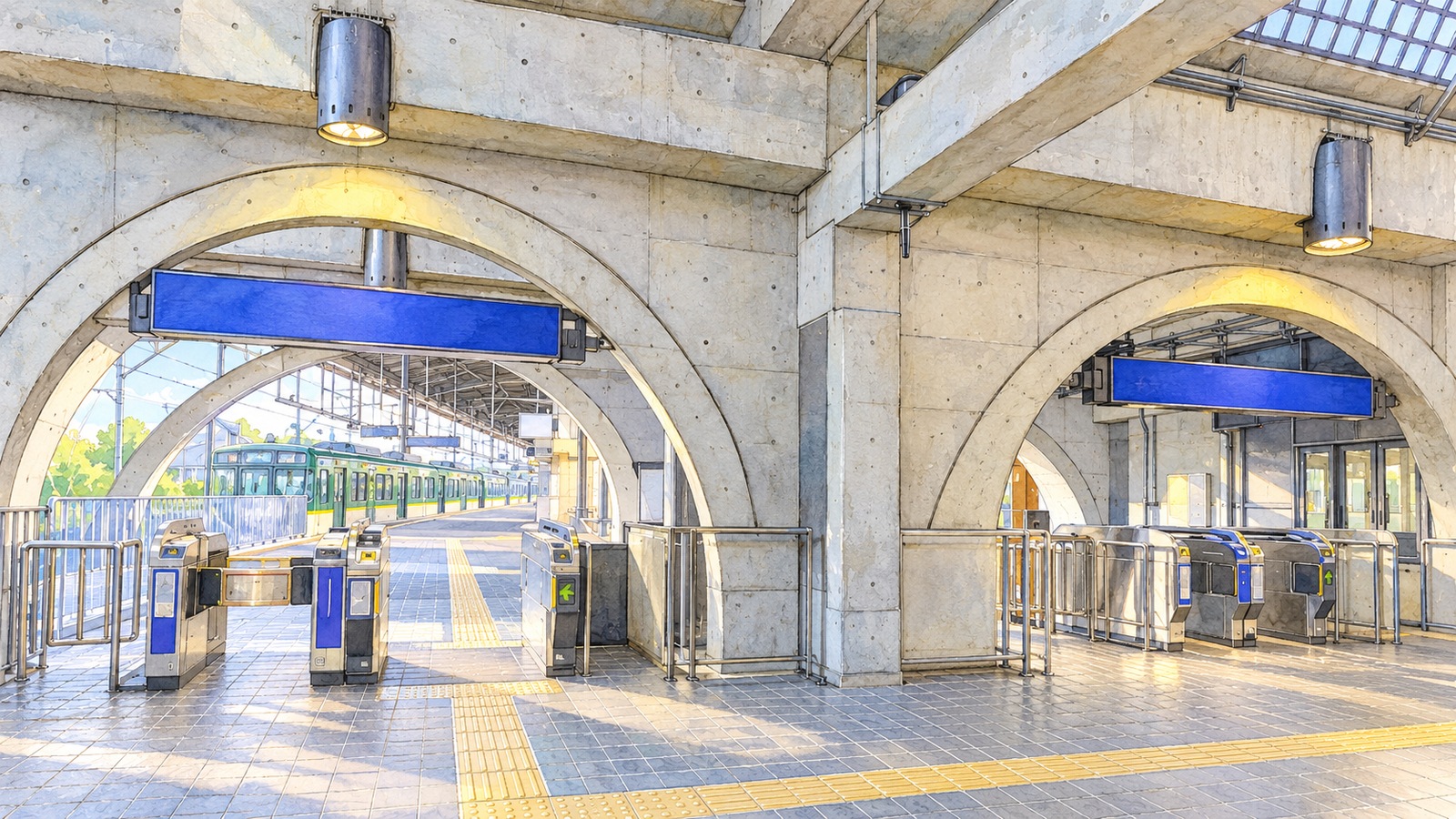
Keihan Uji Station is No. 1 on the official map. The sunset scene with Kumiko and Reina Kousaka in front of the semicircular windows is associated with this station. Its distinctive architecture frames the time the two spend together after band practice. Looking up at the broad glass windows and curved concrete in person, you can appreciate the open evening setting that illuminates them on screen.
The station building with semicircular windows is the terminus of the Keihan Uji Line, which runs along the east side of the Uji River. Visitors can view the scenery from the concourse outside the ticket gates and the station plaza; access to the platforms requires a train ticket or platform admission ticket.
During the fall 2026 campaign, displays linking the station to the series—including a wrapped vending machine featuring Kumiko and her friends and character panels—are also on view. Their content changes with the season, so visitors can enjoy both the enduring beauty of the station building and the campaign displays specific to their visit.
The terminus is in Otsukata, Uji, Kyoto Prefecture, a short walk from the east end of Uji Bridge. When taking photos, avoid blocking the ticket gates, stairs, or passenger routes. Notice the arch of the windows and the angle of the light: they show how the series turns an everyday place of passage into a memorable dramatic setting.
- Location
- Keihan Uji Station, Otsukata, Uji City, Kyoto Prefecture
- Connection to the series
- The terminus with semicircular windows, featured as No. 1 on the official location map and associated with the sunset on Kumiko and Reina’s walk home
- Visiting and access
- The concourse outside the ticket gates and station plaza are freely accessible; a train ticket or platform admission ticket is required to enter the platforms. A short walk to the east end of Uji Bridge.
Sources:Keihan Railway (produced with the cooperation of Uji City) / Keihan Railway
Uji Bridge | Looking Beyond the Handrails to the River and the Town at Dusk
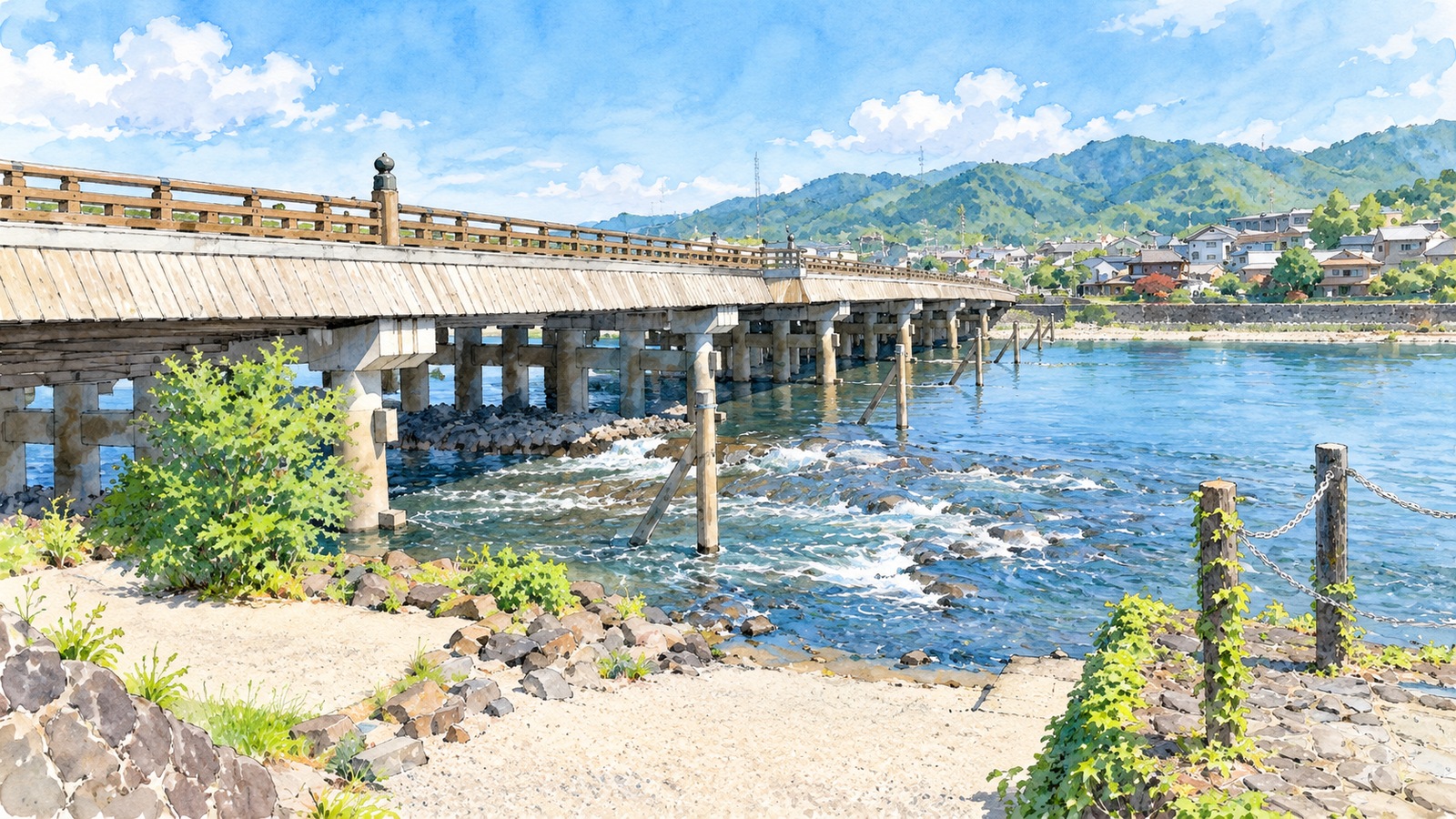
The scene on the official map associated with Uji Bridge features Kumiko and Kanade Hisai. In the sunset scene, the two stand beside the handrail, and the bridge over the river becomes a place for a conversation between an upperclassman and a younger student. The bridge as a historic sightseeing landmark and as part of the everyday route where band members spend time after school come together in one view.
The current bridge was rebuilt in 1996 and is distinguished by cypress handrails and bronze onion-shaped finials. From the “Sannoma,” a projection on the upstream side, you can see the Uji River’s abundant flow and the surrounding mountains up close. Compare the straight lines of the railing depicted on screen with the river’s actual width and the depth of the townscape on the opposite bank to see how the scene frames the distance between the two.
Wide sidewalks run along both sides of the bridge, making it possible to cross with a wheelchair or stroller. The riverside scenery changes throughout the day, from the bright water at midday to mountain shadows at dusk.
The bridge is an essential crossing when walking from Keihan Uji Station toward Byodoin Omotesando or Agata Shrine, and it is also included in the first period of the fall 2026 rally. As you walk listening to the breeze and the sound of the water, you can understand why the scenes on the bridge leave such a strong impression in the series.
- Location
- Uji Bridge, Uji City, Kyoto Prefecture
- Connection to the series
- A bridge over the Uji River that recurs at key points in the story, including an evening scene where Kumiko and Kanade Hisai speak beside the railing
- Pedestrian access
- Sidewalks on both sides are open at all times; the upstream side has a projecting viewing area called the Sannoma. Within walking distance of Keihan Uji and JR Uji stations.
Sources:Keihan Railway (produced with the cooperation of Uji City) / Keihan Railway / Kyoto Prefectural Tourism Federation
Agata Shrine | Comparing the Festival Stalls with the Grounds on an Ordinary Day
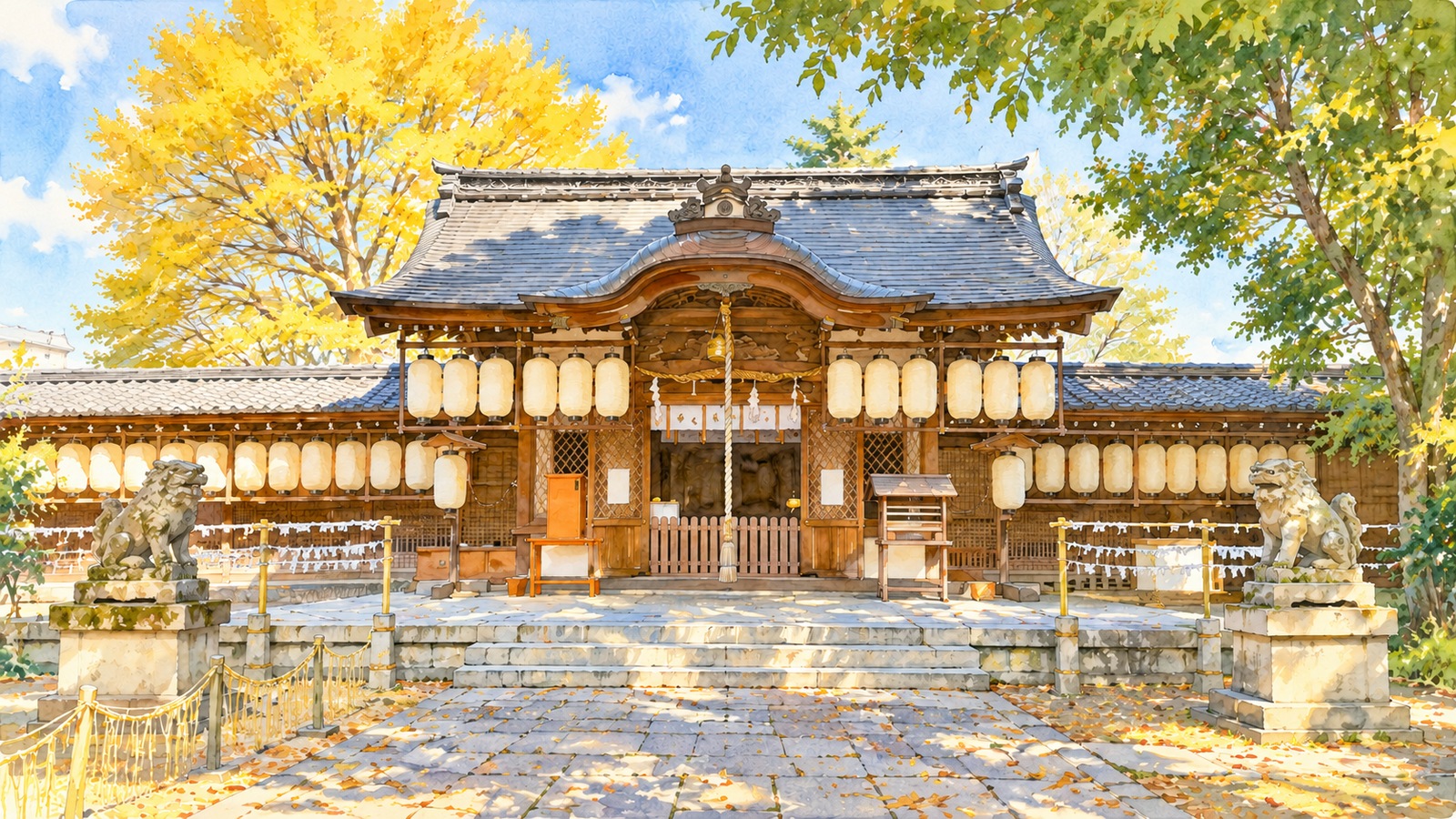
The official map associates Agata Shrine with festival stalls and scenes featuring Hazuki Kato, Midori Kawashima, and others. Even those who remember the characters in practice clothes or school uniforms can recall the high-school friends’ time outside of band activities by picturing them walking through the festival at night.
The shrine’s annual Agata Festival takes place from June 5 until the early hours of June 6, with many stalls lining the approach. On an ordinary day, the grounds are quiet and surrounded by trees—a calm atmosphere quite different from the festival’s lively nighttime bustle. Seeing how the same place changes with the season and its events is part of the pleasure of visiting in person.
The shrine is at 72 Renge, Uji, Uji City, and the grounds are freely accessible for worship. It has an entrance separate from the adjacent Byodoin Temple grounds, and a quiet shrine precinct extends from the approach’s torii gate to the worship hall.
The shrine is a location in the second period of the fall 2026 digital stamp rally, running from November 1 through December 20. It is a short walk from Byodoin Omotesando, making it easy to include in a walking route on the west side of the river.
- Location
- 72 Renge, Uji, Uji City, Kyoto Prefecture
- Connection to the series
- A shrine where nighttime scenes featuring Hazuki Kato and Midori Kawashima are associated with the approach lined by stalls during the annual June Agata Festival
- Worship and access
- The grounds are open for worship; the annual Agata Festival takes place from June 5 through the early hours of June 6. A short walk from Byodoin Omotesando.
Sources:Keihan Railway (produced with the cooperation of Uji City) / Kyoto Prefectural Tourism Federation / Keihan Railway
Byodoin Omotesando | Pairing the Tea-Shop Street with Kumiko and Shuichi’s Relationship
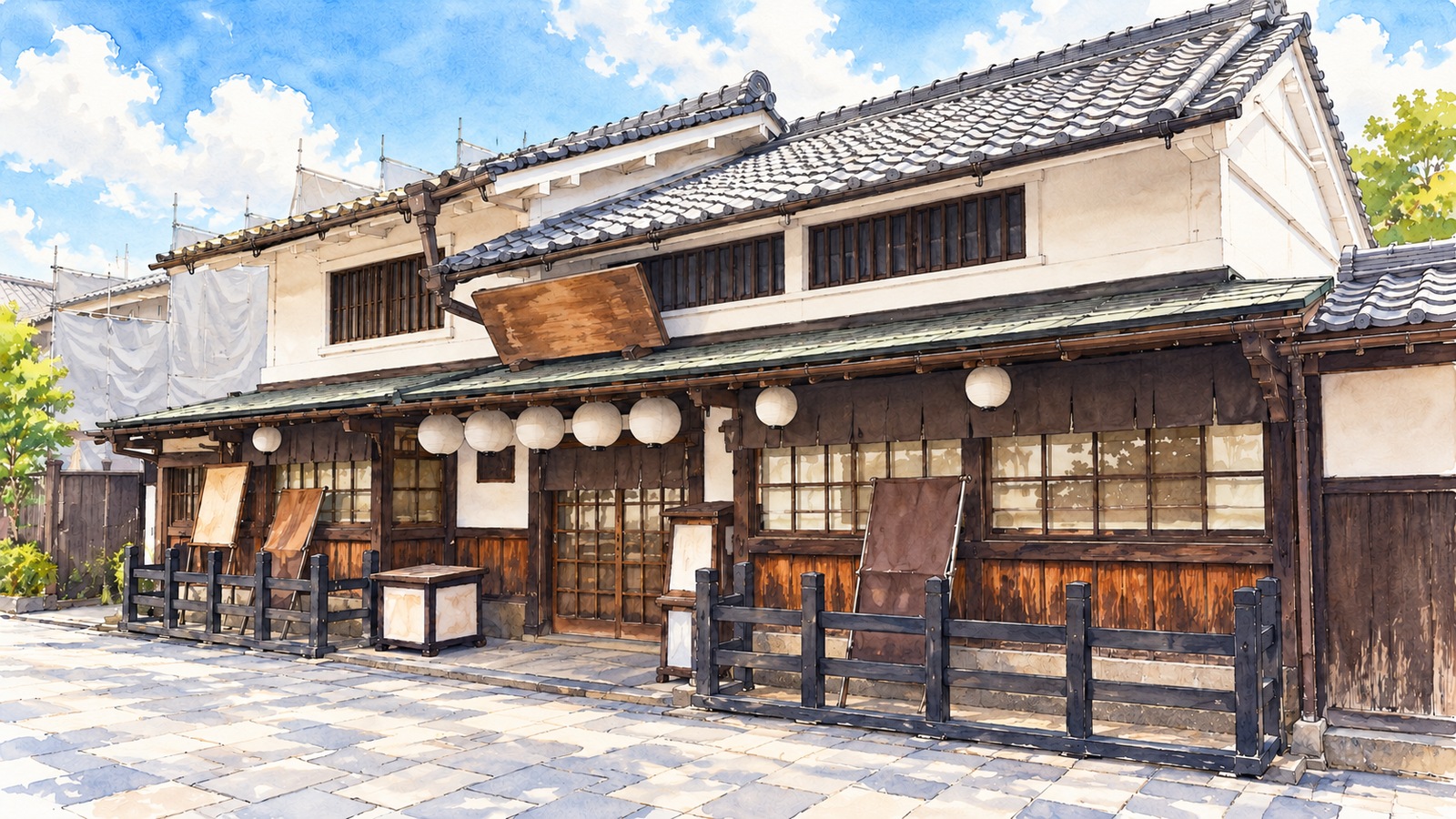
The official map marks Byodoin Omotesando as the setting for a street scene with Shuichi Tsukamoto and Kumiko. Looking down the street lined with long-established Uji tea businesses and tea shops, you can see how the backdrop to the two walking together reflects the life and commerce of the real town.
This roughly 160-meter approach runs from the west end of Uji Bridge to the front gate of Byodoin Temple. The stone-paved street itself is open for walking without an admission ticket. The official map identifies this street, where the signs and shopfronts along the road echo the series’ backgrounds.
Kumiko and Shuichi have been childhood friends, and in their final year they serve as club president and vice president, supporting more than 90 band members. Remembering them walking side by side along the approach conveys an easy familiarity that their school roles alone cannot explain.
The tea shops and souvenir stores along the street each set their own business hours and closing days. This stone-paved approach is a place to walk amid the aroma of tea and enjoy Uji tea and sweets.
- Location
- Byodoin Omotesando, Renge, Uji, Uji City, Kyoto Prefecture
- Connection to the series
- A street of tea shops shown with childhood friends Kumiko and Shuichi Tsukamoto walking side by side; in their third year, they serve as club president and vice president
- Walking conditions
- The roughly 160-meter street from the west end of Uji Bridge to the front gate of Byodoin Temple is open to pedestrians; each tea shop sets its own hours.
Sources:Keihan Railway (produced with the cooperation of Uji City) / Kyoto Prefectural Tourism Federation
Inokawa Irrigation Pump Station | Remembering Kumiko and Reina’s Conversation on a Riverside Bench
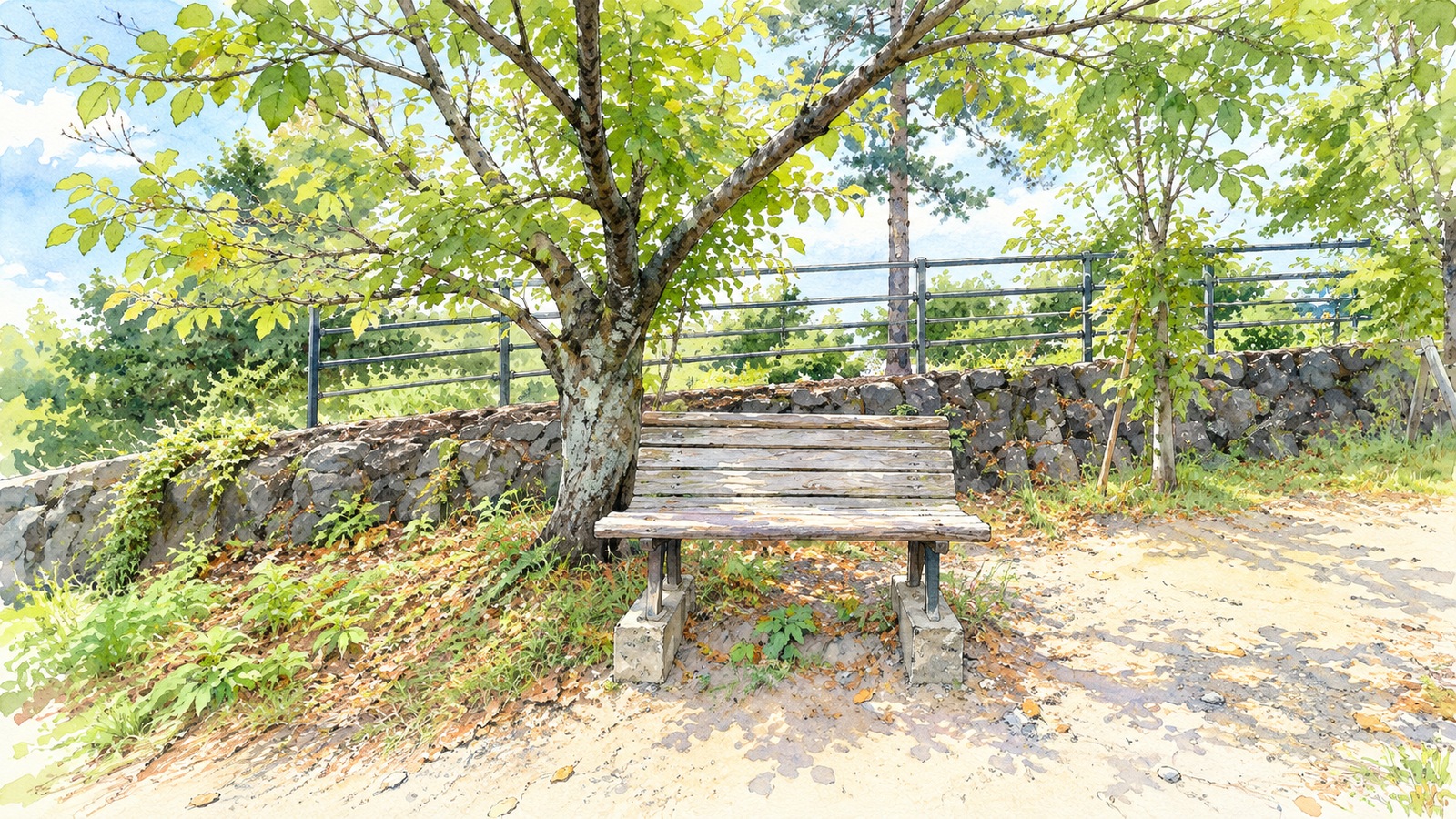
Along the river in front of the Inokawa Irrigation Pump Station is a place known as the Kumiko Bench. The official map shows Kumiko and Reina sitting side by side and talking. It is a memorable spot in a story about a large concert band, reminding viewers that the two also share quiet moments when they can speak honestly with each other.
At the bench, with the Uji River flowing right in front of you, the openness and constant sound of the water make an impression, quite different from the school’s practice room. Imagine the distance between the two as they sit together and the direction of their gaze toward the river; the conversations by the water that recur in the series take on even greater resonance.
This public riverside walking area is on the east side of the river in Toga, Uji, along the Ajirogi Path. The Inokawa irrigation facility behind it is managed infrastructure and is off-limits; visitors can see the bench and the Uji River from the riverside path.
The bench is included in the first period of the fall 2026 rally and is also linked to Kumiko’s digital photo frame.
- Location
- Along the Ajirogi Path in Toga, Uji, Uji City, Kyoto Prefecture (in front of the Inokawa Irrigation Pump Station)
- Connection to the series
- The riverside bench known as the “Kumiko Bench,” where Kumiko and Reina sit beside each other and talk
- Visiting conditions
- The public promenade on the east bank of the Uji River is open at all times; entry into the irrigation facility behind it is prohibited.
Sources:Keihan Railway (produced with the cooperation of Uji City) / Keihan Railway
Uji Shrine and Asagiri Bridge Area | The Festival Bridge and the View from Across the River
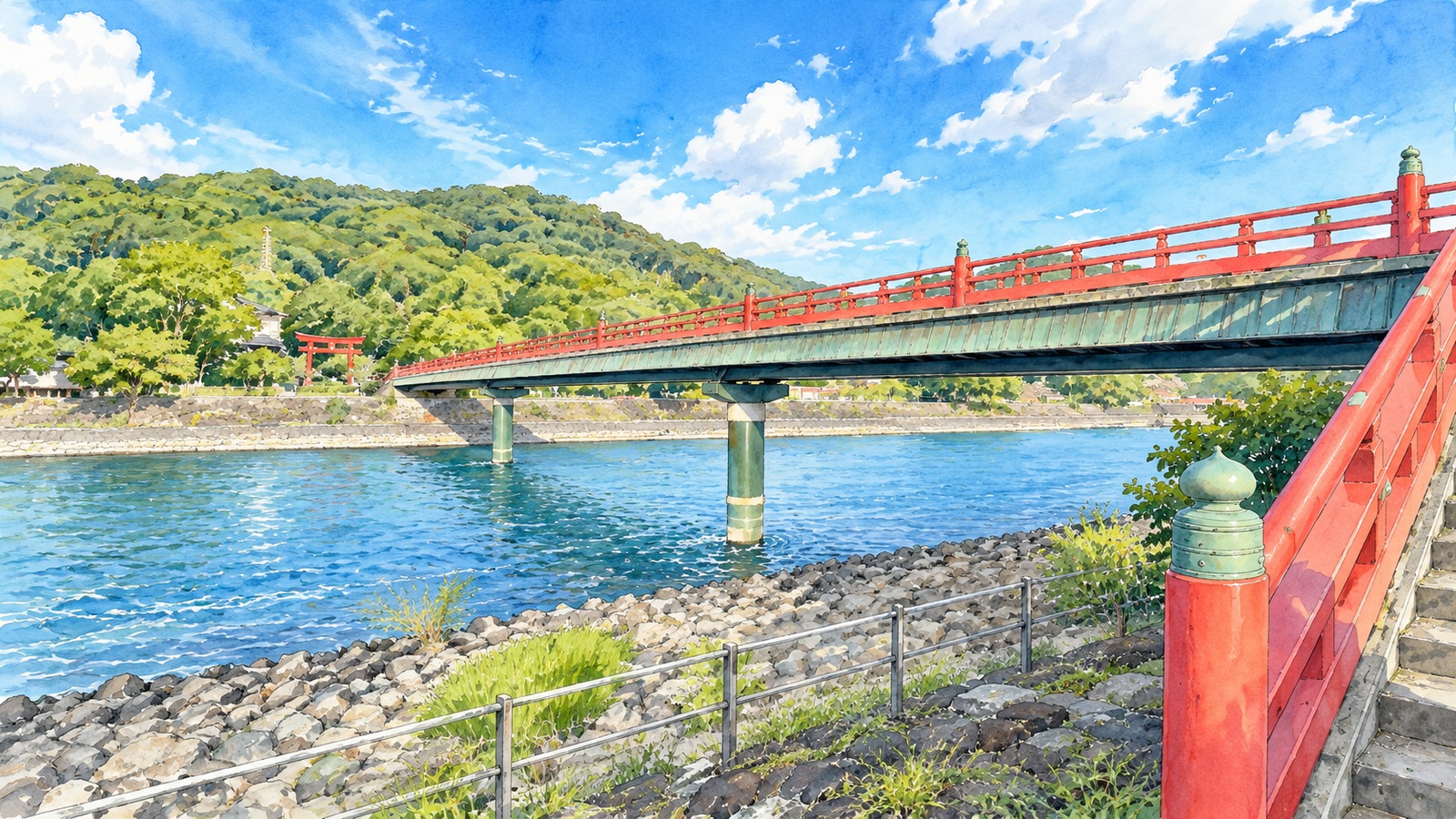
The official map includes both a scene with Kumiko and Reina on Asagiri Bridge during the festival and a scene in front of Uji Shrine. The vermilion bridge is just beyond the shrine’s torii gate, so the bridge and shrine approach connect as one continuous landscape.
The popular riverside walking area stretches from around Uji Shrine, at 1 Yamada, Uji, Uji City, to Asagiri Bridge leading to Tachibana Island in the river. This is a different shrine from the UNESCO World Heritage site Ujigami Shrine, farther toward the hills; check the torii plaque and signs before visiting.
Although the nighttime scene is especially memorable in the series, a daytime visit reveals the vivid contrast of the bridge’s vermilion railings, the green hills behind it, and the surface of the Uji River. Check the positions of the bridge and shrine approach in daylight, and when you revisit the episode, it will be easier to see which way the two were facing.
Asagiri Bridge is a pedestrian bridge used by many people visiting the area and shrine. It is a place to enjoy the vermilion railing and broad river view while feeling the breeze from the Uji River.
- Location
- From 1 Yamada, Uji, Uji City, Kyoto Prefecture, to Asagiri Bridge
- Connection to the series
- A riverside area with scenes of Kumiko and Reina facing each other on the vermilion bridge on festival night, as well as views in front of the shrine
- Worship and pedestrian access
- Asagiri Bridge (pedestrians only) and the grounds of Uji Shrine are open for passage and worship at all times.
Sources:Keihan Railway (produced with the cooperation of Uji City) / Kyoto Prefectural Tourism Federation
Daikichiyama Observation Deck and Sawarabi Path | A Mountain Setting Where Two Instruments Resound
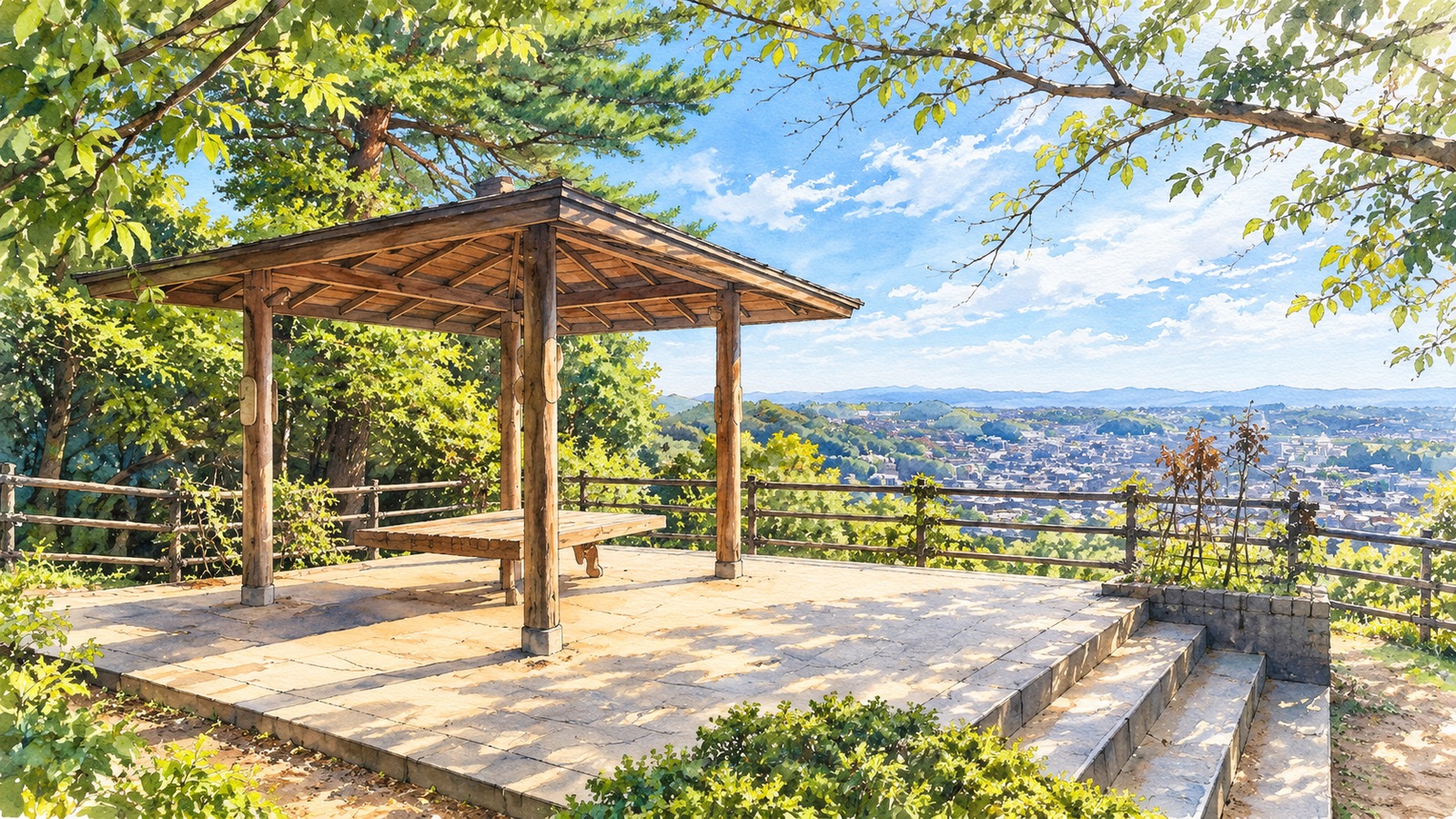
The Daikichiyama Observation Deck is associated with the scene where Kumiko and Reina play the euphonium and trumpet. The official map places an image of the two playing alongside one of the mountain trail. Following the path from the foot of the hill, Sawarabi Path, to the observation deck near the summit conveys the special sense of distance between them as they step away from the everyday town to face each other alone.
According to Uji City, the path through Daikichiyama Scenic Park is about one kilometer long. It takes roughly 20–30 minutes to climb its gently winding slope to the observation deck. The address is 31-1 Uji Kurenai, Uji City. From the deck, you can see the Uji River, Byodoin Temple, and the city of Uji.
The nighttime performance scene is known as one of the series’ memorable moments, but the official location map clearly advises against climbing after dark because there are no streetlights along the mountain trail. Visiting during daylight is the basic recommendation.
Take in the view of Uji and the river from the observation deck in daylight. When you return home and watch the nighttime performance again, the setting will bring to mind the town’s depth beyond the darkness. After descending, you can extend your walk along Sawarabi Path toward the Tale of Genji Museum in Uji.
- Location
- 31-1 Uji Kurenai, Uji City, Kyoto Prefecture (Daikichiyama Scenic Park)
- Connection to the series
- The observation deck where Kumiko and Reina play the euphonium and trumpet while looking out over Uji
- Access and caution
- From the Sawarabi Path trailhead, walk about one kilometer along the park path (roughly 20–30 minutes). There are no streetlights on the mountain trail, so a visit during daylight is recommended.
Sources:Keihan Railway (produced with the cooperation of Uji City) / Uji City Parks and Green Spaces Division / Keihan Railway
Hato-yama Green Space Observation Deck | Looking Out over the Residential Neighborhood Beyond the Fence
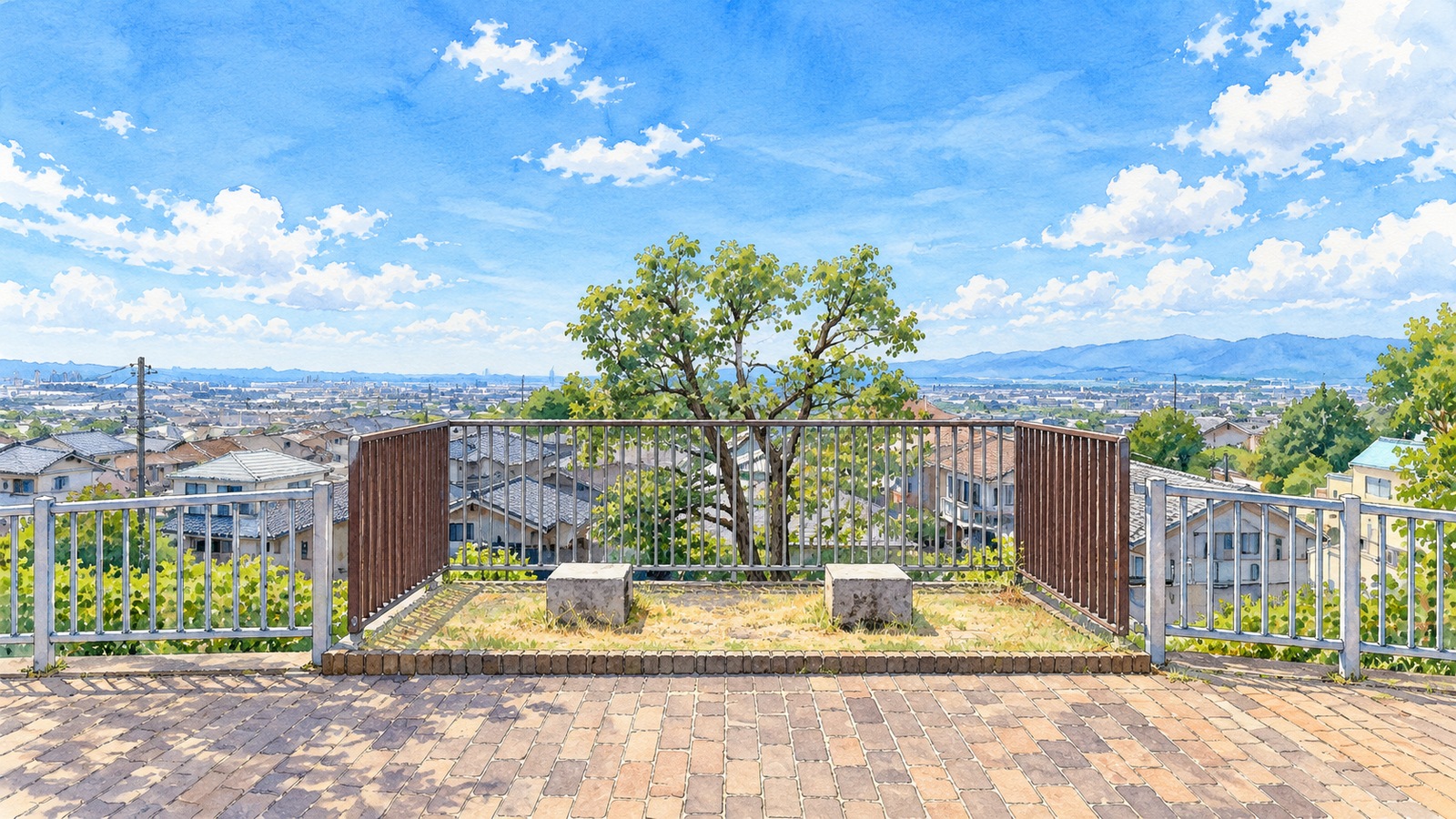
Hato-yama Green Space Observation Deck is No. 18 on the official fall 2026 map. The map shows a scene looking down on a residential neighborhood beyond a protective fence, making this a place to compare the series’ background art with the view in person. The hillside neighborhood and open sky offer a different perspective from the popular sightseeing spots around the Uji River.
The rooftops visible from the hill form part of the everyday area where Kitauji High School band members commute and spend time after school. Compare the central Uji River area seen from Daikichiyama with the residential view from Hato-yama to see how much the character of Uji changes from one place to another.
The observation deck is in a green space in Hato-yama, Uji City, and can be reached by maintained stairs and paths. The surrounding area is a quiet residential neighborhood. Do not point cameras toward nearby homes or enter private property; enjoy the panorama from the green space quietly.
- Location
- Hato-yama Green Space Observation Deck, Hato-yama, Uji City, Kyoto Prefecture
- Connection to the series
- A hilltop observation deck listed as No. 18 on the official map, overlooking the residential neighborhood where Kitauji High School students live beyond a protective fence
- Visiting conditions
- The observation area is accessible via maintained stairs and paths in the green space.
Sources:Keihan Railway (produced with the cooperation of Uji City)
Kofata Shrine | Remembering Yuko and Natsuki’s Scenes at the Gokasho Grounds
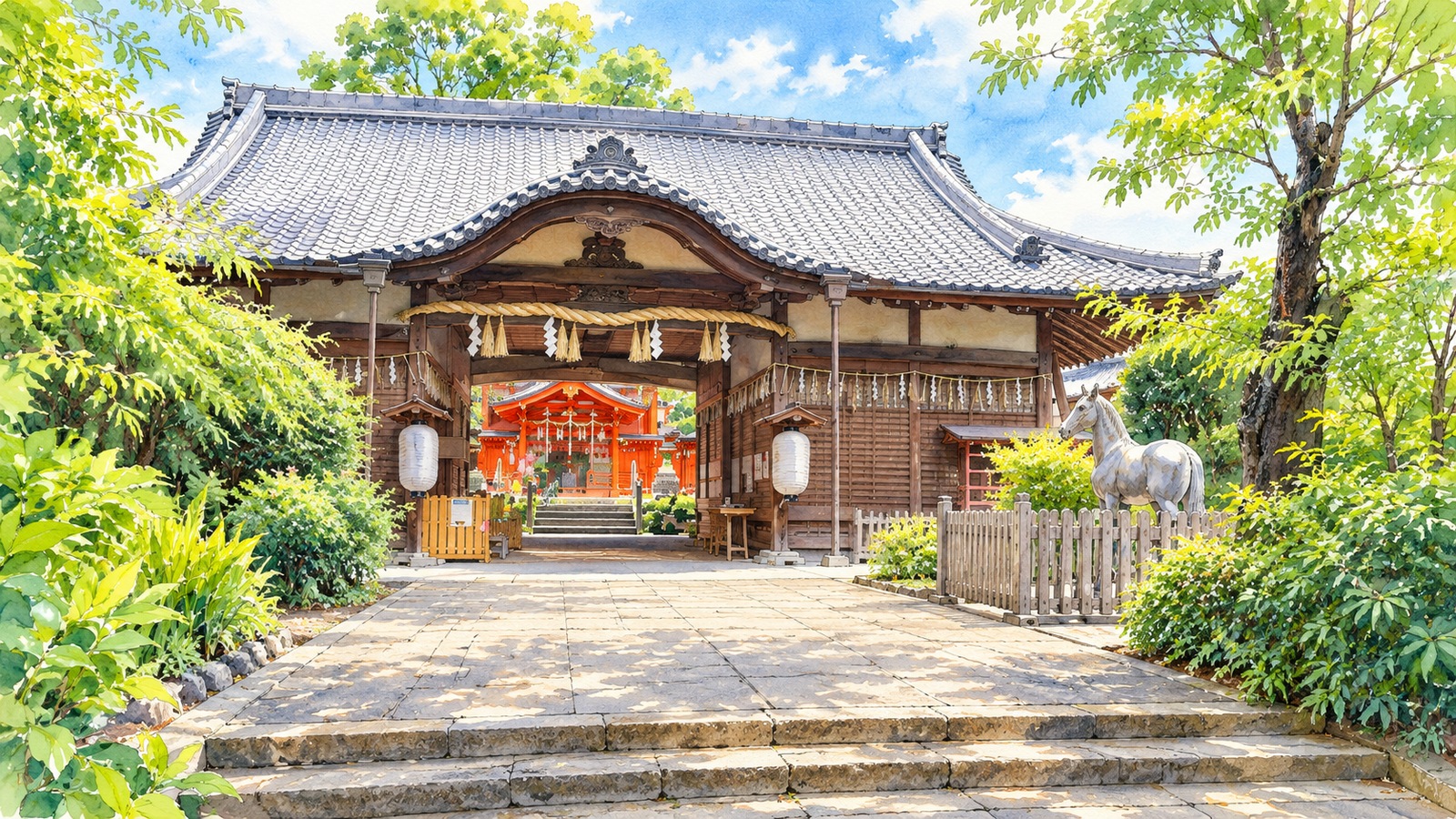
The scenes with Yuko Yoshikawa and Natsuki Nakagawa on the official map are associated with Kofata Shrine in Gokasho. Another shrine with the same name is in Kohata, also within Uji City, so confirm the address—13 Furukawa, Gokasho—before heading there. The quiet grounds surrounded by trees are a place to remember the two upperclassmen’s exchanges.
The shrine is about a 15-minute walk from either Obaku Station on the Keihan Uji Line or Obaku Station on the JR Nara Line. JR Central’s visitor information says the grounds are open for worship and the amulet office is open from 9 a.m. to 5 p.m. Follow shrine etiquette as you walk through the historic grounds.
Before Kumiko and her classmates became the school’s senior students, Yuko and Natsuki supported the Kitauji High School concert band as its president and vice president. Knowing the challenges faced by Kumiko, Shuichi, Reina, and their year makes it possible to revisit the upperclassmen’s scenes with a sense of the weight of club traditions and responsibilities passing to the next class.
The shrine is included in the second period of the fall 2026 digital stamp rally, from November 1 through December 20. Pair it with the riverbank near the Water Pipeline Bridge and you can efficiently visit several northern Uji locations.
- Location
- 13 Furukawa, Gokasho, Uji City, Kyoto Prefecture
- Connection to the series
- An old shrine on a hill in Gokasho, associated on the official map with scenes featuring upperclassmen Yuko Yoshikawa and Natsuki Nakagawa
- Worship and access
- The shrine grounds are open for worship; the amulet office is open 9 a.m.–5 p.m. About a 15-minute walk from Keihan or JR Obaku Station.
Sources:Keihan Railway (produced with the cooperation of Uji City) / JR Central: Visitor information for Kofata Shrine / Keihan Railway
Uji River near the Water Pipeline Bridge | Looking Up at the Sky from Asuka and Kumiko’s Bench
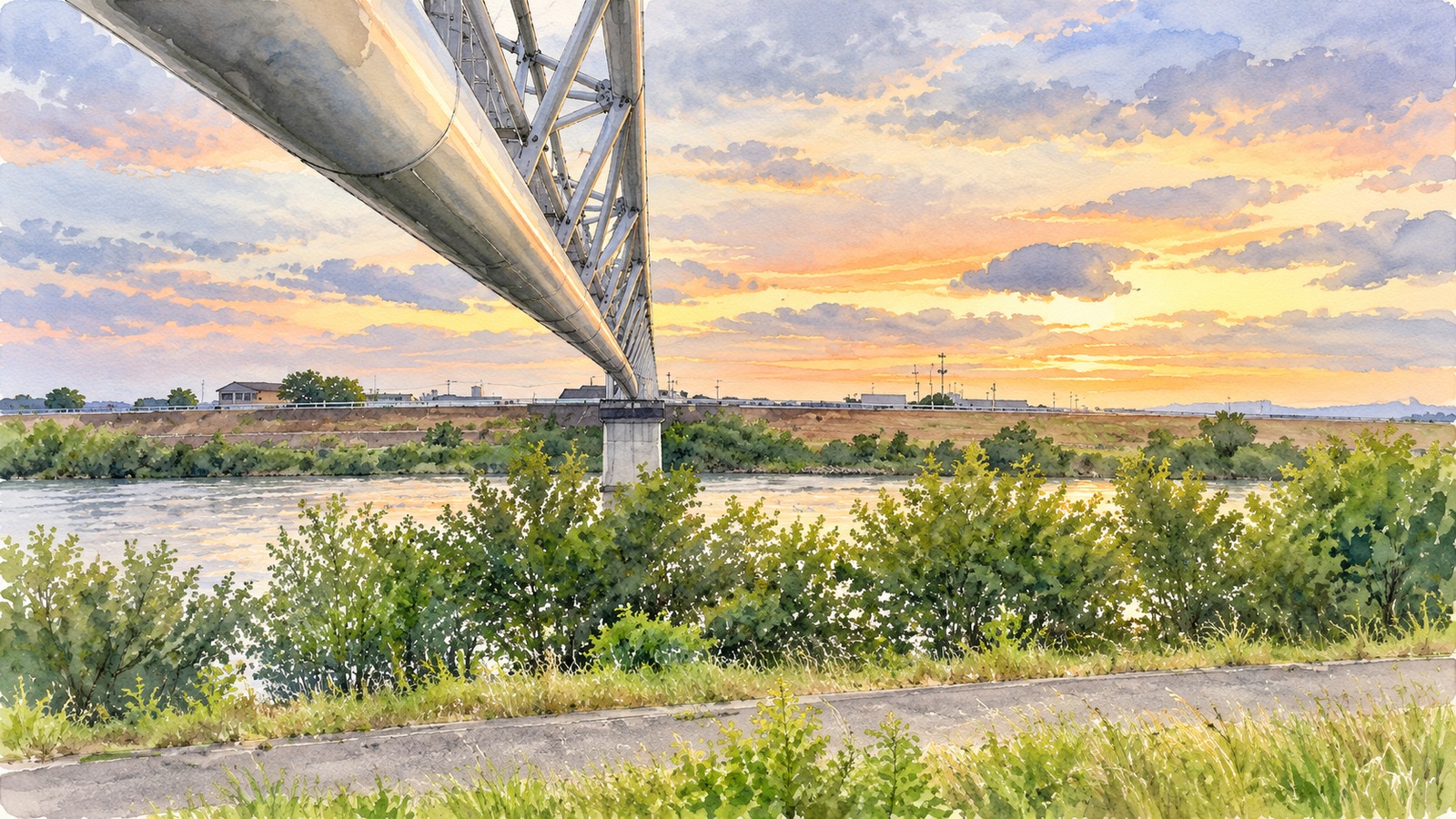
The riverbank near the Water Pipeline Bridge is associated on the official map with a scene featuring Asuka Tanaka and Kumiko. The map shows the large pipeline bridge stretching behind the two as they sit on a bench. This area is downstream from the bench in front of the Inokawa Irrigation Pump Station near Uji Bridge. Though both are along the same river, the person facing Kumiko and the scale of the scenery are different.
This is a place to remember Kumiko’s conversation with Asuka, an upperclassman who had a major influence on her as a fellow euphonium player, amid the broad riverbank and bridge. Looking up at the straight lines of the structure overhead and the wide sky above it draws attention to the quiet open space behind the two characters’ expressions.
The viewing area is a public riverside promenade along the right bank of the Uji River, around Gokasho and Obaku. The pipeline bridge itself is managed infrastructure that carries water pipes and cannot be crossed on foot; visitors can look up at it from the benches and path along the riverbank.
In the fall 2026 rally, the site is included in the second period as a location associated with Asuka. The Kumiko Bench upstream and this area near the pipeline bridge downstream form a pair of riverside bench locations along the Uji River.
- Location
- Riverbank along the pipeline bridge on the right bank of the Uji River, around Gokasho and Obaku, Uji City, Kyoto Prefecture
- Connection to the series
- A riverbank bench with a view of the pipeline bridge, associated with the scene where Kumiko faces Asuka Tanaka, an upperclassman and fellow euphonium player
- Visiting and access
- The public promenade on the right bank of the Uji River is open to visitors; the pipeline bridge itself is off-limits and cannot be crossed. Within walking distance of Keihan and JR Obaku stations.
Sources:Keihan Railway (produced with the cooperation of Uji City) / Keihan Railway
Learn More About Sound! Euphonium | Playing for a Dream and Choosing How to Support the Band
The scenery of Uji is intertwined with high-school students carrying instruments. They work toward the same goal when they play together, but each has different hopes and a different position in the band. After learning about the scenes where two characters talk around town, consider their roles as club president, younger students, and rivals to see the music story in more detail.
Kumiko Oumae and Reina Kousaka | Wanting to Play Together and the Band’s Goal
Protagonist Kumiko Oumae plays the euphonium and is voiced by Tomoyo Kurosawa. In her final year, she becomes band president and leads more than 90 members as they compete in their last high-school contest. She is not only a player refining her own sound, but also someone who takes on the responsibility of making decisions for the band as a whole.
Reina Kousaka plays the trumpet and is voiced by Chika Anzai. As drum major, she joins the leadership team and supports Kumiko while guiding the band members with high expectations. Her instrument and her leadership role are distinct responsibilities. The series shows her facing both the challenge of making beautiful music and that of leading others.
The 2026 introduction to the second part of Sound! Euphonium: The Final Chapter presents two of Kumiko’s wishes: to win gold at the national competition as band president, and to play a solo with Reina as a musician. Remembering their performance at the nighttime observation deck offers a way to consider how their wish to play together relates to the choices facing the entire band.
Hazuki, Midori, and Shuichi | Different Roles Supporting One Band
Hazuki Kato plays the tuba and is voiced by Ayaka Asai. In her final year, she serves as the new-student coordinator, teaching younger students the basics. Drawing on her own experience of starting concert band in high school, she welcomes the new first-year students into the club.
Midori Kawashima plays the double bass and is voiced by Moe Toyota. As leader of the low-register section, she values enjoying music and is admired by younger students. Tuba, euphonium, and double bass are all part of the low register, yet each instrument and role is different; the ways members support one another also vary.
Shuichi Tsukamoto plays the trombone and is voiced by Haruki Ishiya. Kumiko’s childhood friend, he is also the vice president, supporting the leadership team with his calm personality. Recalling the two walking along Byodoin Omotesando, you can see how the responsibility of running the band intersects with a relationship between people who have known each other since childhood.
Mayu Kuroe and Kanade Hisai | Whose Perspective Shapes Fun and Meritocracy?
Mayu Kuroe is a euphonium player who transfers in the spring of her third year from Seira Girls’ High School, a school with a strong concert band program. She is voiced by Haruka Tomatsu. The series introduces her as a girl playing a silver instrument whom Kumiko meets at school in the evening. The arrival of another player of the same instrument changes the band’s relationships.
Mayu values playing music that everyone can enjoy together. Kitauji High School, by contrast, holds auditions based on ability regardless of grade. In the introduction to the second part of Sound! Euphonium: The Final Chapter, due out in 2026, these values come into focus after the band advances past the Kansai competition and performs at the school festival.
Kanade Hisai is also a euphonium player, one year below Kumiko, and is voiced by Sora Amamiya. She is fond of Kumiko but wary of transfer student Mayu. Remembering the conversation between Kumiko and Kanade by the railing of Uji Bridge makes clear that even players in the same section have different things they want to protect as an upperclassman, underclassman, or transfer student.
Even with a shared goal of winning gold at the national competition, the band members do not all begin with the same feelings about how to get there. What does each person want, and for whom are they trying to make a decision? One-on-one conversations by the river and bridges in Uji hold the individual struggles that can be difficult to see in a large ensemble.
Ayano Takeda’s Original Novels | Improving as a Musician and the Everyday Life of Staying in the Band
The original work is a novel series by Ayano Takeda. Born in Kyoto Prefecture in 1992, she made her debut in 2013 with Breathe with You Today. On December 5 of the same year, the newly written Sound! Euphonium: Welcome to the Kitauji High School Concert Band was published.
Takarajimasha’s description follows a band that once competed at the national level as it grows under the strict guidance of its new advisor, Noboru Taki. The story includes a competition over a solo and students who leave the band to prioritize their studies. The novels portray not only the process of learning to play well, but also the time spent in club activities and the everyday choices involved in staying.
Walking through Uji can also bring you closer to the atmosphere of Kitauji High School, the fictional setting of the story. The novels explore the delicate emotions of high-school students through fiction. Placing them alongside Uji’s public riverbanks and shrine scenery lets you appreciate the storytelling in both prose and animation.
Kyoto Animation’s Production | The Work of Drawing Characters, Instruments, and Performance
For the first TV season in 2015, Tatsuya Ishihara was director, Naoko Yamada served as series director, and Shoko Ikeda designed the characters. For The Final Chapter in 2026, Ishihara is chief director, Taichi Ogawa is director, and Jukki Hanada wrote the screenplay. Even within the same series, the credited roles vary from one work to another.
The Final Chapter does more than polish the original animation: Hanada wrote a new screenplay, and the films add new scenes and performance sequences not shown in the TV series. Even for viewers who watched the third TV season, the theatrical release invites them to consider what has been retold and which performances it brings to the screen.
Character design is by Shoko Ikeda and Kazumi Ikeda, with Kazumi Ikeda as chief animation director. Hiroyuki Takahashi handled instrument design, and Minoru Ota and Noriaki Maruki are the instrument animation directors. Different specialists support the characters’ expressions, the shapes of their instruments, and the movements of their bodies as they play.
Mutsuo Shinohara is art director, Akiko Takeda is color designer, and Kazuya Takao is director of photography. The skills of many specialists come together to create the light and depth of each scene.
The Production Behind the Sound and the Theme Songs for The Final Chapter
Music is by Akito Matsuda, with Masahiro Owada as wind-band supervisor. Senzoku Gakuen College of Music is credited for music cooperation, and Progressive! Wind Orchestra for performance cooperation. Both sides of production support the animation of the instruments and the ensemble music heard in the series.
The theme song for the first part of The Final Chapter is “ToCoda” by TRUE. The second part features “ReCoda (The Final Movie Ver.)” by TRUE and the Kitauji High School Concert Band. Rather than treating both parts as having the same song, notice which music accompanies each film to appreciate how sound relates to the story’s conclusion.
The two musicians on Daikichiyama, the upperclassman and younger student talking by the river, and the large ensemble all have distinct contrasts between the time when music plays and the moments when words and expressions take focus. Knowing the scenery in person can connect you to the flow of the story in ways that listening to a performance as a single piece cannot.
- Band president
Kumiko Oumae (euphonium)
The band president leads more than 90 members as they aim for a gold medal at the national competition.
- Drum major
Reina Kousaka (trumpet)
As drum major, she guides members with high expectations and supports Kumiko.
- Low-register section leader
Midori Kawashima (double bass)
She brings the younger members together while valuing the joy of making music.
- New-student coordinator
Hazuki Kato (tuba)
As new-student coordinator, she welcomes younger students and teaches them the fundamentals.
Sources:List of official materials and visitor information
From the Original Novels to The Final Chapter | Milestones Connecting the Series with Uji
From publication of the first novel in 2013 to the first TV season in 2015, the films and spin-offs, the third TV season in 2024, and the two-part release of The Final Chapter and Keihan Railway’s location campaign in 2026, this timeline organizes key milestones in the series and its connection to Uji. It traces how the story of Kumiko and her classmates’ three years of high school has been adapted and linked to local projects.
- 2013
December 5 Ayano Takeda’s first novel is published, beginning a story of everyday concert-band life and growth.Original novel - 2015
The first TV season is produced. Character expressions, Uji scenery, and musical performances are brought to life through animation and sound.Broadcast - 2016
The first season’s theatrical compilation and the second TV season are produced, expanding the series across two viewing formats.Expansion - 2017
The film Sound! Euphonium: May the Melody Reach You! is produced, adding a theatrical work that revisits the series’ journey.Theatrical film - 2018
Liz and the Blue Bird is produced, offering another entry into the same concert-band world through a different set of relationships.Theatrical film - 2019
Our Promise: A Brand New Day is produced. As the students’ high-school years progress, the film depicts new relationships among the band members.Theatrical film - 2023
Ensemble Contest is produced, turning attention to a smaller group rather than a large competition ensemble.Theatrical film - 2024
The third TV season airs and concludes. On June 26 of the same year, the first home-video volume, containing Episodes 1–3, is released.Broadcast - 2026
The first part of The Final Chapter is released. Based on the third TV season, it adds a new screenplay and scenes to create a theatrical work.Theatrical release - 2026
September 11 The second part of The Final Chapter is released. Check theater listings for current screening venues and schedules.Theatrical release - 2026
September–December Keihan Railway’s fall location campaign runs from September 1 through December 20. The campaign continues to connect the series with Uji while featuring different locations in its first and second periods.Local project
Sources:List of official materials and visitor information
Read and Watch Before or After Your Trip | The Original Novels and Season 3 Videos
To revisit the world of the series before or after walking Uji’s riverbanks and mountain paths, consider its starting point—the first novel—as well as Volume 1 of the third TV season on Blu-ray, which covers the beginning of Kumiko and her classmates’ final year, and an official preview clip from the bonus video.
Following the Start of the Final School Year in the Original Novel and Season 3 Blu-ray, Volume 1
For the story’s beginnings in print, start with Takarajimasha Bunko’s Sound! Euphonium: Welcome to the Kitauji High School Concert Band (ISBN 9784800217479; 319 pages). Read it while recalling scenes from the TV series and films to appreciate its distinctive psychological detail and small moments of everyday interaction.
Volume 1 of Sound! Euphonium 3 (Blu-ray catalog no. PCXE-53361 / DVD catalog no. PCBE-56551) includes Episodes 1–3, a collection of unused footage, making-of material, textless opening and ending sequences, and video from the November 23, 2023 news announcement. Audio commentaries feature Tomoyo Kurosawa, Ayaka Asai, Moe Toyota, and Chika Anzai for Episodes 1 and 2; new students’ voice actors Shiina Natsukawa, Ayane Matsuda, Momoka Terasawa, and Emiri Suyama for Episode 3; and Tatsuya Ishihara, Taichi Ogawa, Kazumi Ikeda, and Tomomi Sato in a staff commentary. Hearing from both the performers and the staff offers another way to appreciate Uji’s scenery and the characters’ performances.
Bonus Episode “Always Natural” and Words from the Cast and Staff
The bonus episode “Always Natural,” included in Volume 1, follows Midori noticing a phrase she has heard frequently lately while watching Kumiko and Reina cope with their busy lives as band president and drum major. Amid the tense choices leading up to the competition, enjoy the easy conversation and familiar closeness among the usual four friends. An official preview clip on YouTube also offers a glimpse of their gentle exchange.
Sources:List of official materials and visitor information
Lab Notes | A Business Perspective: Rotating Which Places to Visit in Uji by Season
Keihan Railway’s location map, produced with the cooperation of Uji City, connects scenes from the series with places around town. The fall 2026 digital stamp rally features different locations in its first and second periods. The campaign continues for the same series while presenting participants with different scenery.
For projects organized by railway companies and local institutions, changing the featured locations by period can make participation possible without requiring everyone to visit every site at once. However, setting up the campaign alone does not show whether it led to repeat visits or helped reduce crowding. Participation by period and visits to each location would provide evidence for deciding whether to rotate the sites again or add more places that are easy to visit.
Sources:List of official materials and visitor information
Sources
- Takarajimasha: Former special feature on the Sound! Euphonium novel series (now redirects to the online store)
- Sound! Production Committee 2024 / Kyoto Animation: Volume 1 on Blu-ray and DVD
- Takarajimasha: Bibliographic information for Sound! Euphonium: Welcome to the Kitauji High School Concert Band
- Sound! Production Committee 2024 / Kyoto Animation: Official Sound! Euphonium: The Final Chapter website
- Kyoto Prefectural Tourism Federation: Agata Shrine
- Kyoto Prefectural Tourism Federation: Uji Shrine
- Kyoto Prefectural Tourism Federation: Uji Bridge
- Keihan Railway
- Kyoto Animation
- Kyoto Prefectural Tourism Federation: Byodoin Omotesando
- JR Central: Visitor information for Kofata Shrine
- Keihan Railway (produced with the cooperation of Uji City)
- Uji City Parks and Green Spaces Division
Event dates, opening hours, and ticket information are current as of writing. Check each official website for the latest information before your visit.
FAQ
Are Keihan Uji Station and JR Uji Station in the same place?
No. They are separate stations on opposite sides of the Uji River. The station with the semicircular windows shown in the series is Keihan Uji Station on the east side of the river.
Can I climb Daikichiyama at night, as in the series?
The official location map advises against climbing after dark because there are no streetlights on the mountain trail. Visits are intended for daylight hours.
Are the riverside benches all at the same location?
No. The bench in front of the Inokawa Irrigation Pump Station and the bench on the riverbank near the Water Pipeline Bridge are separate locations. The official map shows each scene and site; visitors can view them from public paths and promenades.
Which Kofata Shrine should I visit?
The official location map indicates Kofata Shrine at 13 Furukawa, Gokasho, Uji City. Another shrine with the same name is in Kohata, so confirm the Gokasho address before you go.
Can I collect stamps for the second period in October?
The fall 2026 digital stamp rally has two periods: September 1–October 31 and November 1–December 20. Locations change between the periods, so check which period applies to your visit date.
Do I need an admission ticket to walk along Byodoin Omotesando?
The street itself is public and can be walked without a Byodoin Temple admission ticket. Follow each facility’s guidance for shopping or dining at the tea shops and for entering the temple grounds.
Through which episode does Season 3, Volume 1 on Blu-ray run?
It contains Episodes 1–3, along with bonus footage including the episode “Always Natural” and making-of material. The Blu-ray catalog number is PCXE-53361 (DVD: PCBE-56551).
More in Pilgrimage

Film "Kokuhou" Pilgrimage Guide: Izushi Eirakukan, Biwako Otsukan, Kyoto Kaburenjo Theaters & Dojo-ji Temple

Nogizaka46 Pilgrimage: Album Covers, Jingu Stadium, and Ten Places Behind the Songs
