

Anohana Pilgrimage: 10 Places in Chichibu to Revisit the Friends’ Memories and 15 Years of the Town
The Former Chichibu Bridge, with its three connected arches, is now a walkable bridge-top park. From the bridge, you can look out over the Arakawa River and the neighboring Chichibu Bridge. It is a place to seek out the scenery of Anohana in the town as it is today.
The story begins with Menma’s wish and brings childhood friends who had drifted apart together again. This guide covers 10 places: bridges, parks, and shrines highlighted by the city, as well as facilities involved in anniversary events. Follow both the scenes in the anime and the activities that have continued in the town since it aired.
From bridges and parks to shrines and community hubs: 10 places to visit
From the Former Chichibu Bridge over the Arakawa River to temples, shrines, and parks in the city center, and visitor facilities near the stations, Chichibu brings memories of the series close to everyday community life. Starting at Seibu-Chichibu Station or Chichibu Station on the Chichibu Railway, these 10 locations connect urban temples and parks with the Former Chichibu Bridge and Hitsujiyama Park a little farther away, revealing the scale of the basin-wide town.
1. Former Chichibu Bridge
A scenic three-arch former bridge that visitors can walk across as a bridge-top park; it also hosted the 10th-anniversary audio guide and cleanup activities.
Explore Former Chichibu Bridge2. Fudasho No. 17, Jorinji Temple
A temple on the Chichibu 34 Kannon Pilgrimage, with a Kannon hall surrounded by a corridor and a copper bell designated a prefectural tangible cultural property. The city’s official cycling guide also introduces it as a place connected with the series.
Explore Jorinji Temple3. Keyaki Park
An everyday neighborhood park named alongside Jorinji Temple in the city cycling guide and as a stop on the 10th-anniversary audio tour.
Explore Keyaki Park4. Hitsujiyama Park Observatory Hill
A hill on the north side of Hitsujiyama Park with a sweeping view of central Chichibu, selected for the city’s 2021 10th-anniversary audio guide.
Explore Hitsujiyama Park Observatory Hill5. Chichibu Shrine
An old shrine in the city center where visitors can see the carvings on the main hall; it also hosted a nighttime light-and-sound event for the series’ 10th anniversary.
Explore Chichibu Shrine6. Chichibu Tourist Information Center (in front of Seibu-Chichibu Station)
A visitor information hub in front of Seibu-Chichibu Station, where travelers can pick up walking maps. It also served as the starting point and finish for the 15th-anniversary stamp rally.
Explore Chichibu Tourist Information Center7. Chichibu Festival Museum
An exhibition facility introducing the floats and Kasaboko floats of the Chichibu Night Festival; it also served as a hub for the 10th- and 15th-anniversary walking events.
Explore Chichibu Festival Museum8. Roadside Station Chichibu
A roadside station with local-product shops, food, and the “Chichibu Water” spring; it also served as a stamp rally stop during anniversary events.
Explore Roadside Station Chichibu9. Chichibu Regional Products Center (Chichibu Station)
A shopping and community facility connected to Chichibu Station on the Chichibu Railway. It hosted a special 10th-anniversary exhibition and a venue for the 15th-anniversary rally.
Explore Chichibu Regional Products Center10. Hotto Spot Chichibukan
A free rest and community space in town, housed in a former merchant inn from the early Meiji period; it was a stop on the anniversary rally and audio guide.
Explore Hotto Spot ChichibukanFormer Chichibu Bridge | River views and community care
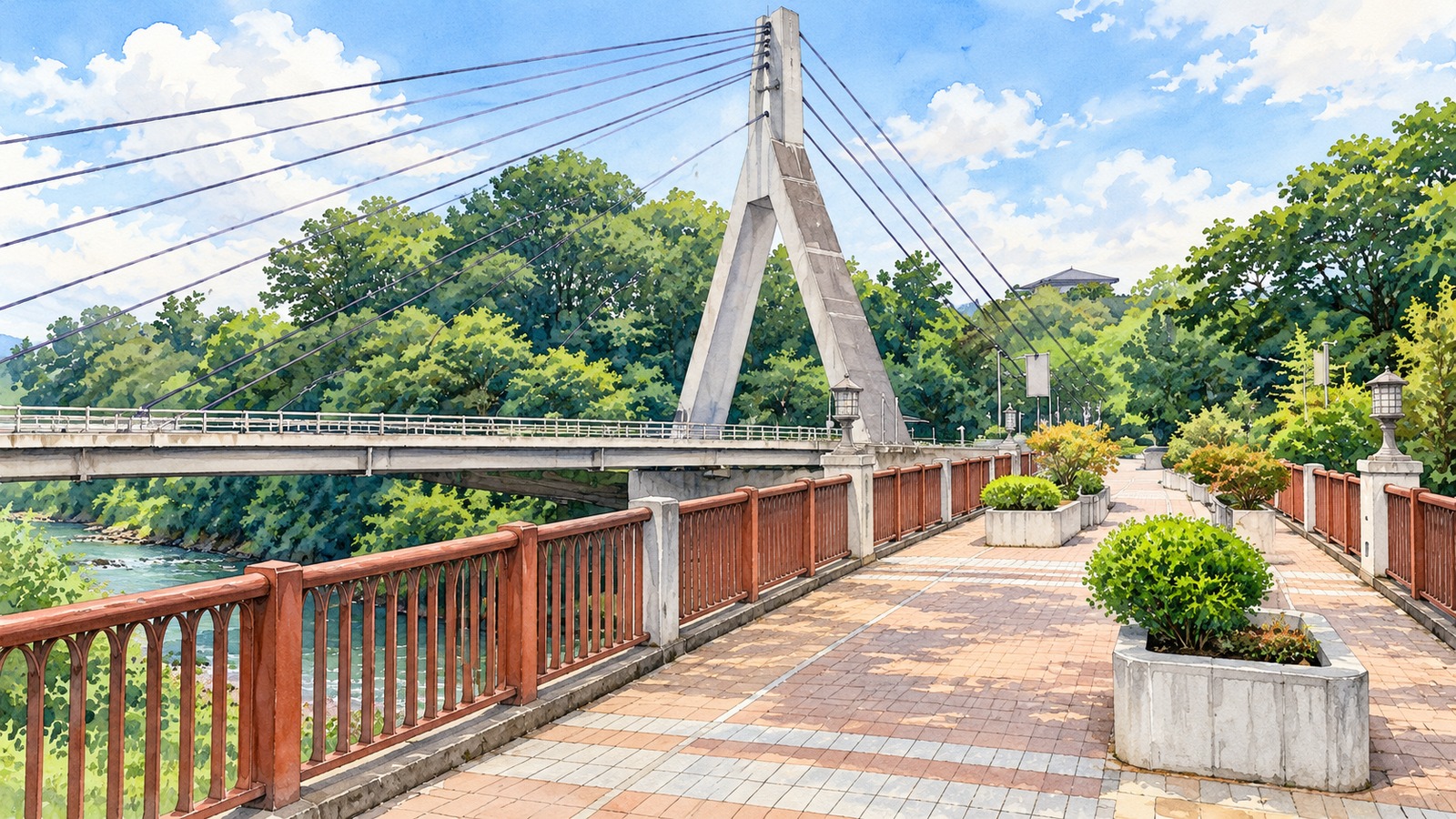
The Former Chichibu Bridge was included in the city’s 10th-anniversary Anohana audio guide. In 2026, a series-related cleanup was also announced for the area, with litter collection and weeding; afterward, the city thanked participants. People who visit to see the scenery from the series have also helped care for the town’s landscape.
Today, you can walk across the 134.6-meter bridge with its three arches as a bridge-top park. Look over the Arakawa River and the neighboring Chichibu Bridge, and recall the first time you watched the series. Part of the pleasure of visiting is seeing the familiar image as a present-day scene where people still pass through.
The 10th-anniversary audio program had separate stops on the bridge and on the stairs below it. Follow local notices during high water or access restrictions. Do not venture onto the riverbed; enjoy the view from the public walkway.
The address is 3795-1 Abocho, Chichibu City, Saitama Prefecture. The former bridge is maintained as a pedestrian-only bridge-top park. Although the limited-time audio program has ended, the views of the river and mountains from the bridge remain open to visitors.
- Location
- 3795-1 Abocho, Chichibu, Saitama Prefecture
- Connection to the series
- A three-arch former bridge featured in the key visual and the series, and a base for the 10th-anniversary audio guide and cleanup activities.
- Visiting conditions
- The bridge-top pedestrian park is open for walking at all times (134.6 m long).
Source: Chichibu City Tourism Division (in Japanese) / Chichibu City Tourism Division (in Japanese) / Chichibu City (in Japanese)
Fudasho No. 17, Jorinji Temple | From memories of the series to temple history
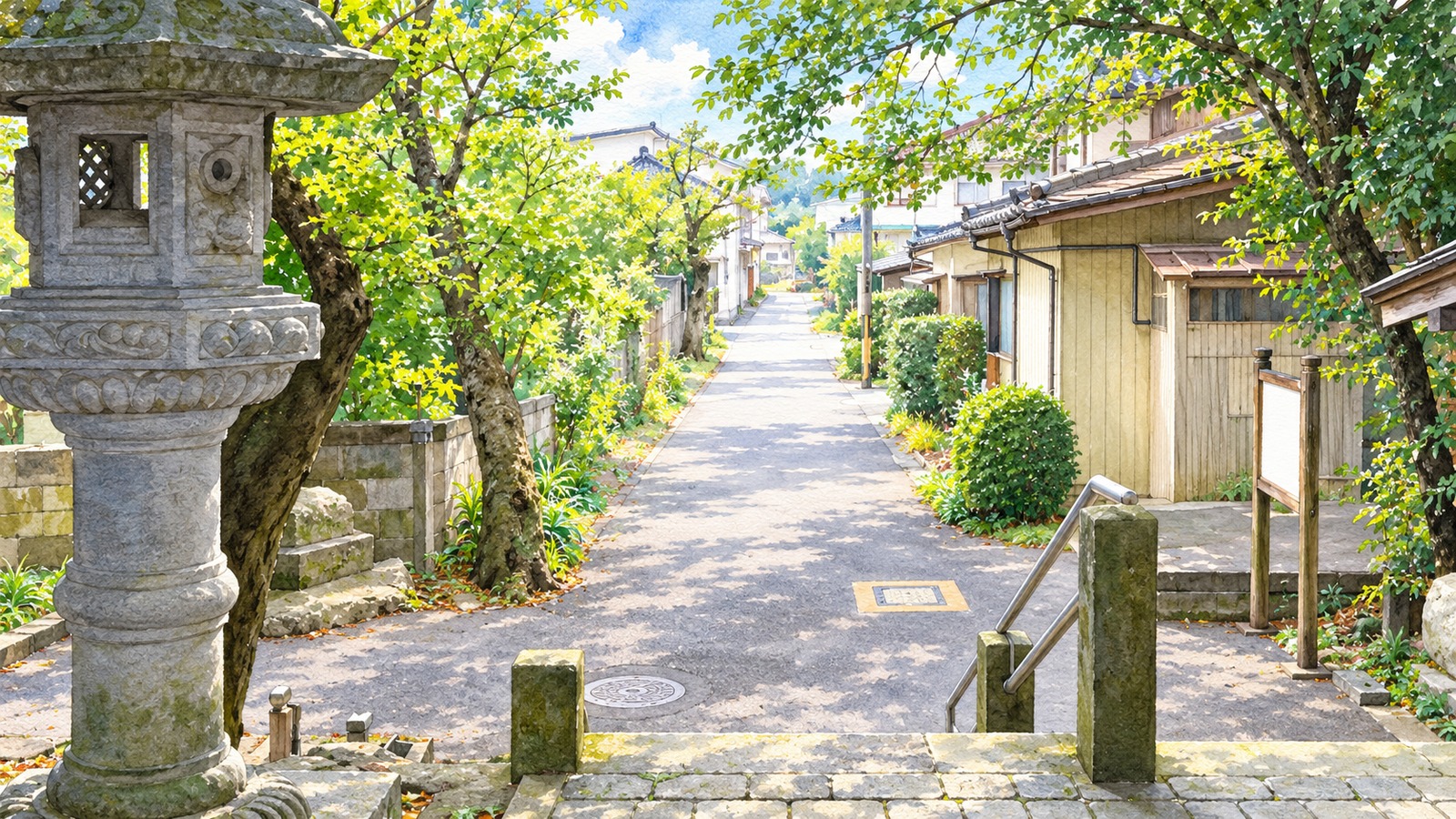
Jorinji Temple is explicitly identified as an Anohana pilgrimage site in the city’s current cycling guide. It was also included in the 10th-anniversary audio guide voiced by Menma. Visitors who discovered the temple through the series can experience the atmosphere of a pilgrimage temple that people still visit today.
The official Chichibu Fudasho guide highlights the corridor surrounding the Kannon hall and the bell in the bell tower. The bell is cast in relief with the principal images of the 100 Kannon temples of Saigoku, Bando, and Chichibu, and is inscribed with devotional poems. The current bell was recast in 1758 and is designated a prefectural tangible cultural property.
When you visit with scenes from the anime in mind, the temple’s architecture, carvings, and quiet moments of worship also come into focus. Walk the grounds while reading the temple’s explanations of its history and cultural properties, and you can sense a depth to Chichibu beyond its role as a setting.
The temple is at 21-3 Sakuragicho, Chichibu. The pilgrimage association lists a walk of about 16 minutes from Chichibu Station on the Chichibu Railway and about 30 minutes from Seibu-Chichibu Station. Visitors can view the exterior of the Kannon hall and the culturally significant copper bell.
- Location
- 21-3 Sakuragicho, Chichibu, Saitama Prefecture
- Connection to the series
- A temple on the Chichibu 34 Kannon Pilgrimage, known as a setting for scenes where the childhood friends gather.
- Visiting and access
- The grounds are open for worship. The prefecturally designated copper bell is on site. About a 16-minute walk from Chichibu Station on the Chichibu Railway or 30 minutes from Seibu-Chichibu Station.
Sources: Chichibu City Tourism Division (in Japanese) / Chichibu City Tourism Division (in Japanese) / Chichibu Fudasho Association (in Japanese)
Keyaki Park | Recall the childhood friends’ story in an everyday park
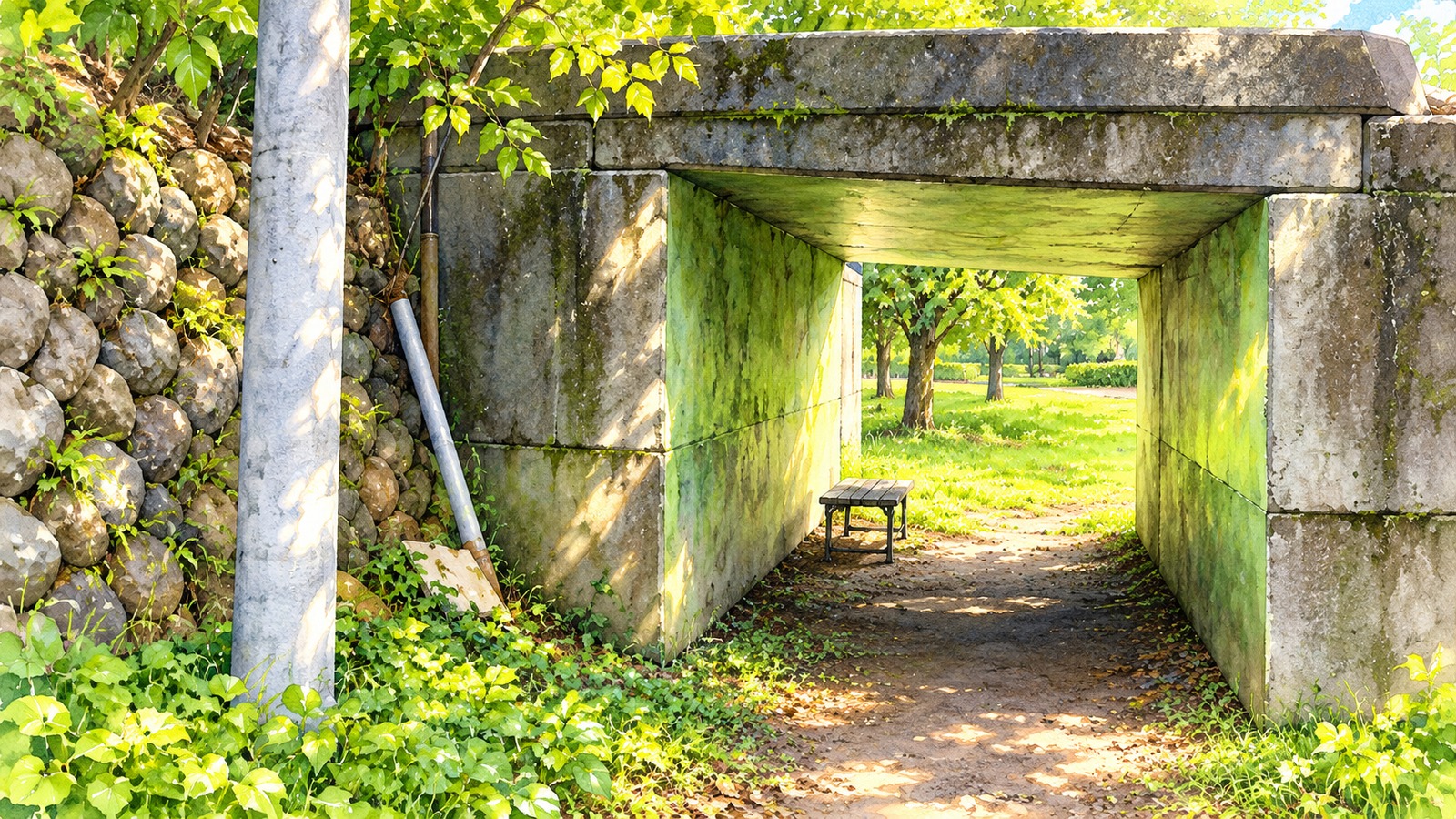
Keyaki Park, together with Jorinji Temple, is introduced as a place connected with Anohana in the city’s current cycling guide. It was also a stop on the 10th-anniversary audio program. This neighborhood park is shared by people who know the series and people who use it in everyday life.
At the heart of the story are childhood friends who once played together but now lead different lives as high school students. Walking through this park, with its trees and benches, can prompt you to think about how a place from childhood looks when you return as an older version of yourself. It is within walking distance of Jorinji Temple, and the quiet neighborhood helps bring back the atmosphere of the story.
The park is at 11 Aioicho, Chichibu, and is managed by the city with public paths and benches. It is a quiet green space in a residential neighborhood, enjoyed by local residents.
- Location
- 11 Aioicho, Chichibu, Saitama Prefecture
- Connection to the series
- An everyday neighborhood park near Jorinji Temple and included as a destination in the city cycling guide and 10th-anniversary audio program.
- Use
- Public paths and benches are freely accessible as a municipal park (within walking distance of Jorinji Temple).
Sources: Chichibu City Tourism Division (in Japanese) / Chichibu City Tourism Division (in Japanese) / Chichibu City (in Japanese)
Hitsujiyama Park Observatory Hill | Take in Chichibu from a little farther away
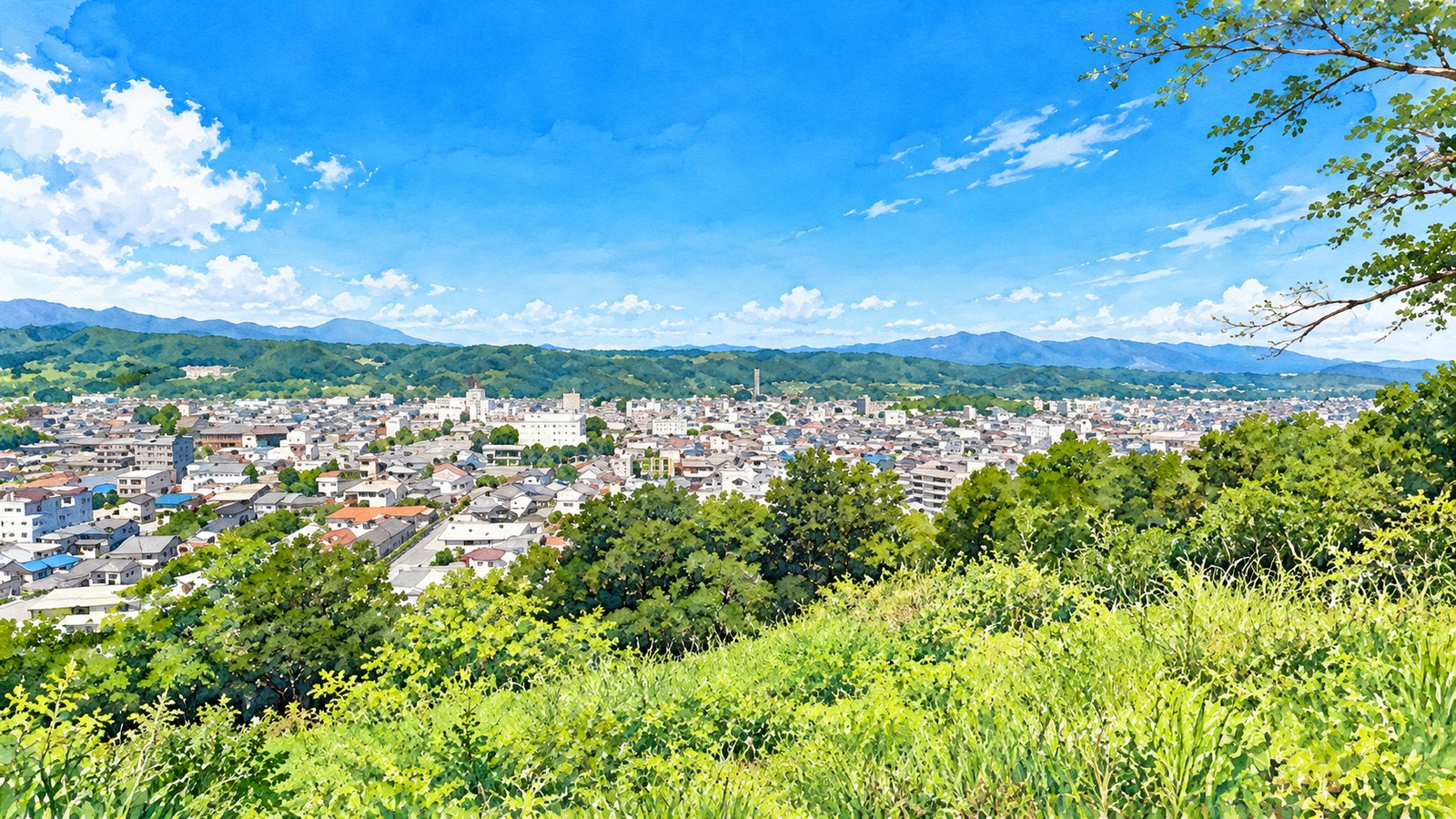
Observatory Hill on the north side of Hitsujiyama Park was selected for the city’s official Menma audio guide in 2021. It offers a broader view of the town during a trip otherwise spent visiting bridges, temples, and shrines up close. From here, you can see how the places you have walked through connect as one city.
In the story, the childhood friends who had been apart each live their own lives. Looking down at the city rooftops and distant mountains from this hill, you may recall the premise of the story: different lives and different stretches of time coexist within one community. As you enjoy the view today, you might also notice how you have changed since you first watched the series.
The city promotes Hitsujiyama Park as a place to enjoy cherry blossoms and a walk. The paid seasonal area at the Shibazakura Hill of moss phlox is separate from the paths at Observatory Hill on the north side, where views of the city are open year-round.
Getting here involves a slope, with a sustained gradual uphill walk. This viewpoint gives you a feel for Chichibu’s terrain as you look across the town and surrounding mountains through the seasons.
- Location
- Omiya, Chichibu, Saitama Prefecture (Observatory Hill, north side of Hitsujiyama Park)
- Connection to the series
- A viewpoint shown in the opening and other footage overlooking central Chichibu, and selected for the 10th-anniversary audio guide.
- Use
- The paths at Observatory Hill are open for walking at all times (separate from the paid spring moss-phlox area).
Sources: Chichibu City Tourism Division (in Japanese) / Chichibu City Tourism Division (in Japanese)
Chichibu Shrine | A city shrine that hosted a nighttime event for the series
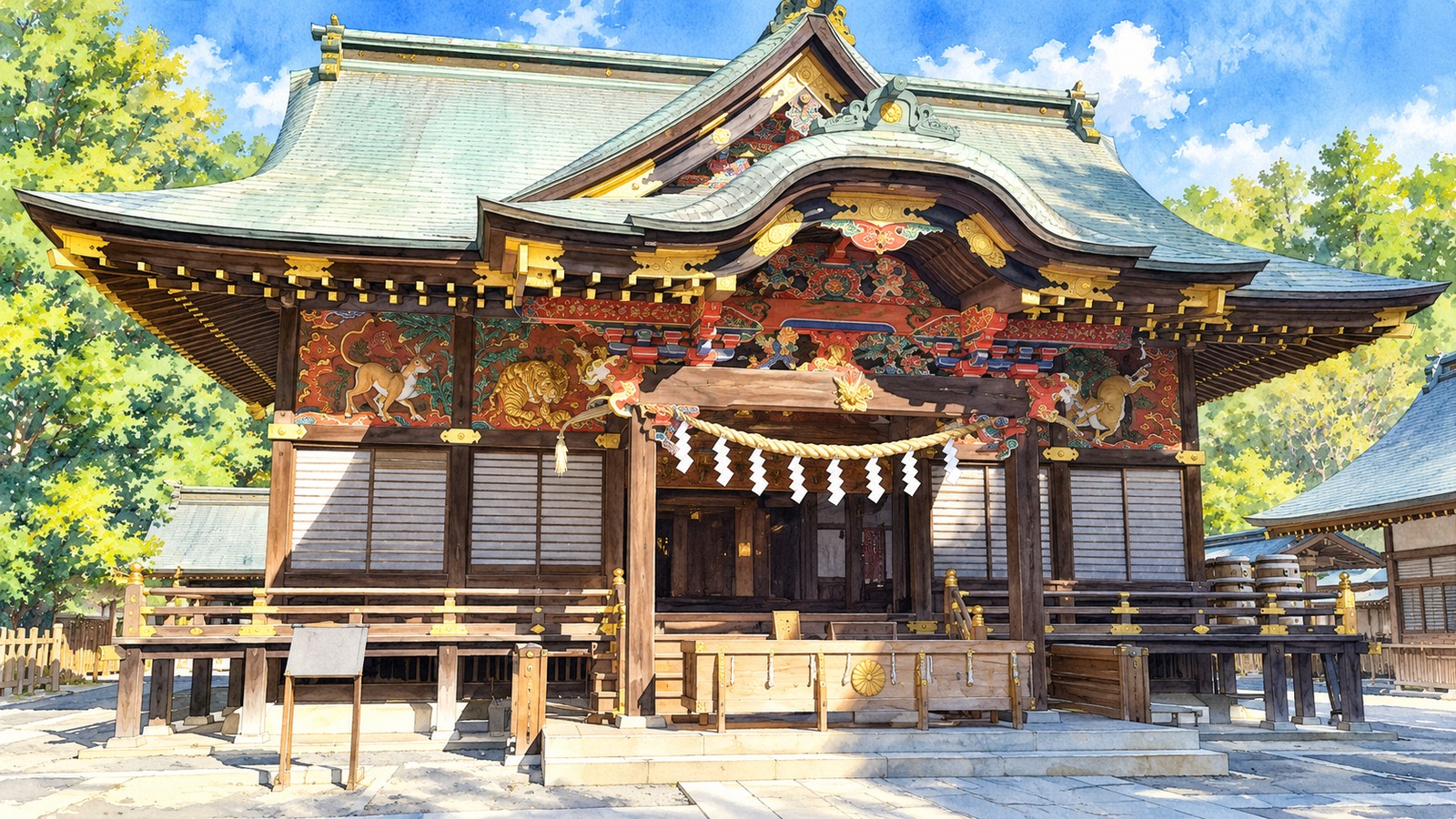
Chichibu Shrine was included in the 10th-anniversary audio guide and hosted the 2021 Anohana NIGHT WALK. It was the setting for an anniversary event that paired the series with nighttime effects in the shrine grounds.
Today, many people visit to worship and see the shrine grounds and the carvings on its main hall. Walking through the quiet grounds by day and looking at details such as the Dragon of Connection and the Child-Rearing Tiger offers a moment to connect with the history of the town.
The shrine is at 1-3 Banbamachi, Chichibu, next to the Chichibu Festival Museum and the streets of Banba-dori. Its central location makes it easy to combine a visit with a walk through the city’s historic district.
- Location
- 1-3 Banbamachi, Chichibu, Saitama Prefecture
- Connection to the series
- An old shrine and the chief guardian of Chichibu, featured alongside the townscape in the series and host of the 2021 10th-anniversary NIGHT WALK.
- Worship and access
- The shrine grounds are open for worship. About a 3-minute walk from Chichibu Station on the Chichibu Railway or 15 minutes from Seibu-Chichibu Station.
Sources: Chichibu City Tourism Division (in Japanese) / Chichibu City Tourism Division (in Japanese)
Chichibu Tourist Information Center | Get current information before exploring
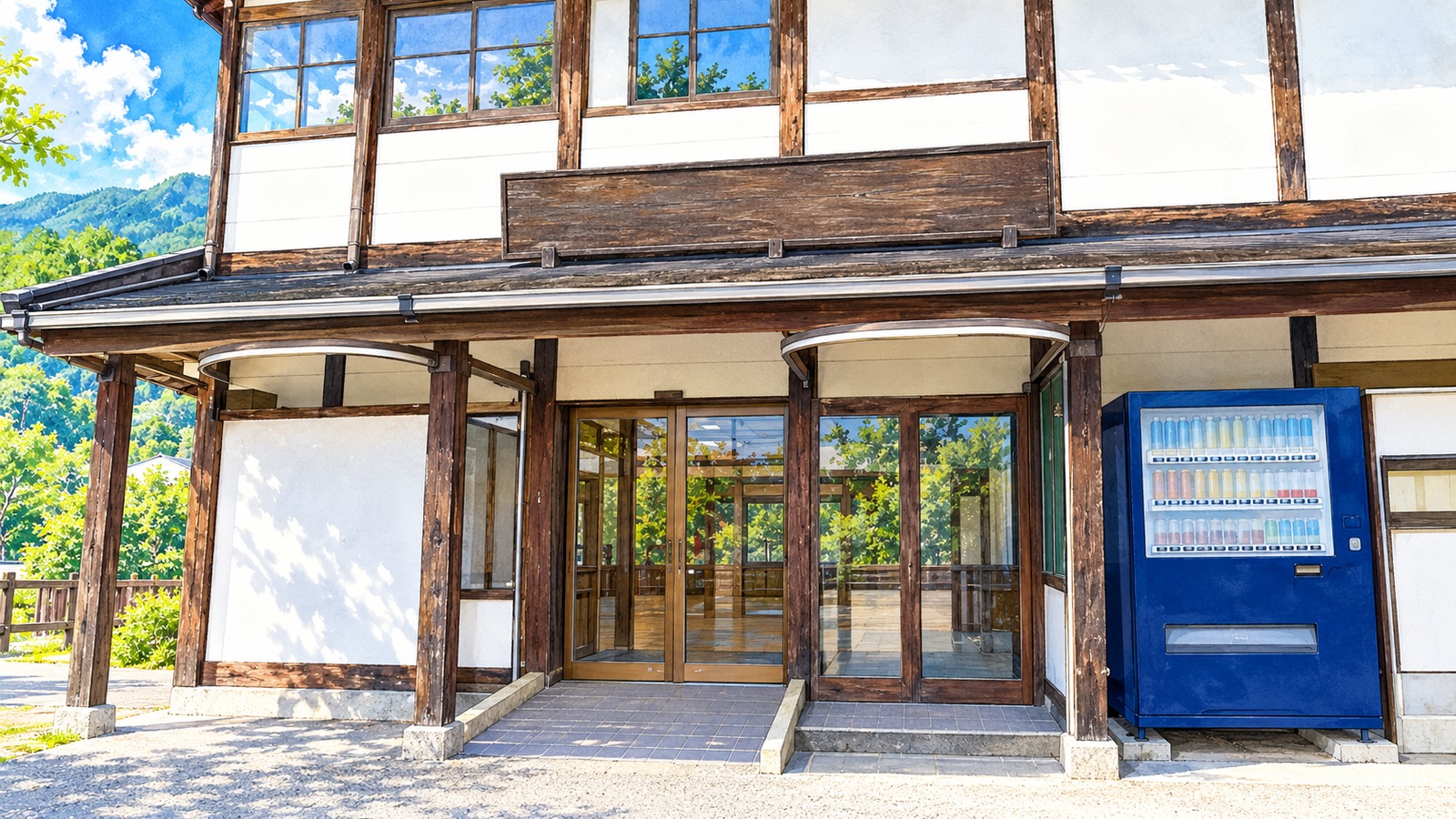
Chichibu Tourist Information Center in front of Seibu-Chichibu Station served as a stamp location and the finish for the 2026 TV anime 15th-anniversary rally. City materials preserve a list of participating facilities and a record of the event. It is one of the gateways that sends fans out to explore the town.
For a visit today, you can gather information for a walk from the tourist desk and its pamphlets. The center also distributes the city’s anime pilgrimage map and provides information about rental bicycles and local buses.
The center is in front of Seibu-Chichibu Station at 1-16-15 Nosakacho. It is open from 9 a.m. to 5 p.m. and closed over the New Year holiday and on the second and fourth Mondays of each month (or the following Tuesday when Monday is a holiday).
- Location
- 3795-1 Abocho, Chichibu, Saitama Prefecture
- Connection to the series
- A tourist information center that provides the anime pilgrimage map and served as a stamp location and finish for the 2026 TV anime 15th-anniversary rally.
- Hours and closures
- 9:00 a.m.–5:00 p.m.; closed on the second and fourth Monday of each month (or Tuesday if Monday is a holiday) and over the New Year holiday.
Sources: Chichibu City Tourism Division (in Japanese) / Chichibu City Tourism Division (in Japanese) / Chichibu Tourism Association (in Japanese)
Chichibu Festival Museum | From a pilgrimage for the series to local festival culture
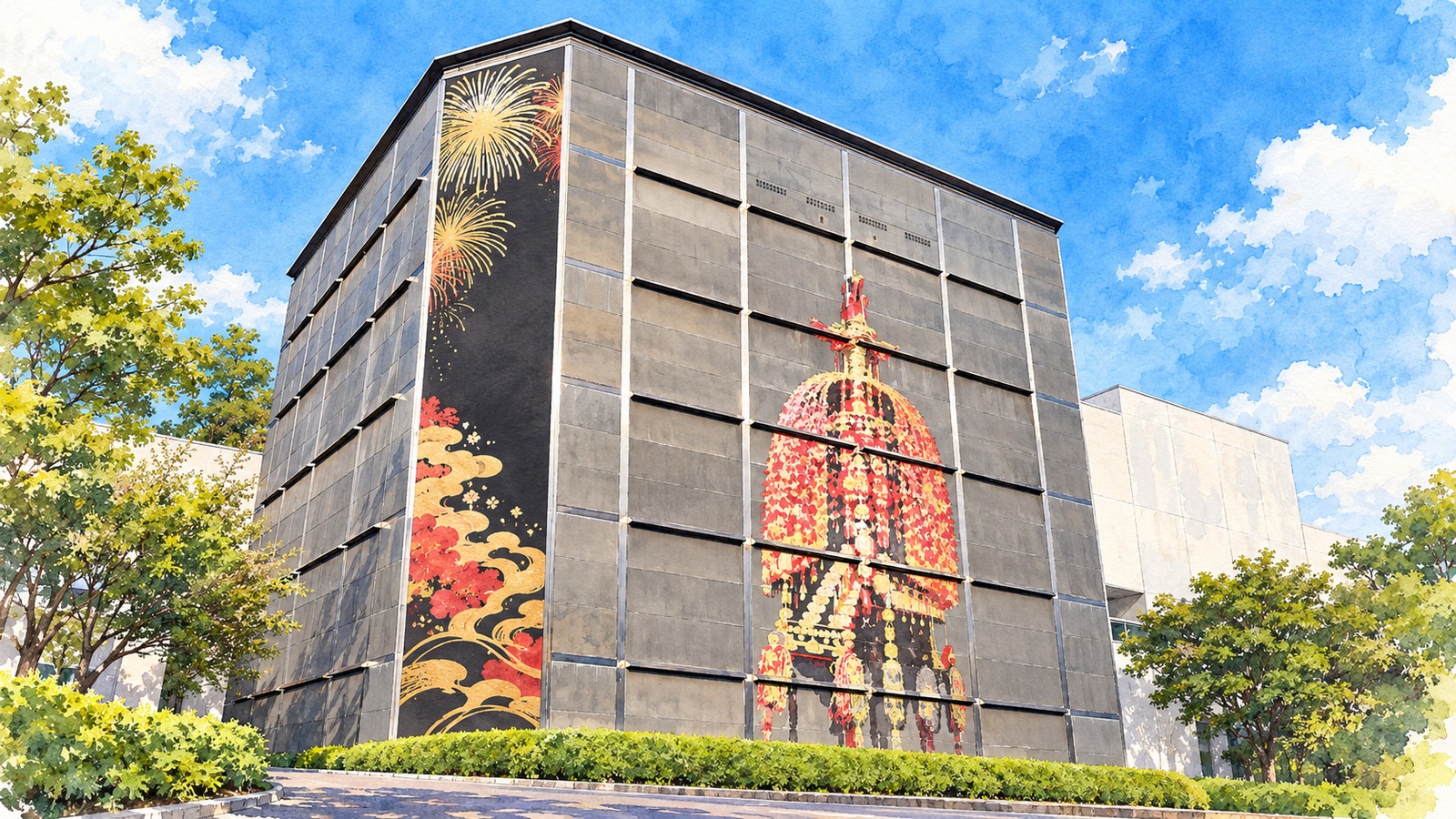
Chichibu Festival Museum was also a stop on the 2026 15th-anniversary rally. It was included in the 10th-anniversary audio guide as well, giving visitors who came for the anniversary walks a chance to learn about Chichibu’s festival culture.
The exhibits introduce the floats, Kasaboko floats, carvings, and banners of the Chichibu Night Festival, held every December. Visitors can also experience the energy of the festival through projection mapping and 3D video. After coming to town for the series, you can learn about the festival traditions that have been passed down here.
The museum is at 2-8 Banbamachi. It is open 9 a.m.–5 p.m. from April through November and 10 a.m.–5 p.m. from December through March; last admission is 4:30 p.m. It is generally closed on the fourth and fifth Tuesdays from March through November, every Tuesday from December through February, and December 29 through January 1. Holidays and festival dates can bring schedule changes, so check the information for your visit along with admission fees.
- Location
- 2-8 Banbamachi, Chichibu, Saitama Prefecture
- Connection to the series
- An exhibition facility about the Chichibu Night Festival that served as a stop on the 10th-anniversary audio guide and a stamp rally location for the 2026 15th anniversary.
- Hours and closures
- April–November: 9:00 a.m.–5:00 p.m. / December–March: 10:00 a.m.–5:00 p.m. (last admission 4:30 p.m.); closed on Tuesdays (the fourth and fifth Tuesdays in some seasons) and December 29–January 1.
Sources: Chichibu City Tourism Division (in Japanese) / Chichibu City Tourism Division (in Japanese) / Chichibu Festival Museum (in Japanese)
Roadside Station Chichibu | From rally finish to shopping and a rest today
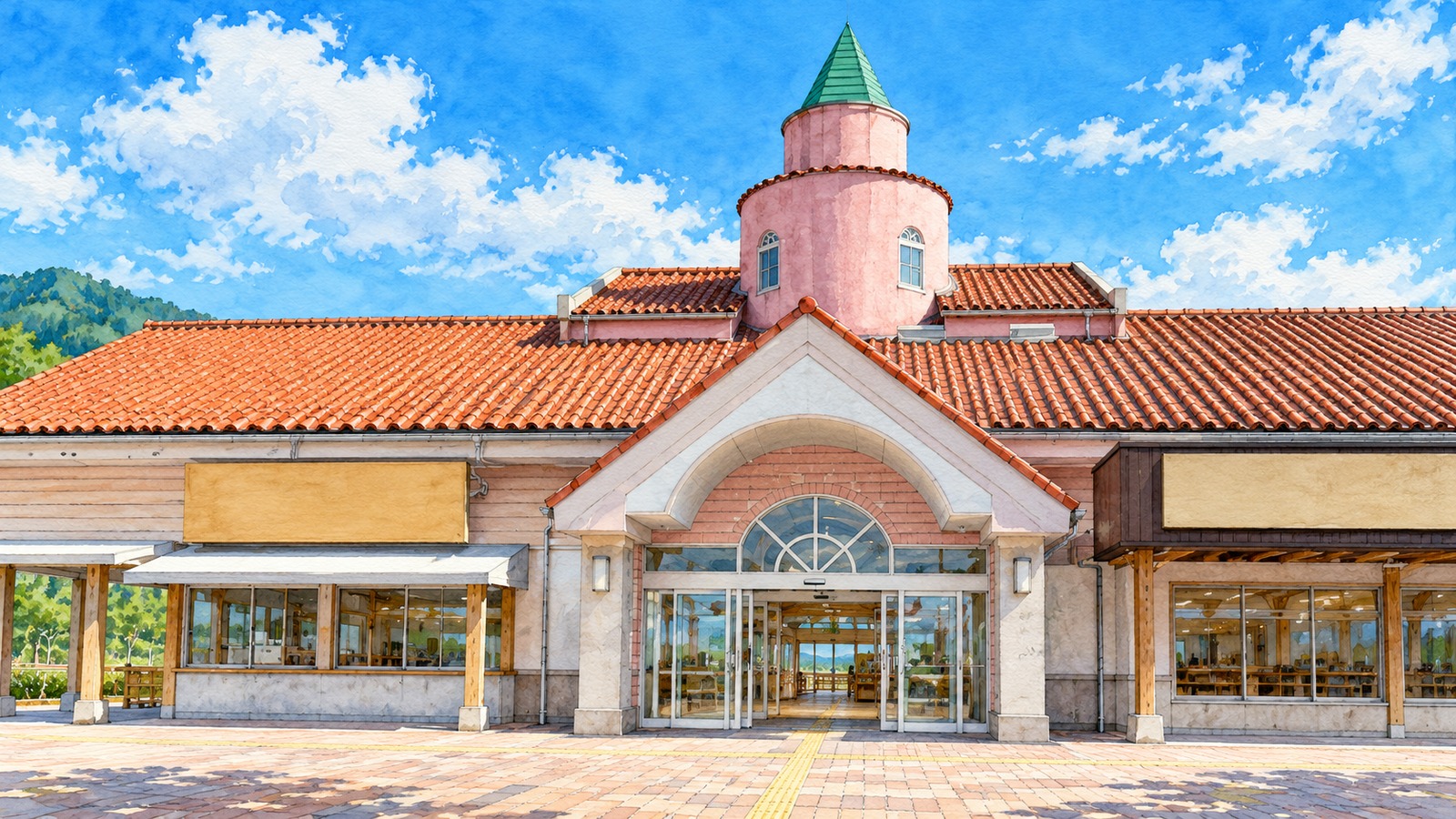
Roadside Station Chichibu was a stamp location and finish for the 15th-anniversary rally and was also included in Menma’s 10th-anniversary audio guide. It has welcomed fans at multiple milestones, serving as a place that connected the town and the series after the broadcast.
Today, visitors can shop for local specialties, eat, and take a break here. The official site also lists “Chichibu Water,” a free drinking-water station. Stop during your walk to sample local food or water. Each restaurant has its own hours, so check the store and individual business information before visiting.
The roadside station is at 4625 Omiya along National Route 140. The shop is generally open 9:30 a.m.–5:30 p.m., and “Chichibu Water” is available 7 a.m.–7 p.m. (8 a.m.–5 p.m. in winter). The official guide asks visitors not to leave cars in the parking lot while going cycling. Please follow this guidance and use the facility for shopping, dining, or a rest.
- Location
- 4625 Omiya, Chichibu, Saitama Prefecture (along National Route 140)
- Connection to the series
- A roadside station included in Menma’s 10th-anniversary audio guide and a stamp location and finish for the 15th-anniversary rally.
- Hours
- Shop: 9:30 a.m.–5:30 p.m.; “Chichibu Water”: 7 a.m.–7 p.m. (8 a.m.–5 p.m. in winter).
Sources: Chichibu City Tourism Division (in Japanese) / Chichibu City Tourism Division (in Japanese) / Roadside Station Chichibu (in Japanese)
Chichibu Regional Products Center | From a 10th-anniversary exhibit to a 15th-anniversary walk
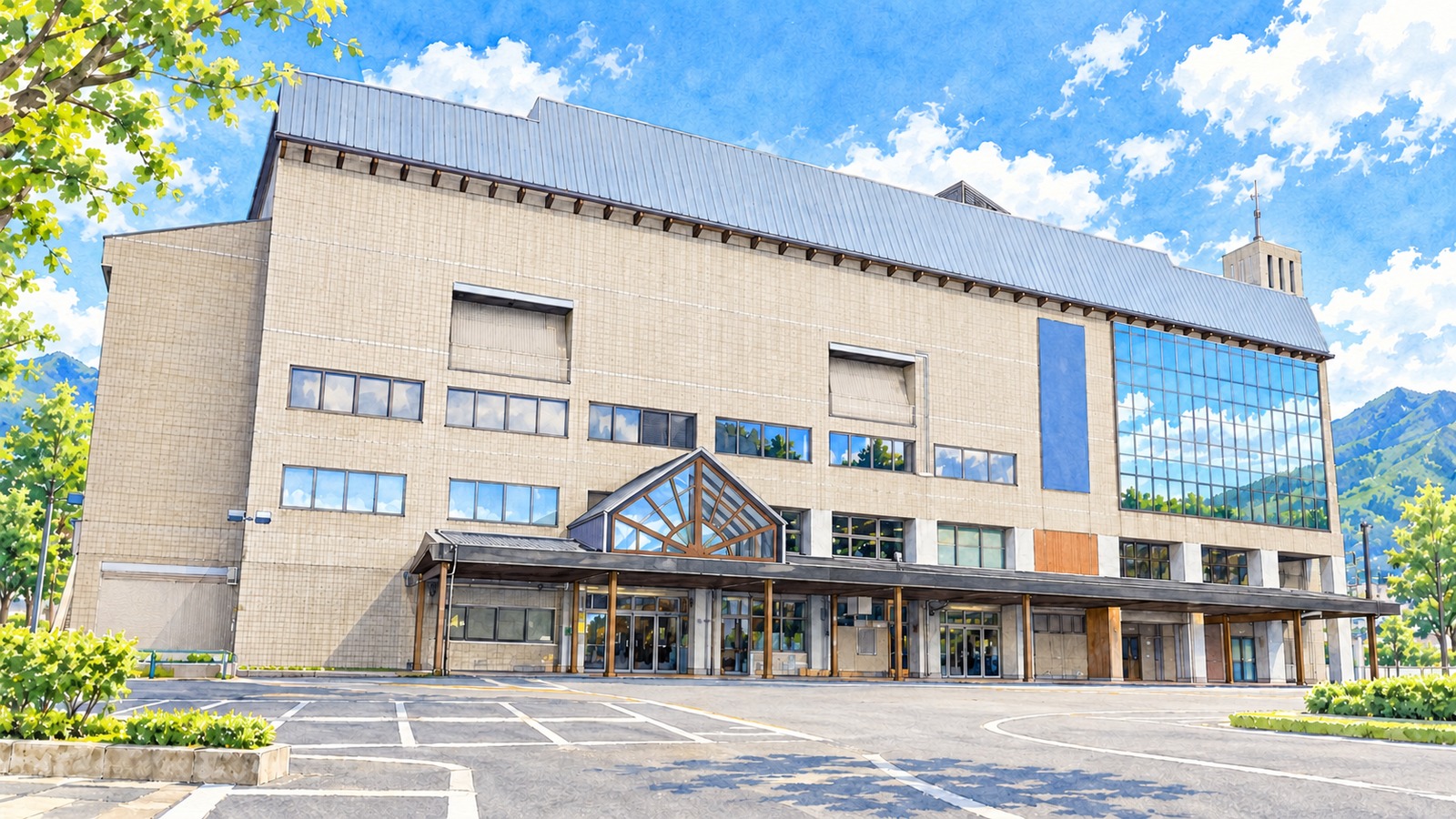
The Chichibu Regional Products Center at Chichibu Station on the Chichibu Railway hosted a special 10th-anniversary exhibition in 2021 and became a venue for the 15th-anniversary rally in 2026. For the 10th anniversary, visitors could see a limited-time recreation of the characters’ secret base and a life-size Menma figure, drawing many fans.
Over time, the same building has hosted both series anniversary events and local product programs. Today, follow the current tenant information to enjoy local shopping and dining at the product store and restaurants.
The center connects directly to Chichibu Station at 1-7 Miyakawacho. The building is generally open 9 a.m.–9 p.m.; the information desk accepts visitors 9 a.m.–5:30 p.m. It is closed December 29–31. Rental-space hours differ from the first-floor product shop and restaurants, so check the hours of the specific business you plan to visit.
- Location
- 1-7 Miyakawacho, Chichibu, Saitama Prefecture (directly connected to Chichibu Station on the Chichibu Railway)
- Connection to the series
- A local-products and community hub that hosted a special exhibition, including a recreation of the secret base, for the 10th anniversary and became a 15th-anniversary rally venue.
- Hours and closures
- Building: 9:00 a.m.–9:00 p.m. (hours for the first-floor product shop and restaurants vary by tenant); closed December 29–31.
Sources: Chichibu City Tourism Division (in Japanese) / Chichibu City Tourism Division (in Japanese) / Chichibu Regional Products Promotion Center (in Japanese)
Hotto Spot Chichibukan | A former merchant inn becomes a resting place for locals and fans
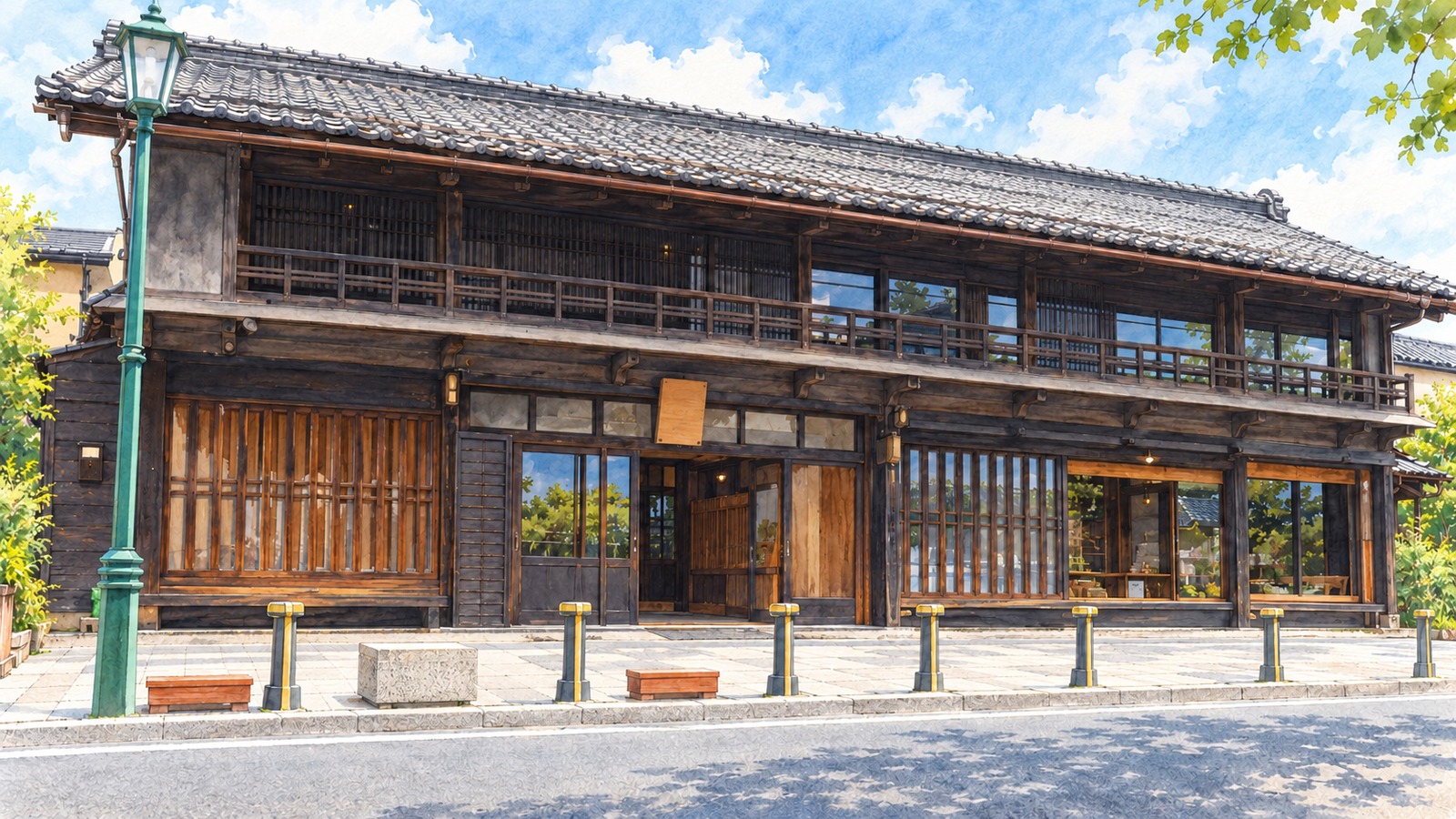
Hotto Spot Chichibukan served as a stamp location and finish for the 2026 rally, and was selected for Menma’s 2021 audio guide. The building is the former Chichibukan merchant inn from the early Meiji period, now used as a community and tourism hub. This historic building in the center of town welcomes both travelers and residents.
The first floor has a free rest area with a large irori hearth, alongside spaces displaying and selling handicrafts and ceramics. The second floor retains its tatami rooms and is used for classes and gallery rentals. It is a place to experience both the atmosphere of a historic building and the creativity of people in the community today.
The center is at 18-2 Miyakawacho and is open 10 a.m.–5 p.m. It is closed Wednesdays and over the New Year holiday, with occasional additional closures. It is about a five-minute walk from Chichibu Station and an 18-minute walk from Seibu-Chichibu Station; there is no dedicated parking. Respect people resting by the hearth and those using the exhibits or rooms, and enjoy a quiet visit.
- Location
- 18-2 Miyakawacho, Chichibu, Saitama Prefecture
- Connection to the series
- A community facility housed in an early-Meiji merchant inn that served as a stop on the 10th-anniversary audio guide and as a stamp rally location and finish for the 15th anniversary.
- Hours and closures
- 10 a.m.–5 p.m.; closed Wednesdays and over the New Year holiday. Admission is free. About a five-minute walk from Chichibu Station.
Sources: Chichibu City Tourism Division (in Japanese) / Chichibu City Tourism Division (in Japanese) / Chichibu City Tourism Division (in Japanese)
Learn more about Anohana | The six friends’ names and the feelings left unspoken
After seeing the bridges and parks, you can return to the people whose memories they evoke. The childhood friends cannot simply go back to how things were, even after they reunite; each has a separate life and feelings. The heart of the story lies in the difficulty and meaning of coming together as they search for Menma’s wish.
The six members of Super Peace Busters: nicknames and real names
Jintan’s real name is Jinta Yadomi, voiced by Miyu Irino. Menma is Meiko Honma, voiced by Ai Kayano. Anaru is Naruko Anjo, voiced by Haruka Tomatsu; Yukiatsu is Atsumu Matsuyuki, voiced by Takahiro Sakurai; Tsuruko is Chiriko Tsurumi, voiced by Saori Hayami; and Poppo is Tetsudo Hisakawa, voiced by Takayuki Kondo. Their childhood nicknames connect the characters they are now.
The official introduction describes Jintan as a shut-in and Anaru as someone easily swayed by her friends. Yukiatsu and Tsuruko attend a high-achieving school, while Poppo does not go on to high school and instead travels. Although the six were once close, by their high school years their places and ways of spending time had changed.
Menma appears as the girl who has not changed since childhood. When Jintan is asked to grant her wish and begins trying to discover what it is, the childhood friends who had been living separate lives gather again. Hearing their old nicknames also gives them a way back into the relationships they once had.
Compare the first and final episodes through the creators’ credits
The first episode is titled “Super Peace Busters.” It begins when Menma suddenly appears before Jintan and asks him to grant her wish. The episode was scripted by Mari Okada, storyboarded and directed by Tatsuyuki Nagai, and animation-directed by Masayoshi Tanaka. The same three creators are credited in their respective roles for the final episode.
At first, the friends set out to discover what the wish is; at the end, they confront a situation that does not conclude even after the fireworks are launched. Comparing the opening and ending reveals that the story is about feelings that cannot be resolved simply by accomplishing a task. Watch the first episode before the trip, then return to the finale afterward, and the meaning of Chichibu’s scenery may resonate even more.
After visiting the bridges and parks, pay attention to the words the six exchange and whose reactions they are waiting for. The same scenery can bring back a richer set of memories. Walking through the town and following the characters’ changes connect naturally as ways to experience the story.
Yukiatsu’s appearance and feelings others could not see
The official synopsis for episode 5, “The Tunnel,” reveals that the Menma Yukiatsu claimed to have seen was actually Yukiatsu himself, dressed as her. The episode shows Jintan and his friends struggling with the truth, and Jintan calling out to Yukiatsu after he collapses.
The episode brings together the question of whether to believe someone’s words and the question of why that person took such an extreme step. Yukiatsu’s inner life cannot be understood from the outside alone, even though he appears to be a top student at an academically competitive school. This is a moment to notice the difference between the life people see and the feelings he carries.
Mari Okada wrote the episode; Takayuki Tanaka handled the storyboard and direction, and Naoto Nakamura was animation director. The shocking action and the pauses between the words that follow are conveyed through an accumulation of expressions and movements. Notice how Tsuruko watches Yukiatsu’s actions, too, and the one-sided feelings among the six begin to come into view.
Can the fireworks fulfill Menma’s wish?
In episode 8, “I Wonder,” Jintan and his friends are shocked to learn that Menma’s father had opposed launching the fireworks. They try to persuade her mother to help fulfill Menma’s wish. Their decision as friends turns out to involve the feelings of her family as well.
Episode 10, “The Fireworks,” shows Menma visiting the altar of Jintan’s mother the day before the wish is to be granted. She notices that her own hands are beginning to look transparent. As the goal approaches, something is changing in Menma’s existence as well.
In the finale, “The Flower That Blooms That Summer,” the fireworks go up, but Menma does not disappear. The official synopsis begins with Jintan stunned by this fact and his friends in despair. Successfully carrying out a major event is not the same as facing Menma’s wish or the friends’ feelings. The late episodes support the story’s core as each character explains why they tried to launch the fireworks.
How Tatsuyuki Nagai, Mari Okada, and Masayoshi Tanaka shaped the characters and town
The series is credited to Super Peace Busters; Tatsuyuki Nagai directed it, and Mari Okada wrote the scripts. Masayoshi Tanaka handled character design and chief animation direction, and A-1 Pictures produced the animation. Consider both the names in the production credits and the nicknames used by the friends in the story.
For the final episode, Nagai handled the storyboard and direction, and Tanaka was animation director. The creators at the center of the series also shaped the characters’ final expressions and the flow between scenes. Ai Yoshimura storyboarded and directed episode 8, and Toshiya Shinohara did the same for episode 10; a wider team of staff supported each episode.
Art direction was by Kōki Fukushima, color design by Kazuko Nakajima, photography and CG direction by Shinji Nasu, editing by Shigeru Nishiyama, and sound direction by Jin Aketagawa. After seeing the real town, return to the anime and notice its colors and light, the spaces around the characters, and the way sound connects the scenes. The names behind those details are another part of the experience.
“Aoi Shiori” and the three voices singing “secret base”
The opening theme, “Aoi Shiori” (“Blue Bookmark”), is by Galileo Galilei. In a comment on the official site, Yuki Ozaki recalled his excitement after seeing the series’ storyboards and described turning the scenery that came to mind into a song.
You can play this video in the official video at the top of this page ↑
The ending theme is a cover of ZONE’s “secret base ~Kimi ga Kureta Mono~.” It is sung by Ai Kayano as Meiko Honma, Haruka Tomatsu as Naruko Anjo, and Saori Hayami as Chiriko Tsurumi. The childhood-friends story is heard in the voices of the three performers who play its characters.
The arrangement is by toku, and sound production is by estlabo, a unit consisting of toku, FuruKawa Honpo, Hachi, and wowaka. The original song’s memories, the characters’ voices, and the arrangement come together. Knowing who sings in which role deepens the connection to the story.
REMEDIOS composed the music for the series. Alongside dialogue, listen for how the score supports moments of silence and changes in scenery. Comparing the sounds of daily life in Chichibu with the carefully crafted sound of the anime can also be a pleasure after the trip.
The anniversary voices and a 15th-anniversary walk through town
For the 2021 10th anniversary, the Sound WALK let visitors explore the city while listening to Menma’s voice performed by Ai Kayano. Seibu Railway also offered a program in which visitors could hear behind-the-scenes stories at the stations. These local initiatives layered voices and story onto the experience of seeing the locations.
The Chichibu portion of the 10th-anniversary events ran from October 2 to December 26, 2021. The nighttime production at Chichibu Shrine ran October 16–31, while the special exhibition at the Regional Products Center ended October 10. The event records show how the town marked the anniversary in different ways at different venues.
The 2026 15th-anniversary rally began April 10 and ended early, on May 5. The city explained that all commemorative buttons had been distributed. The record of many visitors to Chichibu and the city’s careful notice after the early close both tell the story of the town and the series.
- Places connected to the story
Remember through the scenery
The Former Chichibu Bridge, Jorinji Temple, and Keyaki Park. Walk the places highlighted by the city within the areas currently open to visitors.
- Anniversary events
Memories layered with voices
The 10th-anniversary Sound WALK was a limited-time event that connected Menma’s voice with the town.
- Community hubs
Discover the town today
Visit the facilities that supported the rally for tourist information, festival culture, local products, and a place to rest.
Source: Official materials and facility guides
From the broadcast to its 15th anniversary | Milestones for the series and the town
From the TV anime’s spring 2011 debut to a summer festival event, the theatrical film, the 10th-anniversary audio program, and the 2026 15th-anniversary stamp rally, the milestones below trace the series and Chichibu together. Placing home-video releases beside local events shows how the connection continued after the broadcast.
- April 2011The TV anime began airing. Chichibu served as a model for the setting, giving viewers an entry point to visit the town.Broadcast
- August 5, 2012An event was held as part of the Anohana Summer Festival. Footage featuring the voice cast was later included as a limited-edition Blu-ray BOX bonus.Event
- September 4, 2012Volume 1 of the manga adaptation was released, adding a way to experience the story in print alongside the TV anime.Publication
- August 21, 2013A Blu-ray BOX containing all 11 TV episodes went on sale. Both a standard edition with the series and a limited edition with event footage and other extras were offered.Home video
- August 31, 2013The theatrical film premiered, giving viewers who had followed the TV story a chance to return to it on the big screen.Film
- September 18, 2019A limited-time special-price edition of the theatrical film and a music collection were released. The budget edition was produced only through the end of December that year and differed in specification from the standard product.Music
- 2021The series marked its 10th anniversary, with special exhibitions and a Sound WALK held in Chichibu. For a limited time, visitors could walk through town while listening to Menma’s voice.Community
- August 28, 2024A 4K Ultra HD Blu-ray edition of the theatrical film went on sale, adding another home-viewing format.Home video
- April 10, 2026The 15th-anniversary stamp rally began. Five facilities, including the tourist information center, became hubs for exploring the town.Community
- May 5, 2026The rally ended early after all commemorative items were distributed. The city left a notice after the closure to inform people who had planned to visit.Community
Source: Official materials and facility guides
What to watch before and after your trip | All 11 TV episodes and a film edition
If you want to revisit the series before or after walking through Chichibu’s bridges and parks, two options are the Blu-ray BOX containing all 11 TV episodes and the 4K Ultra HD Blu-ray of the theatrical film. They cover different parts of the story and offer different extras.
Revisit all 11 TV episodes in the Blu-ray BOX
For viewers who want to follow the six friends’ changing relationships from the beginning, the standard TV Blu-ray BOX went on sale August 21, 2013 (catalog numbers ANSX-6621–6623; three discs). It contains all 11 episodes, from the first meeting in episode 1 through the finale. Watch the opening episodes before your trip to Chichibu, then revisit the later ones afterward to feel closer to the town and the characters’ emotions.
The Complete Production Limited Edition, released at the same time (catalog numbers ANZX-6621–6625), has a different disc configuration and included extras such as event footage, a 68-page booklet, and audio commentary.
Experience the theatrical film and Chichibu trilogy in 4K
The theatrical film’s 4K Ultra HD Blu-ray was released August 28, 2024 (ANSW-11103), at an official price of ¥7,700, with a runtime of about 99 minutes. Listed specifications include Japanese and English subtitles and stereo and 5.1-channel audio. A player compatible with Ultra HD Blu-ray is required. It was released as part of a 4K edition of the Chichibu trilogy, alongside Tatsuyuki Nagai, Mari Okada, and Masayoshi Tanaka’s The Anthem of the Heart and Her Blue Sky, offering a chance to compare the Chichibu scenery portrayed by the same creative team.
When revisiting the TV anime or film, look at who believes what and where each character hides their feelings while they try to understand Menma’s wish. Watching episodes 5, 8, and 10 followed by the finale brings the progression from outward actions to underlying emotions into sharper focus. It is a way to return from the Chichibu you walked through to the six friends’ story.
Source: Official materials and facility guides
Research memo | A business perspective: anniversary events and ongoing bridge care
In Chichibu, visitors have come to see bridges and shrines from the series, while stamp rallies and audio programs have created opportunities to visit since the broadcast. Cleanup activities have also taken place around the Former Chichibu Bridge. It is useful to consider how the work of organizing new events sits alongside the ongoing work of caring for places that are already destinations.
When assessing a long-running partnership with a series, it is worth recording who helps maintain everyday scenery, not just counting anniversary-event participants. Rally venues, staff who update visitor information, and people who do cleanup work have different roles. Understanding those roles and responsibilities provides a foundation for welcoming the series locally at the next milestone.
Source: Official materials and facility guides
Sources
- Anohana TV anime theme songs (in Japanese)
- Chichibu City Tourism Division (in Japanese)
- Chichibu City — Keyaki Park / Chichibu City (in Japanese)
- Anohana TV anime product information (in Japanese)
- Chichibu City Tourism Division — Cherry blossoms at Hitsujiyama Park (in Japanese)
- Anohana TV anime introduction (in Japanese)
- Chichibu Regional Products Promotion Center (in Japanese)
- Official Anohana theatrical film site (in Japanese)
- Anohana TV anime character profiles (in Japanese)
- Roadside Station Chichibu (in Japanese)
- Chichibu Festival Museum (in Japanese)
- Anohana TV anime, Episode 8: “I Wonder” (in Japanese)
- Chichibu Tourism Association (in Japanese)
- Anohana TV anime, Episode 10: “The Fireworks” (in Japanese)
- Anohana theatrical film goods (in Japanese)
- Chichibu City Tourism Division — Anohana Sound WALK (in Japanese)
- Anohana theatrical film — 4K Ultra HD Blu-ray (in Japanese)
- Anohana TV anime, Episode 5: “The Tunnel” (in Japanese)
- Anohana TV anime, finale: “The Flower That Blooms That Summer” (in Japanese)
- Chichibu Fudasho Association (in Japanese)
- Anohana TV anime episode synopses (in Japanese)
- Chichibu City Tourism Division — Cycling map (in Japanese)
- Official Anohana TV anime site (in Japanese)
- Anohana TV anime staff and cast (in Japanese)
- Chichibu City Tourism Division — Hotto Spot Chichibukan (in Japanese)
- Anohana theatrical film — Special-price edition and CD release announcement (in Japanese)
- Chichibu City Tourism Division — Chichibu pilgrimage information for Anohana, The Anthem of the Heart, Her Blue Sky, and Kamina Botann (in Japanese)
- Aniplex Channel (YouTube)
- Official anime site — Theme songs (in Japanese)
- Chichibu City — Former Chichibu Bridge (in Japanese)
Dates, hours, and ticket details reflect the information available when this article was written. Check each official site for the latest information before visiting.
FAQ
Do all 10 places appear in the anime itself?
The guide includes bridges and parks the city identifies as places connected with Anohana, as well as facilities that supported anniversary events after the broadcast. It covers both locations that inspired the story and community hubs for stamp rallies and exhibitions.
Can I still use Menma’s audio guide?
The Anohana Sound WALK held in 2021 was a limited-time event and has ended. You can visit the town within the areas currently open to the public and look back on the event through its archived records.
Can I still get a stamp or commemorative button from the 15th-anniversary rally?
The 15th-anniversary stamp rally in spring 2026 ended on May 5 after all commemorative items had been distributed. The facilities remain open for their regular visitor information, shopping, and rest services.
Are Chichibu Station and Seibu-Chichibu Station the same station?
No. They are separate stations. The Chichibu Tourist Information Center is in front of Seibu-Chichibu Station, while the Regional Products Center is connected to Chichibu Station on the Chichibu Railway. Walking between them takes about 15 minutes.
Does the standard TV Blu-ray BOX include event footage?
The standard edition (catalog numbers ANSX-6621–6623) contains only the 11 TV episodes. Event footage and the booklet are extras in the Complete Production Limited Edition (ANZX-6621–6625).
Can I drive across the Former Chichibu Bridge?
The Former Chichibu Bridge is now maintained as a pedestrian bridge-top park. Vehicles use the neighboring current Chichibu Bridge. You can walk across the former bridge and look out over the Arakawa River and Chichibu Bridge.
Is it better to explore on foot or by bicycle?
Chichibu Shrine, Jorinji Temple, and the station-area facilities are reachable on foot. To continue to the Former Chichibu Bridge or Observatory Hill in Hitsujiyama Park, consider combining a rental bicycle or bus with walking.


