

Yuzu Pilgrimage: Ten Places From Okamura to Tokyo and Yokohama
On the hill at Shimizugaoka Park in Yokohama stands an enoki tree featured on the cover and in the video for “Karappo.” A single tree spreads its branches against the open sky. You can take in the landscape linked to Yuzu’s song and photos from the park’s observation point.
From the Okamura neighborhood where Yujin Kitagawa and Koji Iwasawa grew up, to Shibuya, where they held their first ticketed solo concert, Yoyogi Park, where they filmed a music video, and Yokohama venues where they have performed repeatedly: visit ten places in Yokohama and Tokyo while tracing each connection through photos, songs, videos, and live shows.
From One Tree to Major Venues | Ten Places That Show Yuzu’s Ties to Place
Okamura Tenmangu Shrine and neighboring Okamura Park form one walkable area. From a neighborhood park and residential streets to Shibuya’s slopes and the newest arena in Minato Mirai, ten stops connect with records from Isogo Ward’s feature article and official videos.
① Shimizugaoka Park Observation Point
An enoki tree stands by the hilltop observation point. Featured on the cover and in the video for “Karappo,” it is a beloved place known as the “Karappo Tree.”
Explore Shimizugaoka Park Observation Point② Okamura Tenmangu Shrine and Okamura Park
A shrine with a Yuzu mural moved from Yokohama Matsuzakaya in 2008, and the adjoining park where the duo practiced and held concerts around the time of their debut.
Explore Okamura Tenmangu Shrine and Okamura Park③ Sannodai Ruins and Archaeological Museum
A historic site with reconstructed pit dwellings from the Jomon, Yayoi, and Kofun periods. Photos for the “Sumire” album booklet were taken here.
Explore the Sannodai Ruins and Archaeological Museum④ Nakakubo Park
Named in Yuzu’s 1997 song “Okamura Muramura Boogie Woogie,” this neighborhood park is introduced as a place the duo remember playing as children.
Explore Nakakubo Park⑤ Orion Sports
A local sporting-goods shop in Okamura that carries the Okamura Junior High School tracksuits the duo wore for street performances in Isezakicho.
Explore Orion Sports⑥ Shiken Road
A neighborhood road through Okamura in Isogo Ward, where the duo grew up, and the title of Yuzu’s 2014 song “Shiken Road.”
Explore Shiken Road⑦ Shibuya Koen-dori
A Shibuya street connected to the memory of the theater where Yuzu held its first ticketed solo concert in 1998, and where the music video for the 2018 song “Koen-dori” was filmed early in the morning.
Explore Shibuya Koen-dori⑧ Yoyogi Park
A leafy metropolitan park continuing from Shibuya Koen-dori. The duo cycled through it and filmed selfie footage for the “Koen-dori” music video.
Explore Yoyogi Park⑨ K-Arena Yokohama
A Minato Mirai music arena where Yuzu headlined the opening concert “HIBIKI” in fall 2023, performing in both a stripped-down vocal-and-guitar format and with a full band.
Explore K-Arena Yokohama⑩ Pia Arena MM
The venue for Day 3, “Shin Tenchi,” of the 2020 online tour “AGAIN,” where performances moved from inside the arena to views of Minato Mirai at night.
Explore Pia Arena MM
Shimizugaoka Park | The “Karappo Tree” Is an Enoki on a Hill
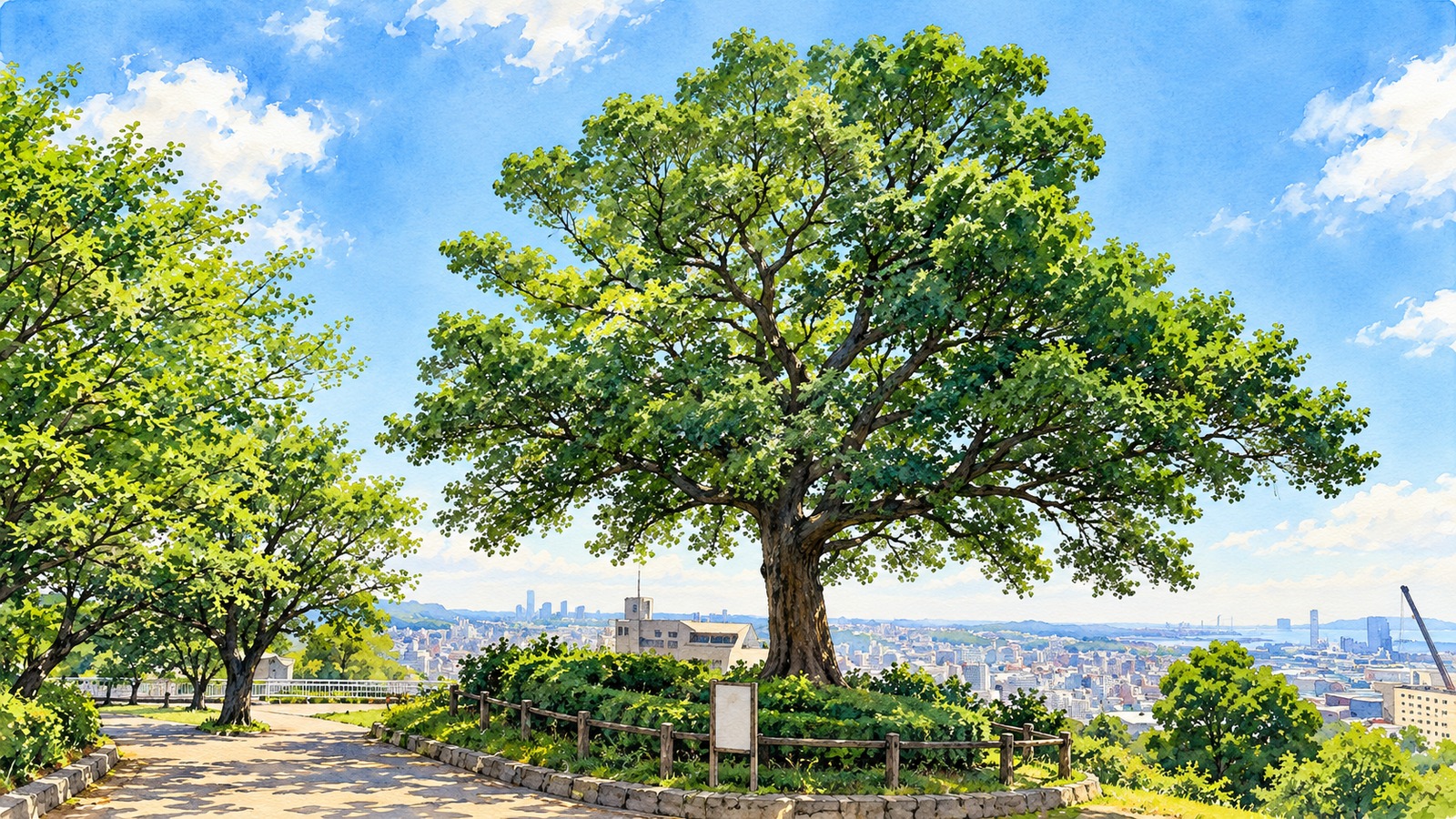
The enoki tree by the observation point at Shimizugaoka Park appears on the cover and in the video for “Karappo.” Information from Seibu Group, which helps manage the park, also records its connection to the song. The place is affectionately known among fans as the “Karappo Tree,” bringing visitors closer to the scenery of the song.
It is an enoki, not a yuzu tree. Once you climb the hill, notice not only the spread of its branches but also how widely the sky opens up around it. If you remember the album cover, you can compare the image cropped around the tree with the full hillside view over Yokohama.
Years have passed since the photos and video were made, and both the shape of the branches and the surrounding scenery have gradually changed. Instead of searching for precisely the same shape, this visit invites you to enjoy meeting the tree as it is today, with the song in mind. Please admire it quietly from the maintained path rather than climbing its branches or compacting the soil around its roots.
The park is at 87-2 Shimizugaoka, Minami Ward, Yokohama. Its grassy observation point shares the park with sports facilities including a gymnasium and pool. After climbing the slope and stairs to the high ground, take your time at the observation point and enjoy the open sky and breeze.
- Address
- 87-2 Shimizugaoka, Minami Ward, Yokohama, Kanagawa
- Connection to Yuzu
- The enoki at the observation point, featured in the jacket photo and music video for Yuzu’s third single “Karappo” and known as the “Karappo Tree”
- Visiting conditions
- Open to visitors at all times from the park’s lawn and paths
Sources:Seibu Group park management / Seibu Location Service / Seibu Group park management / Seibu Location Service
Okamura Tenmangu Shrine and Okamura Park | A Mural That Moved, and Where the Duo Practiced
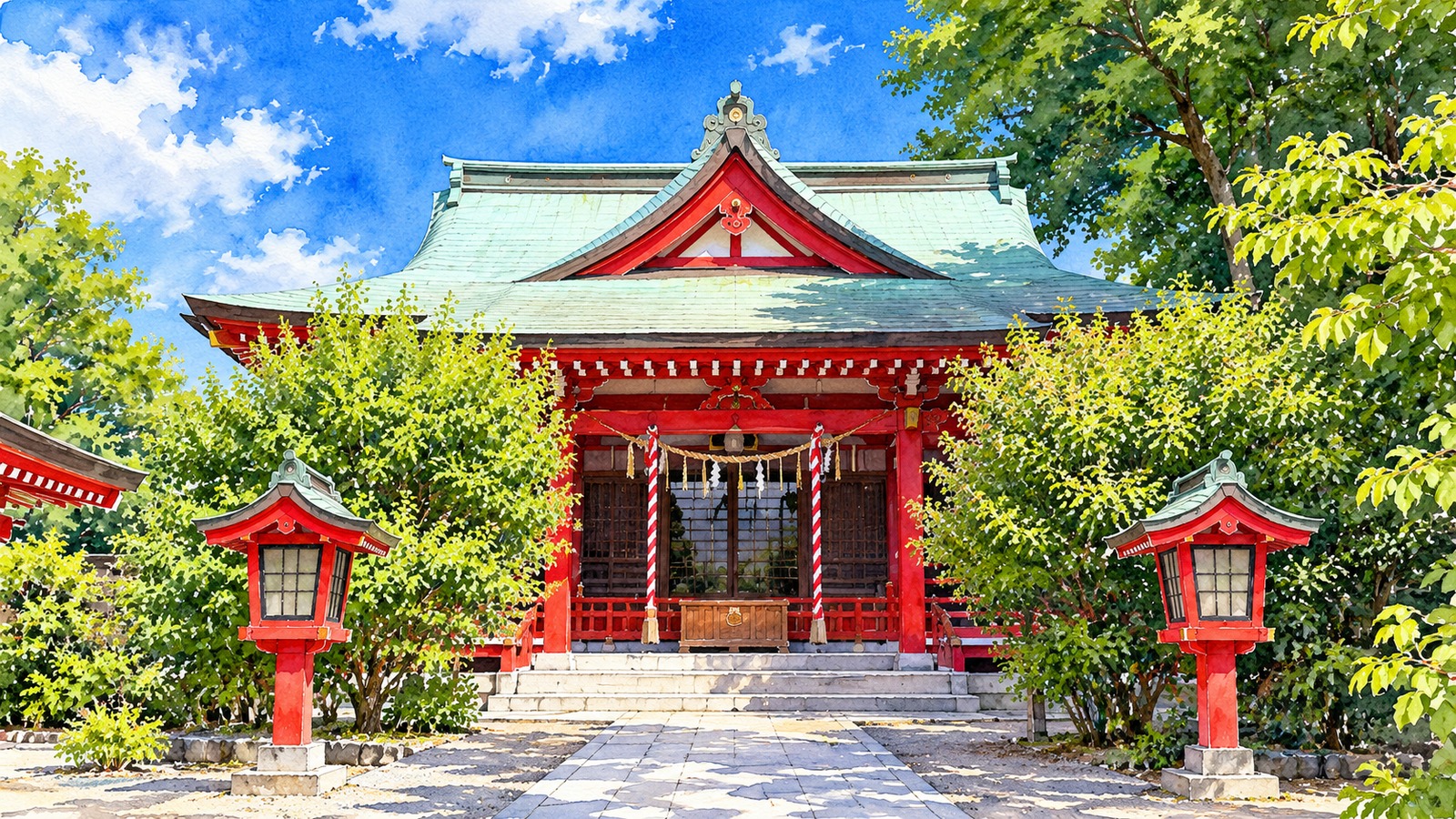
The Yuzu mural at Okamura Tenmangu Shrine originally stood at Yokohama Matsuzakaya in Isezakicho. It was moved here in 2008, bringing it to the neighborhood where the two musicians grew up.
Their time performing in Isezakicho and their life in Okamura each have their own history. The relocated mural offers a way to encounter the connection between these two places.
Neighboring Okamura Park is another place linked to the duo: Isogo Ward’s official article records that they practiced there and held concerts shortly after their debut. After seeing videos from major venues, visiting the park makes it easier to picture the scale of the early days, when their work began with hours of practice carrying their instruments.
The shrine and park are in Okamura 2-chome, Isogo Ward. The approach from the shrine to the park includes slopes and stairs, so allow time for the walk. Share the grounds with worshippers and local people exercising or strolling, as you visit both the mural and the memories of practice. The view of Yokohama from the high-ground plaza is another way to get to know Okamura today.
- Address
- 2-13-11 to 2-17 Okamura, Isogo Ward, Yokohama, Kanagawa
- Connection to Yuzu
- A shrine with a Yuzu mural moved from the former Yokohama Matsuzakaya in 2008, and the adjacent park where the duo practiced and performed around the time of their debut
- Worship and walking conditions
- Shrine grounds open for worship; park open for walking
Sources:Okamura Tenmangu Shrine / Isogo Ward Office, Yokohama City
Sannodai Ruins and Archaeological Museum | From the “Sumire” Photos to Ancient Life
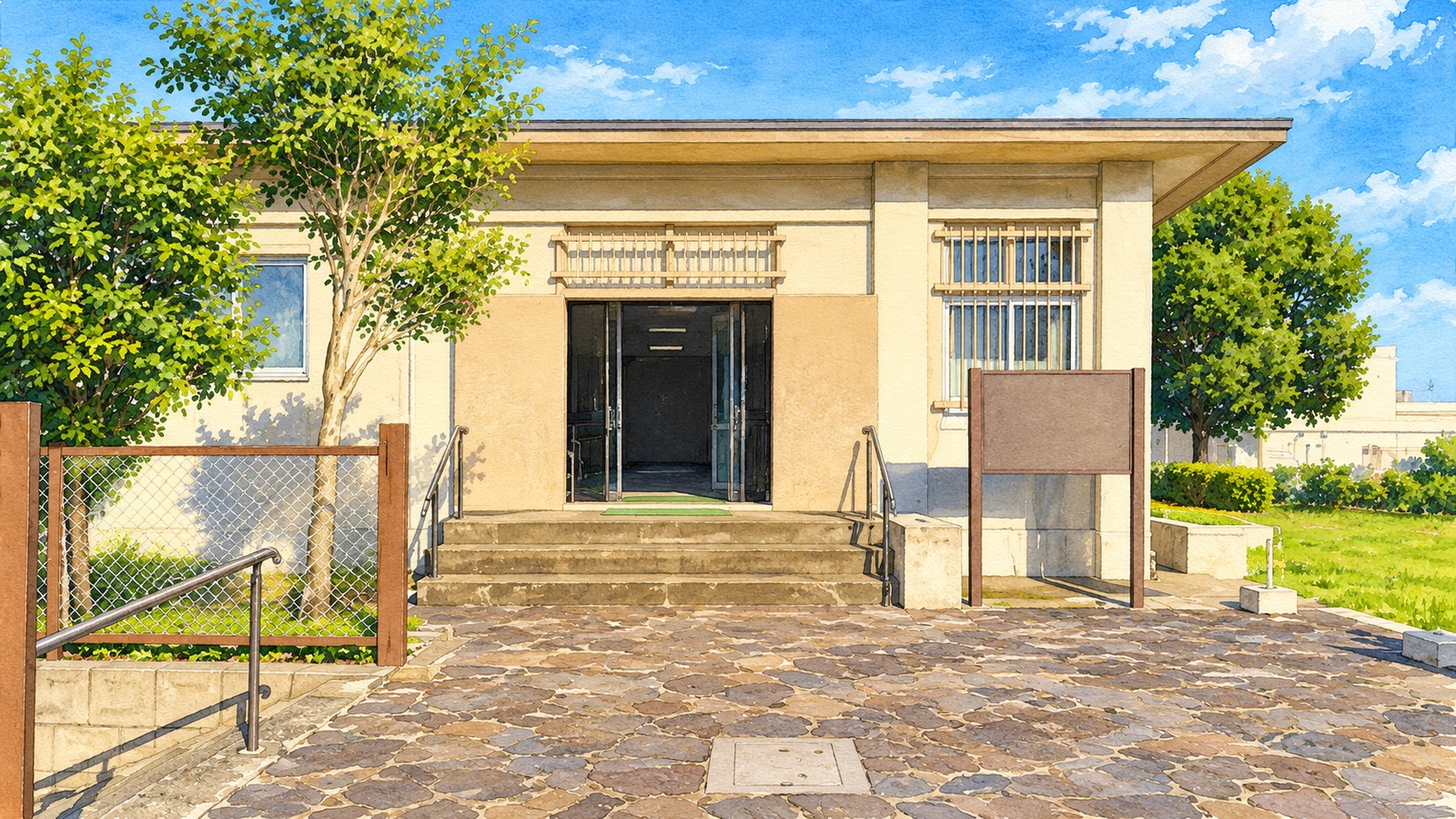
Photos taken at the Sannodai Ruins appear in the booklet for the album “Sumire.” Isogo Ward’s official visitor information explicitly records the connection between the album and this location.
This is the site of settlements spanning the Jomon, Yayoi, and Kofun periods, with reconstructed pit dwellings arranged on a low hill. Visiting it as a place that tells the region’s history gives the background of the album photos another dimension.
Within the visitor area, you can also see the interiors of reconstructed dwellings and displays of excavated artifacts. Follow the marked route around the grounds as you compare the booklet photos with the present-day view. After looking at the shape of the thatched roofs and the light inside the dwellings, open the booklet again and the photos may leave a different impression.
The site is at 4-11-22 Okamura, Isogo Ward, Yokohama. It is open 9 a.m.–4 p.m. (until 5 p.m. from April through September) and closed Mondays (or the following day when Monday is a holiday), as well as December 28 through January 4. Unlike the surrounding park, which is open at all times, this historic site has set opening hours.
- Address
- 4-11-22 Okamura, Isogo Ward, Yokohama, Kanagawa
- Connection to Yuzu
- A nationally designated historic site with reconstructed pit dwellings, where photos for the “Sumire” album booklet were taken
- Hours and closing days
- 9 a.m.–4 p.m. (until 5 p.m. April–September); closed Mondays (or the following day when Monday is a holiday) and December 28–January 4
Sources:Isogo Ward Office, Yokohama City / Yokohama Sannodai Archaeological Museum (Yokohama History Foundation)
Nakakubo Park | A Childhood Place Remembered in “Okamura Muramura Boogie Woogie”
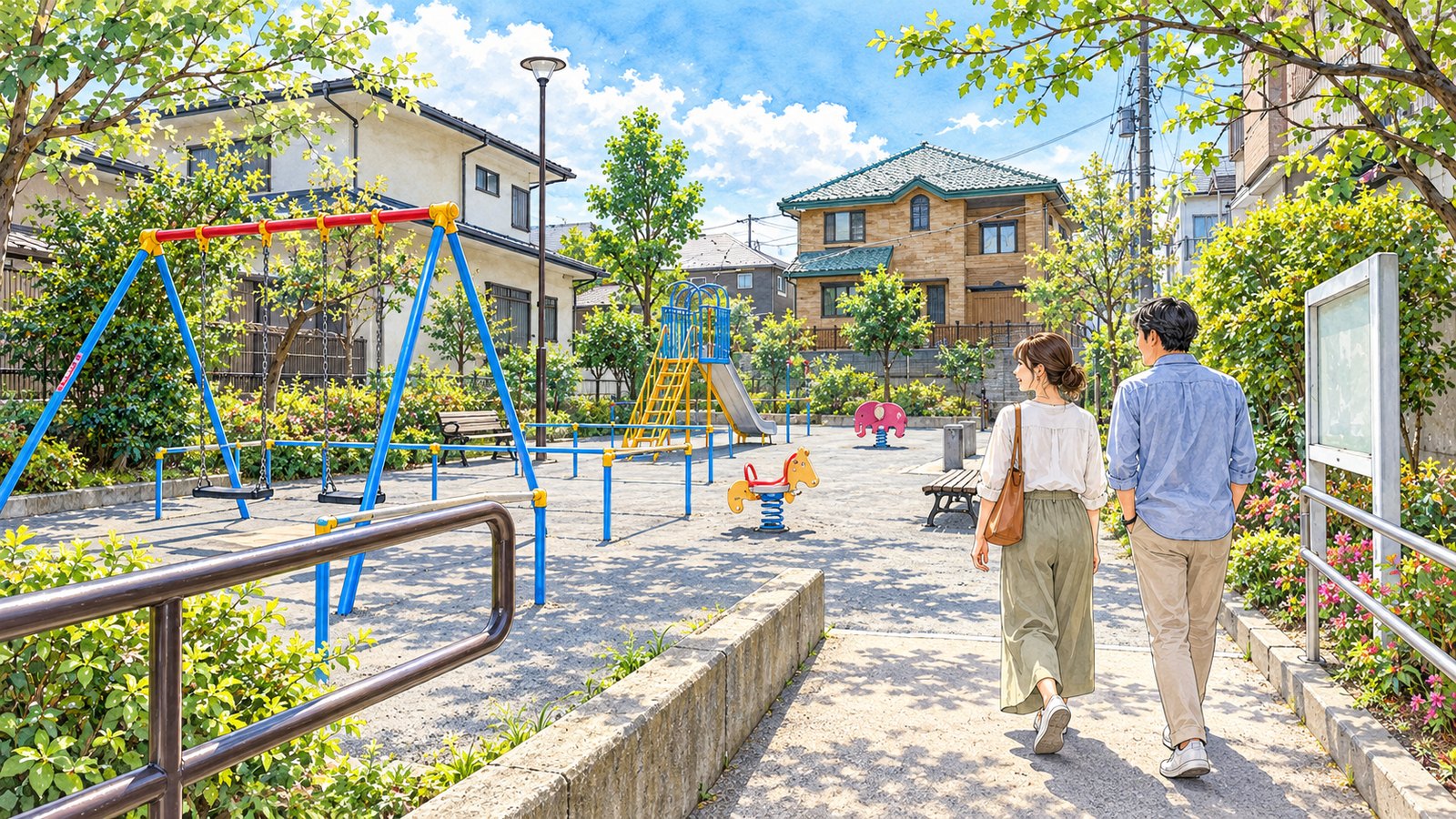
Nakakubo Park appears in Yuzu’s 1997 song “Okamura Muramura Boogie Woogie.” Isogo Ward’s official article also identifies it as a place the two remember playing as children. It is a stop where you can sense the closeness between neighborhood life and the song, without the scale of a major tourist attraction.
This small site in a residential area has playground equipment such as a slide and swings. A name heard in a song still belongs to a place where children play in the neighborhood today. Standing here gives a tangible sense of how Yuzu’s early songs drew on familiar scenery.
Because it is a small park in a residential neighborhood, the children playing and the lives of nearby residents come first. The benches and playground equipment give a sense of the town’s scale captured in the song. Walking here along with the Sannodai Ruins and Okamura Park also helps you understand the terrain of this hillside neighborhood.
- Address
- Okamura, Isogo Ward, Yokohama, Kanagawa (Nakakubo Park)
- Connection to Yuzu
- Neighborhood park named in the 1997 song “Okamura Muramura Boogie Woogie” and remembered as a place the duo played as children
- Visiting conditions
- Open as a small neighborhood park (please be considerate of children using the playground and nearby homes)
Sources:Isogo Ward Office, Yokohama City
Orion Sports | Learning About Street-Performance Tracksuits at a Local Shop
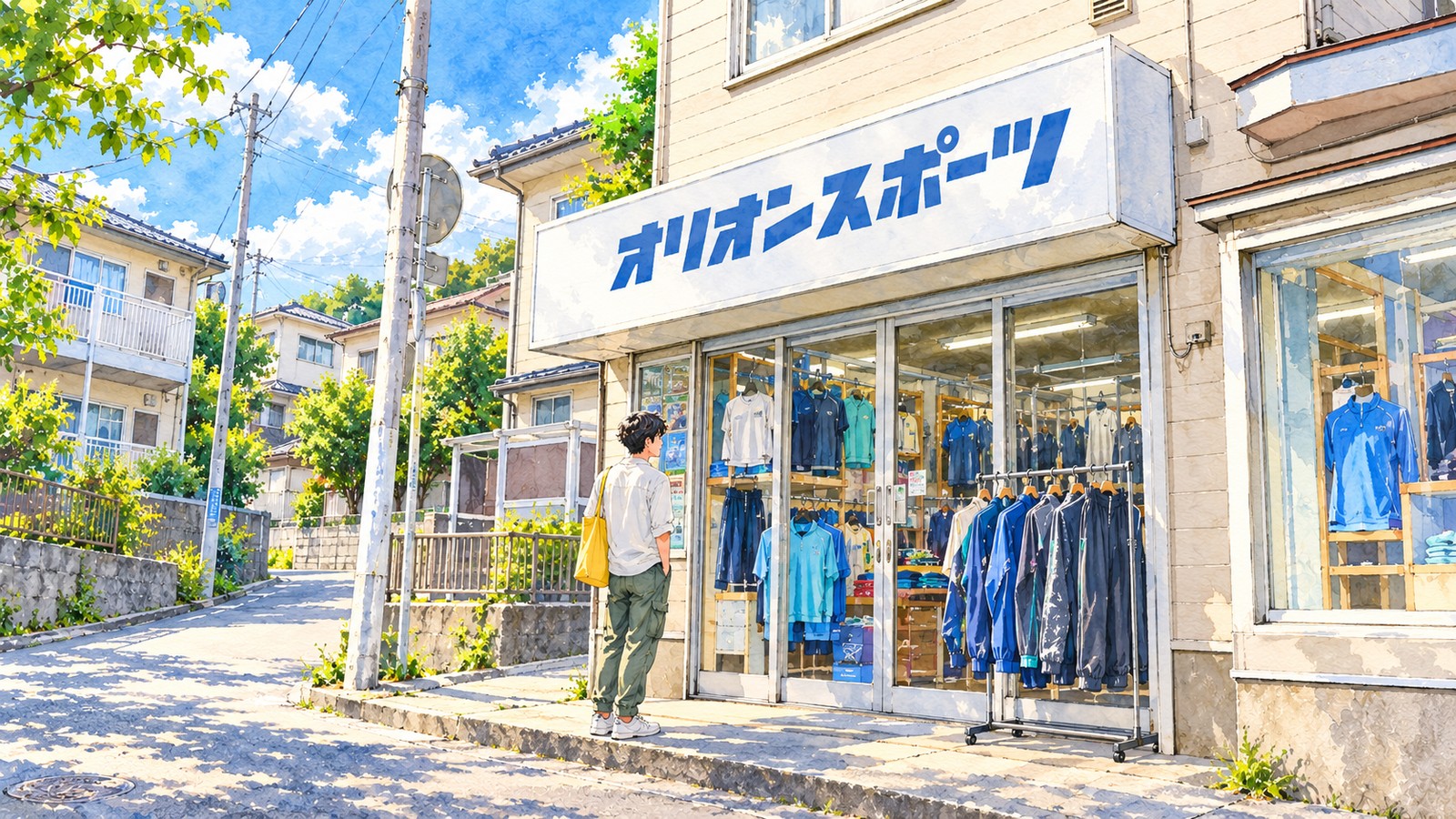
Orion Sports is a shop that carries the Okamura Junior High School tracksuits the duo wore when busking in Isezakicho. The connection is confirmed in current information from Isogo Ward and the shop. It is a place to encounter an object that brings their appearance at the time to mind without entering school grounds.
Tracksuits are rooted in local everyday life, the opposite of dazzling stage costumes. Learning that the schoolwear still used in the neighborhood connects to the duo seen in video and photos makes the beginnings of their street performances feel much closer. If you would like to buy one as a memento, check sizes and stock with the shop.
The shop is at 2-1-18 Okamura, Isogo Ward, and usually opens 10 a.m.–7 p.m., closed Thursdays. During the busy back-to-school period from February through June, it may close temporarily or shorten its hours, so check the shop’s official information before visiting. Stop by respectfully: local students and parents still visit the store for everyday needs.
- Address
- 2-1-18 Okamura, Isogo Ward, Yokohama, Kanagawa
- Connection to Yuzu
- Local sporting-goods shop that carries the Okamura Junior High School tracksuits the duo wore for street performances in Isezakicho
- Hours and closing day
- 10 a.m.–7 p.m.; closed Thursdays (temporary closures or reduced hours may occur during the February–June back-to-school season)
Sources:Isogo Ward Office, Yokohama City / Orion Sports
Shiken Road | The Everyday Street That Became a Song Title
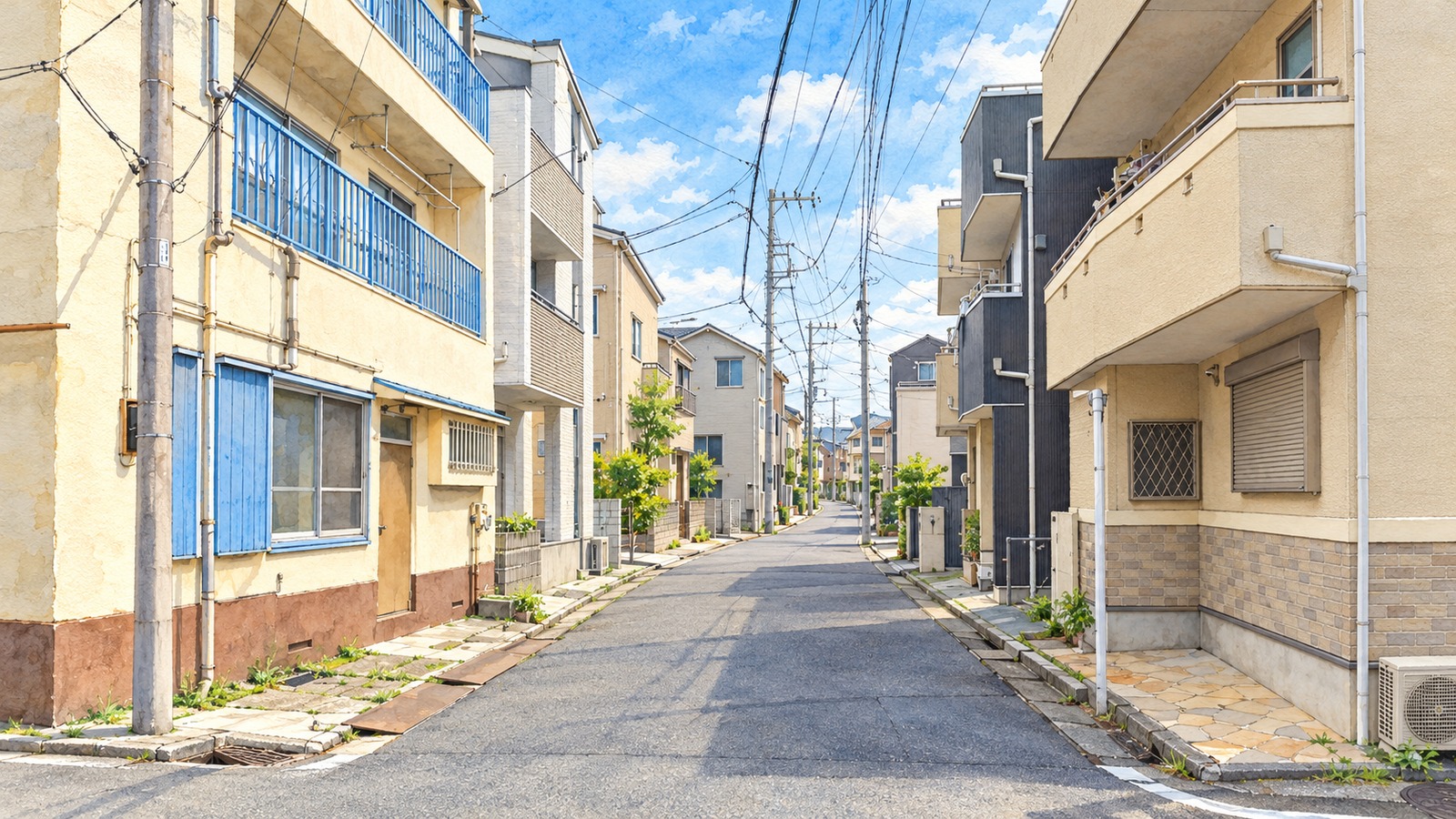
“Shiken Road” is both a road around Okamura and the title of a song released in 2014. Isogo Ward’s official article lists it as a place to learn about the neighborhood where Yuzu grew up. If you remember the road’s name as a song title, this is where you can connect that memory with the real town.
The roads and slopes climbing and descending the hills of Okamura have many different characters, but Shiken Road has a clear link through the song with the same name. Walk past nearby shops, the bus route, and rows of homes, and the road’s name can bring the song back to mind.
This is still an everyday road used by local cars and buses, with sidewalks. It fits naturally into a walk between Okamura Tenmangu Shrine and Orion Sports.
- Address
- Around Okamura, Isogo Ward, Yokohama, Kanagawa (Shiken Road)
- Connection to Yuzu
- Neighborhood road through Okamura, where the duo grew up, and the title of Yuzu’s 2014 song “Shiken Road”
- Walking conditions
- Open to walk along the sidewalk at all times (a public road used by local bus routes)
Sources:Isogo Ward Office, Yokohama City
Shibuya Koen-dori | The Duo Look Back on Their First Ticketed Concert, 20 Years Later
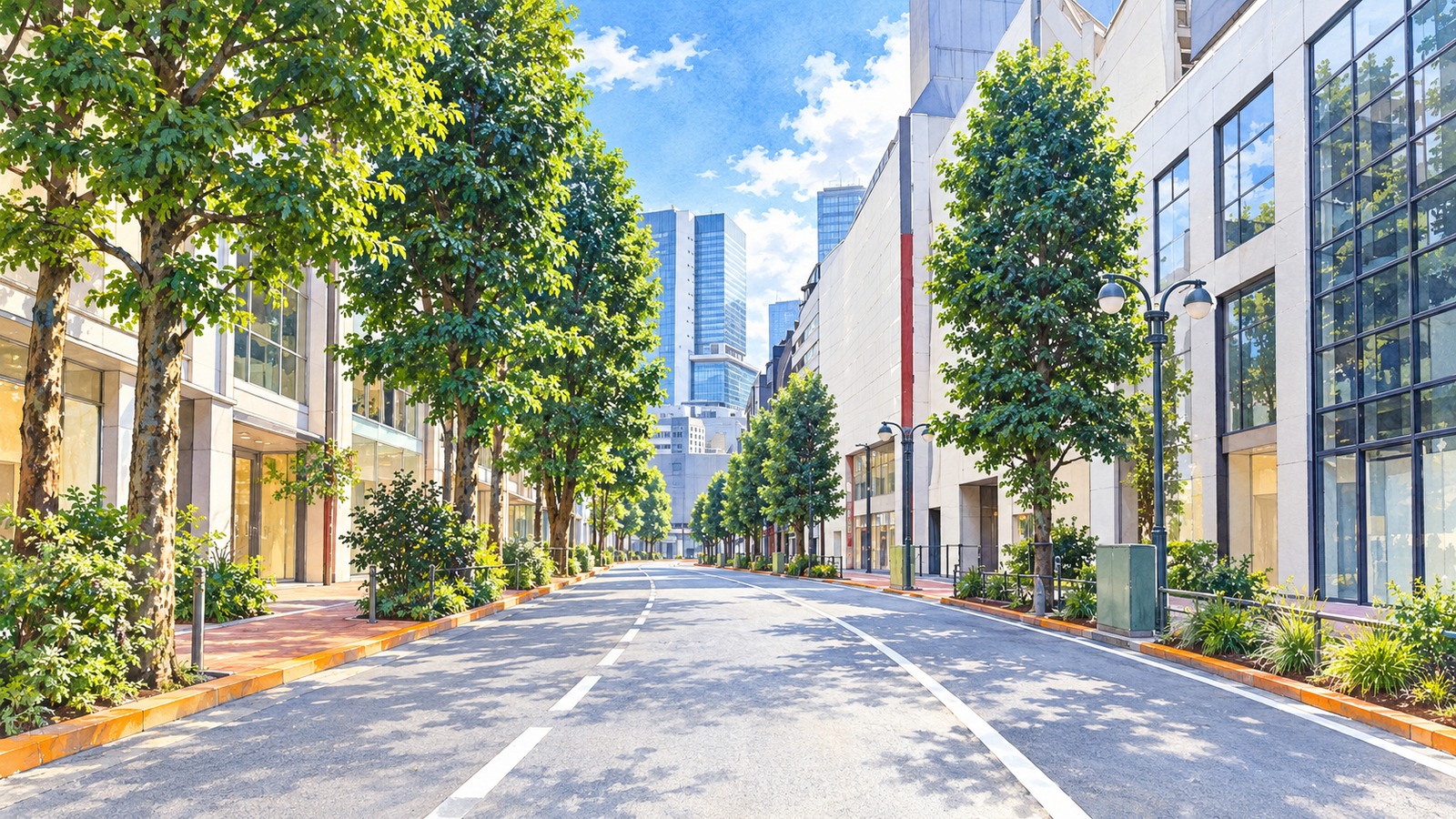
The 2018 music video for “Koen-dori” was filmed on Koen-dori, the street running from Shibuya MODI toward Yoyogi Park. In the quiet early morning in early May, when few people were around, the duo walked back and forth along the street for repeated takes. The official production notes show that the street itself became part of the video’s setting.
The song looks back on Yuzu’s first ticketed solo concert, held at Shibuya Koen-dori Theater in 1998. It came as the duo took a step from busking in Isezakicho to a theater where ticket holders were waiting. Near the end of the music video, footage from the May 30, 1998 concert appears, bringing the duo then and now together in the memory of the same street.
Before their debut, Kitagawa brought the guitar he had bought with money from a part-time job, and Iwasawa used the guitar he played at the time. The passage of 20 years is present not only in their return to the same slope but also in the instruments they carry. When you revisit the video, notice the guitars as well as the street scenery.
A public street with a gentle slope running from Jinnan to Udagawacho in Shibuya. Today the area is lined with commercial buildings, cafes, and shops. Walk uphill from Shibuya Station toward Yoyogi Park to experience the length and gradient of the street for yourself.
- Address
- Koen-dori, from Jinnan to Udagawacho, Shibuya, Tokyo
- Connection to Yuzu
- Slope where the music video for Yuzu’s 2018 song “Koen-dori” was filmed early in the morning, evoking the theater where the duo held their first ticketed solo concert in 1998
- Walking and access
- Public street open at all times; a short walk from the JR Shibuya Station Hachiko Exit toward Yoyogi Park
Sources:Yuzu / SENHA
Yoyogi Park | The Duo Cycle and Film Selfies in the Music Video
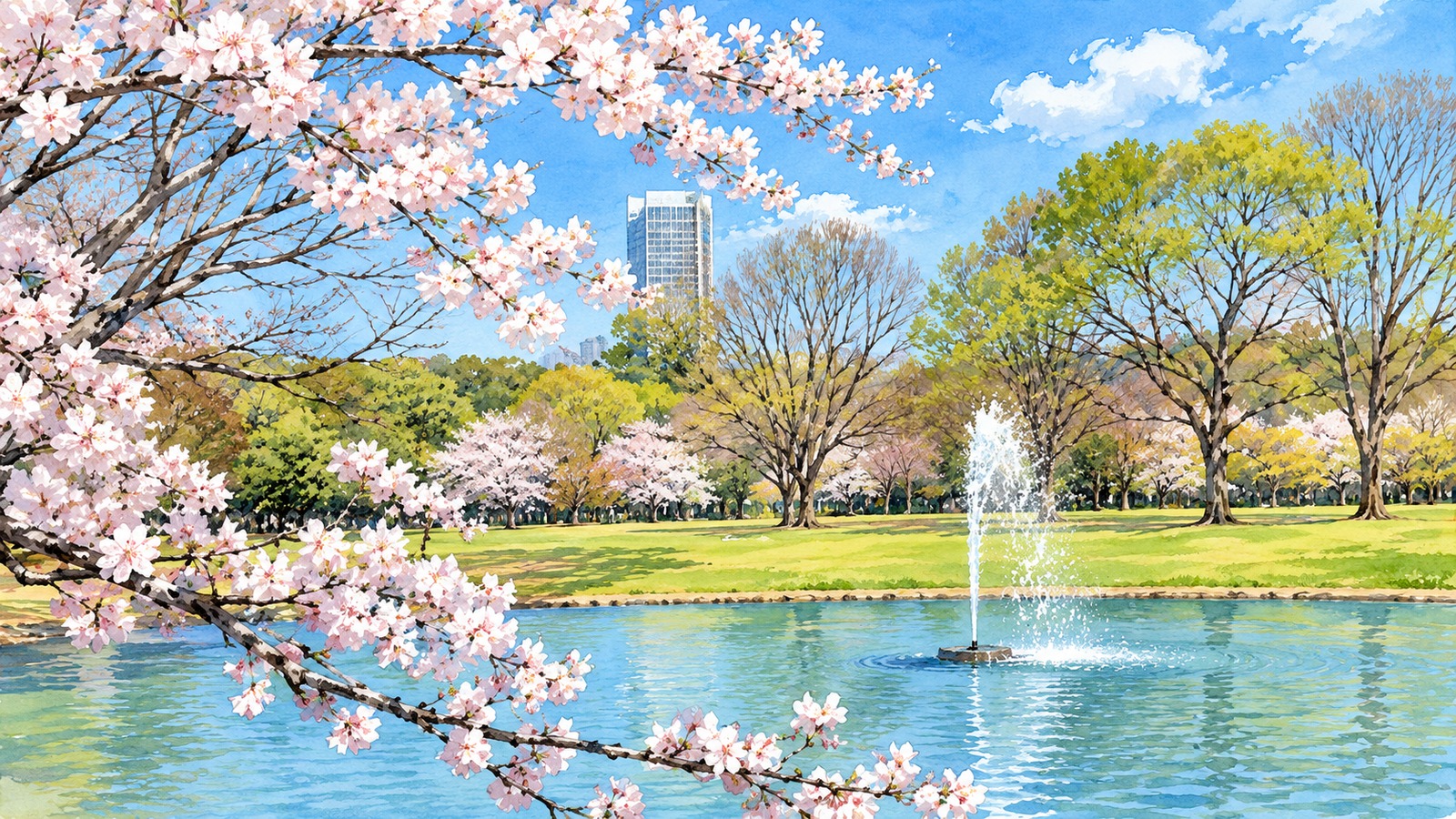
In the “Koen-dori” music video, the duo cycle through Yoyogi Park and record selfie footage on a smartphone. The official production notes describe it as a video with a handmade warmth. This location offers a different landscape from the street of Koen-dori: a broad, leafy park.
The video combines footage from past concerts with footage the duo filmed themselves in the present. Alongside their stage performances, their relaxed smiles as they move among the trees stand out. After walking along the park’s wide paths, revisit the music video and you can see how the view opens from the street’s slope onto a green park.
This metropolitan park extends around 2-1 Yoyogikamizono-cho, Shibuya, Tokyo. You can walk straight into it from the top of Shibuya Koen-dori. If using a rental or personal bicycle inside the park, follow the rules for designated cycling courses; walking is another way to enjoy the openness of the trees and lawns.
- Address
- Around 2-1 Yoyogikamizono-cho, Shibuya, Tokyo
- Connection to Yuzu
- Metropolitan park where the duo cycled and filmed smartphone selfies for the “Koen-dori” music video
- Visiting conditions and access
- Open for walking; at the top of Shibuya Koen-dori (also a short walk from JR Harajuku Station and Tokyo Metro Meiji-jingumae Station)
Sources:Yuzu / SENHA / Tokyo Metropolitan Park Association
K-Arena Yokohama | Compare the Duo’s Acoustic Performances and Full-Band Sound
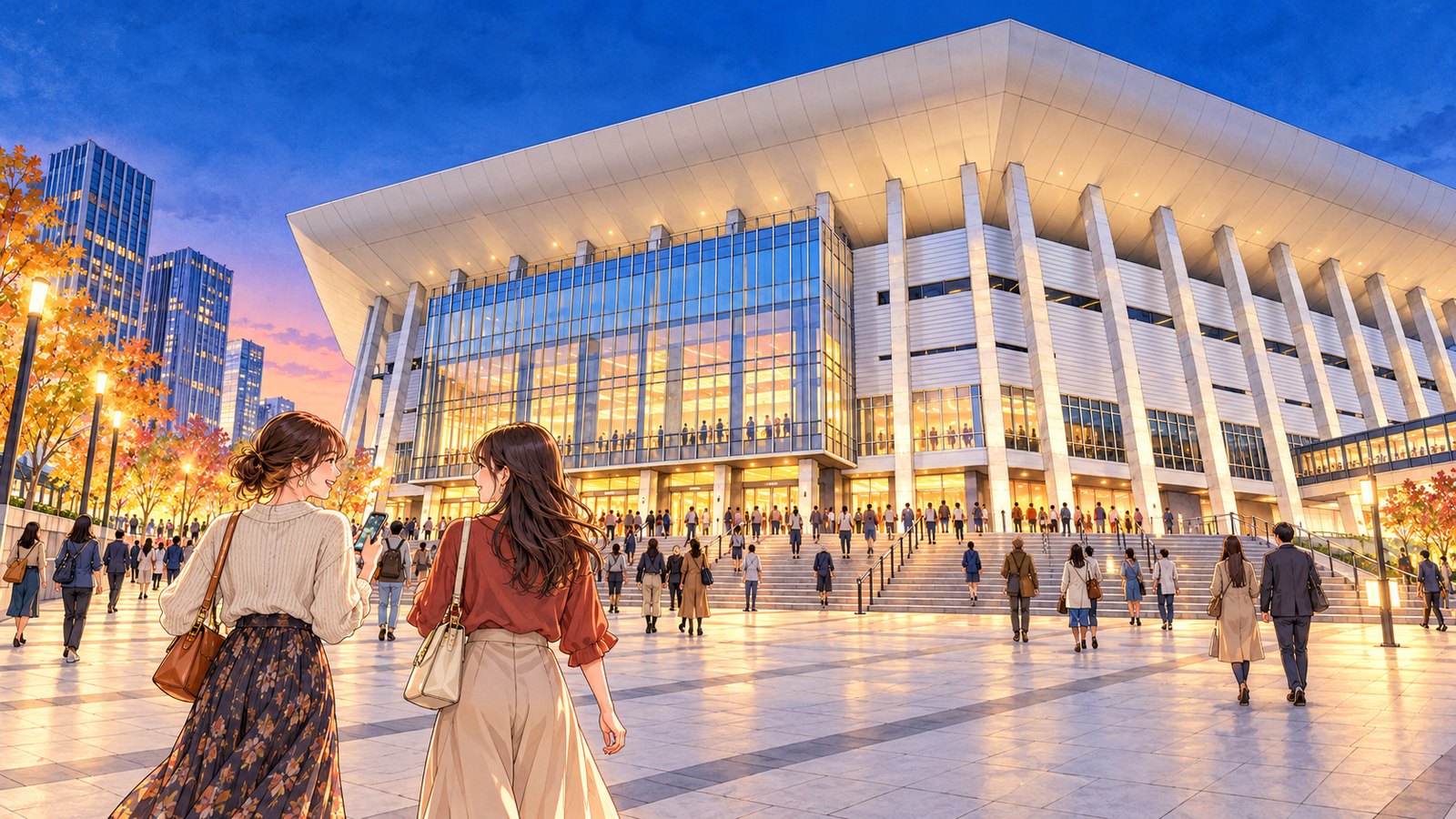
Yuzu headlined the opening concerts at K-Arena Yokohama in fall 2023. Day 1 on September 29 featured Kitagawa and Iwasawa performing with vocals and guitars; Day 2 on September 30 used a full band; an additional Day 3 followed on October 1. The official history records approximately 100,000 attendees across five concerts, including encore performances.
The venue’s scale—around 20,000 seats—is only one reason to visit. On consecutive days in the same dedicated music arena, Yuzu performed once with acoustic guitar and vocals at the center and once with the weight of a full-band arrangement. The venue’s history holds both the duo’s music-making roots and large-scale stage production.
The shows used a huge LED screen, 800 lighting fixtures, and more than 70 lasers. Even on a day when only the two of them performed, the expression across the whole arena was stadium-sized. The concerts offered a new way to hear an acoustic duo in the sound and light of an arena, beyond the small-venue setting many associate with that format.
Located at 6-2-14 Minato Mirai, Nishi Ward, Yokohama, Kanagawa, the arena is accessible from Yokohama Station’s east exit and Shin-Takashima Station via pedestrian decks and other routes. On non-event days, enjoy the exterior and waterfront views from the plaza, cafes, and shops in the neighboring Music Terrace.
- Address
- 6-2-14 Minato Mirai, Nishi Ward, Yokohama, Kanagawa
- Connection to Yuzu
- Dedicated music arena where Yuzu headlined the opening concerts “HIBIKI” in fall 2023, performing both as a duo and with a full band
- Visiting and access
- The exterior can usually be viewed from Music Terrace and other public areas (arena seating requires event admission); within walking distance of Yokohama and Shin-Takashima stations
Sources:Yuzu / SENHA / Yuzu / SENHA / K-Arena Yokohama / K-Arena Yokohama
Pia Arena MM | “Shin Tenchi,” the New World Shown in the 2020 Online Tour
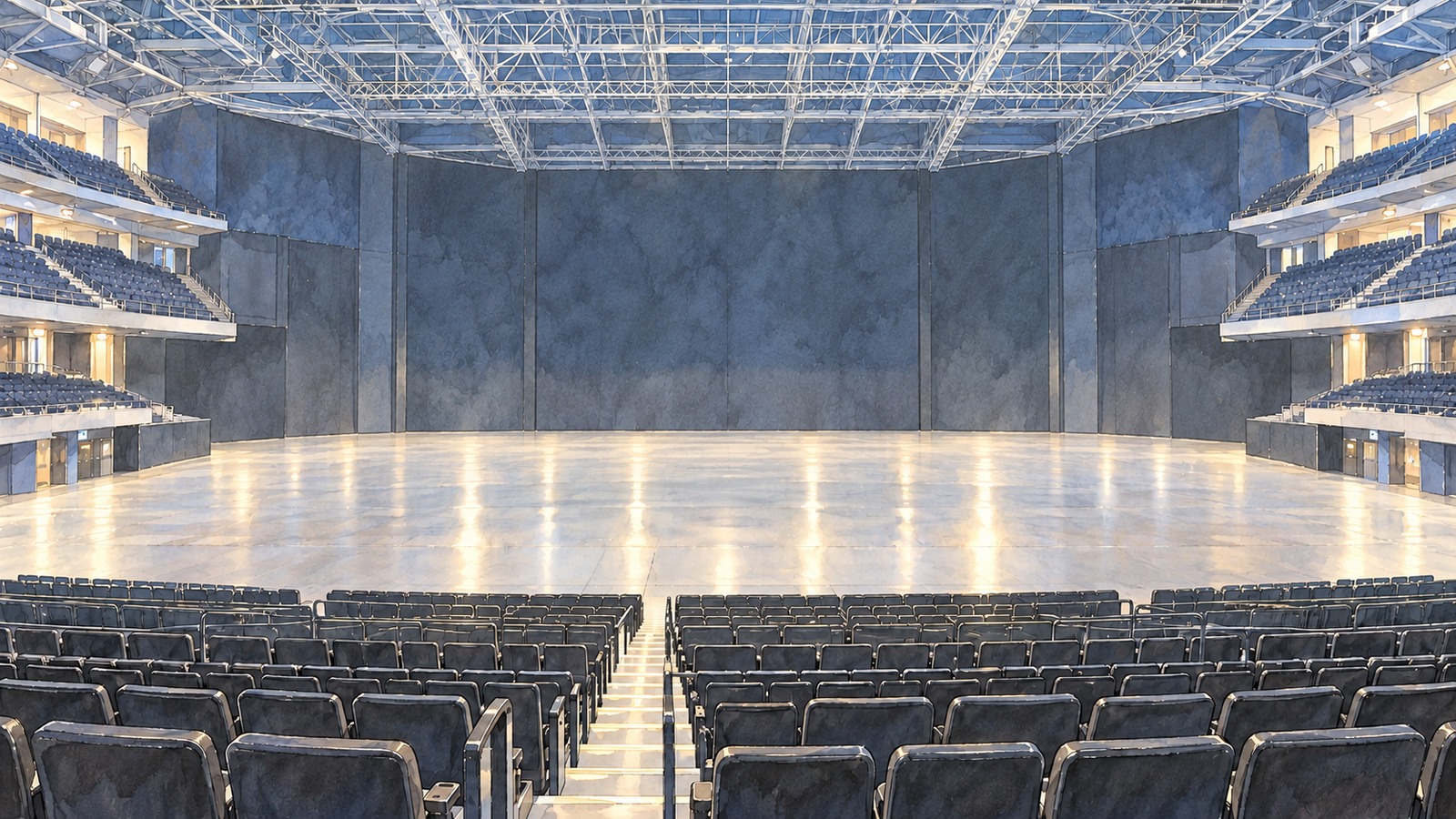
Pia Arena MM was the setting for “Shin Tenchi,” Day 3 of Yuzu’s 2020 online tour “AGAIN.” The official video release description records what happened at the performance. It offers a glimpse of Yuzu’s performance history through a livestream, different from a regular concert where an audience gathers at the venue.
The duo performed “Hanasaku Machi” and “Sono Toki ni wa” for the first time at the show. Midway through, they left the arena and performed “Sakuragicho” and “Uta Yell” with the sailing ship Nippon Maru and Minato Mirai’s night view behind them. Seamlessly connecting the newly opened music arena with the cityscape of Yokohama became an expression made possible by a livestream without an audience.
The set list opened with “Yuenchi” and continued with “Hajimari no Basho.” The sequence conveys what it meant to stand in a new venue. After seeing the building along Minato Mirai Boulevard in person, walk toward Nippon Maru Memorial Park to get a sense of the distance, and the Yokohama scenery through which the duo moved in the stream will feel closer.
The arena is at 3-2-2 Minato Mirai, within walking distance of Minato Mirai and Sakuragicho stations. In ordinary hours, view the exterior from the pedestrian deck and sidewalks. Use the attached cafes and shops according to their posted hours. Entry to the seating area depends on each event’s ticket requirements.
- Address
- 3-2-2 Minato Mirai, Nishi Ward, Yokohama, Kanagawa
- Connection to Yuzu
- Arena that hosted Day 3, “Shin Tenchi,” of the 2020 online tour “AGAIN,” connecting performances inside with Minato Mirai’s night views
- Visiting and access
- The exterior can usually be viewed from sidewalks and decks (arena seating requires event admission); within walking distance of Minato Mirai and Sakuragicho stations
Sources:Yuzu / SENHA / Pia Arena MM
Learn More About Yuzu | Place Names, Instruments, and Performing as a Duo
Visit the place names in the songs, see the scenery from an album cover, or stand in a concert venue. Listening again from each of these entry points reveals a different period in the same duo’s music. The scenes you find around town overlap with Yujin Kitagawa and Koji Iwasawa’s path through music.
Yujin Kitagawa and Koji Iwasawa | Bringing Their Songs From the Streets
Yuzu formed in March 1996 and began busking in Isezakicho, Yokohama. Their releases followed: the mini-album “Yuzu no Moto” in October 1997, their first single “Natsuiro” in June 1998, and their first album “Yuzu Ikka” in July. Singing on street corners at night and sending recorded music to listeners around Japan quickly became connected parts of their early activity.
You can play this video in the official video at the top of this page ↑
To understand their journey, look not only at their voices but also at the instruments they have held and the ways they perform. In a video, the duo who went on to domes and arenas return to a Shibuya slope carrying the instruments they used when they were starting out.
Kitagawa wrote the lyrics and music for “Koen-dori.” The official song notes describe it as an introspective track that looks back on the past while facing the future. Using a real street’s name as the title opens the duo’s personal memory into a cityscape listeners can walk through and visit.
The official record of the 2020 online tour “AGAIN” also notes a birthday celebration for Koji Iwasawa (the sub-leader) during Day 4 at Kanagawa Kenmin Hall. Along with delivering beloved songs in sequence, the long relationship between the two Okamura childhood friends shines through on stage—one of the pleasures of a Yuzu concert.
The Tree in a Photo, the Park in a Song, the Streets in a Music Video | Different Ways Into a Place
The enoki at Shimizugaoka Park brings back the scenery of “Karappo” through its album cover and video. Sannodai Ruins is connected to the “Sumire” booklet photos; Nakakubo Park and Shiken Road are place names preserved in songs; and Shibuya Koen-dori and Yoyogi Park are locations in official music videos. Each place is tied to the work through a different medium.
Even when we call all of these “places connected to Yuzu,” they are not all settings in the lyrics. To appreciate the creative choices, look at the composition and direction of light in cover and booklet photos, the sound of place names and their distance from daily life in songs, and the walking rhythm and camera perspective in music videos. These details make it more concrete why each location was chosen.
“Karappo” is a song you can hear again with a memory of a tree on a hill and a wide-open sky. The experience of visiting in person can lead to the pleasure of opening the CD or video again after you get home.
“Koen-dori” | Past Concert Footage and the Present-Day Duo Meet in a Music Video
The music video’s production notes highlight the repeated early-morning walks along the street and how they connect with footage from a concert 20 years earlier. The younger duo overlap with the two walking along Koen-dori today. The street itself serves as a path between past and present.
The guitars play the same role. Kitagawa brought the instrument he had bought with money from a part-time job, and Iwasawa brought the one he used at the time, to the 2018 shoot. Knowing this, you can see the time since they first began making music held in the instruments in their hands.
Alongside Yuzuman, the mascot used since their debut, the video also features new characters Yuzu Neko and Akubi-chan. It combines footage from past concerts with creative expressions born at that time. The work lets you follow how the duo presented their own journey, together with the selfie footage.
“AGAIN” | The Duo Perform From a Different Part of Yokohama Each Week
The 2020 online tour streamed five concerts every Sunday at 9 p.m. from September 27 through October 25. Each show had a different theme—“Starting Point,” “Adolescence,” “New World,” “Blueprint,” and “Future Vision”—and traced stages of the duo’s career while moving among Yokohama venues connected to them.
Except for “Natsuiro,” which appeared in every show, the set list changed completely each week. The concerts centered on the duo performing alone with guitars, while incorporating visual techniques such as augmented reality. At a time when audiences could not gather at the same venue, delivering different songs from different places in Yokohama each week created a continuous live experience as a tour.
At the first show from Yokohama Buntai, they debuted “Koshikondo.” In the second week, they performed “Tane,” “Machiboke,” and the unreleased “Nagaremono” from their alma mater, Okamura Junior High School. In the third week, Pia Arena MM connected a new venue with Minato Mirai’s night view. In the fourth week they returned to Kanagawa Kenmin Hall, and the final stream again showed the duo performing on the stage at Yokohama Buntai.
Of the four venues used for these five concerts, Pia Arena MM remains an active music arena, and its nearby waterfront paths can be explored on foot as part of a walk through Minato Mirai. The tour brings together records of the venues left on video and the cityscape of Yokohama today.
“HIBIKI” | Hear the Duo and the Band in a Large Arena
The opening show on September 29, 2023 (BLUE × FUTARI) began with “Shubiduba.” The set continued with “Sono Toki ni wa” and “Eikou no Kakehashi,” placing early songs and more recent signature tracks on the same stage. Through the duo’s acoustic guitars and vocals, the program lets you compare the atmosphere of different eras when the songs were written.
In the mid-show “Hibiki-gatari” segment, “Haruka,” “Hey Wa,” “1,” “Niji,” and “SEIMEI” flowed together before returning to “Haruka.” It creates a larger movement than hearing each song on its own. Through the closing stretch from “Shonen” and “Natsuiro” to “Beautiful” and “Frontier,” the sequence of songs shapes the time across the entire arena.
The second show the next day (RED × ALL STARS) opened with “Hikare” in a full-band arrangement, then moved into “Uta Yell” and “Koshikondo.” “Sakuragicho” was also on the set list, resonating as a song with a Yokohama place name at a Yokohama venue. “Natsuiro” and “Beautiful,” shared with the previous day, took on a different breadth with the band sound.
In the second half, “ULTRA HIBIKI PARTY” linked songs such as “Koi, Hajikemashita.,” “Muscat,” and “KIKIKAIKAI” in a medley. Comparing this with the acoustic “Hibiki-gatari” segment makes the different ways multiple songs were shaped into one flow clear. The two days can also be revisited through the stage lighting and lasers and the construction of each set list.
- DAY1
BLUE×FUTARI
Kitagawa and Iwasawa performing with vocals and guitars. Several songs connected in “Hibiki-gatari.”
- DAY2
RED×ALL STARS
Full-band performance. Songs combined in “ULTRA HIBIKI PARTY.”
- Compare the sound
How shared songs sound
Compare how songs such as “Natsuiro” and “Beautiful” sound with different lineups.
Sources:Official materials and facility information
From Street Performances to Livestreams and Arenas | Milestones in Yuzu’s Career
The timeline below brings together Yuzu’s ties to place, from their formation and street performances in Isezakicho in 1996, through their first ticketed solo concert at Shibuya Koen-dori Theater and anniversary shows in stadiums and domes, to recent online tours and the opening of K-Arena Yokohama. It shows how the duo’s music, which began amid the familiar scenery of Okamura, reached audiences in different venues and formats over time.
- 1996
March Yuzu formed and began busking in Isezakicho. Their music moved from daily life in Okamura onto the streets, where they sang for passersby.Formation - 1997
October They released “Yuzu no Moto,” creating a way to hear their early songs as a recorded work.Recording - 1998
May 30 They held a ticketed solo concert at Shibuya Koen-dori Theater. The concert’s record would connect with a music video 20 years later.Concert - 1998
June–August They released “Natsuiro” and “Yuzu Ikka.” More than 7,000 people gathered for their final street performance on August 30.Releases - 2001
They performed at Tokyo Dome for the first time, a milestone as the duo’s songs reached a large venue after beginning on the street.Concert - 2005
July 23 They held “GO HOME” at Nissan Stadium. A major hometown concert became part of their career history.Concertand24 - 2008
The mural at Yokohama Matsuzakaya was moved to Okamura Tenmangu Shrine. A record of their street-performance years was passed on in a new place.Local history - 2012
They held a 15th-anniversary dome concert and their first local “Yuzu Exhibition.” Alongside the music, these events created a chance to look back on their path.Exhibition - 2013
“LAND” won the Best Album Award at the Japan Record Awards, a milestone in their work on albums as complete pieces.Award - 2015
August 15 They held “Futari Sankyaku” at Yokohama Stadium, drawing approximately 60,000 people in total. The duo format and a large venue came together.Concertand16 - 2016
They held their first Asia tour. In 2017, they marked their 20th anniversary; the winter-solstice concert was their last, and they also performed last in the Kohaku Uta Gassen broadcast.Anniversary - 2018
June 1 They released the “Koen-dori” music video, connecting a past theater performance with the duo walking through the city today.Video - 2019
〜2020 They held a dome tour with vocals and guitars in 2019 and their first online tour in 2020, extending the relationship between the performing duo and listeners through different concert formats.Concerts - 2022
For their 25th anniversary they released “PEOPLE” and “SEES.” In 2023 they headlined the opening concerts at K-Arena Yokohama, and the Day 1 and Day 2 video release followed on April 17, 2024.Anniversary
Sources:Official materials and facility information
Watch Before or After Your Visit | Revisit the HIBIKI Performances on the Retail Blu-rays
Before or after visiting Yokohama’s hills and arenas or Shibuya’s slopes, revisit the live Blu-ray of Yuzu’s opening concerts at K-Arena Yokohama and the official music video for “Koen-dori,” filmed in Shibuya. Each conveys the atmosphere of a different period.
Blu-ray With K-Arena Yokohama’s Acoustic Show and a Drive-and-Talk Around Yokohama
The retail release “LIVE FILMS HIBIKI DAY1 BLUE × FUTARI” (catalog nos. TFXQ-78251–78252) includes the September 29 acoustic concert and, as bonus content, five videos of the duo talking while driving around Yokohama. The disc includes all five intermission videos shown during the concerts, including those from the encore shows, moving from the stage performance to the duo introducing the city.
Day 2, “RED × ALL STARS,” with a full band, is sold separately (Blu-ray catalog nos. TFXQ-78253–78254). The two-disc release includes a 16-page booklet and four bonus live tracks from the encore concert: “HAMO,” “Daikanyama Refrain,” “Getsuyoubi no Shuumatsu,” and “Itsuka.” Day 3 on October 1 and the live CDs are included in a fan-club-only limited box, with specifications that differ from the retail releases. If you can compare both days, listen for how the duo’s guitars and voices carry shared songs, and how the band broadens the sound, alongside the arena scale you saw in person.
Official Music Video to Revisit the Scenes of Shibuya Koen-dori and Yoyogi Park
Before or after visiting Shibuya Koen-dori and Yoyogi Park, revisit the official YouTube music video for “Koen-dori.” It layers three periods in one short video: the duo walking along the street early in the morning in 2018, the guitars they had used since their debut, and live footage from Shibuya Koen-dori Theater on May 30, 1998. The connections between past and present become clear. Yuzu’s journey is also a chance to choose works to revisit in each neighborhood, alongside songs and photos from Okamura.
Sources:Official materials and facility information
The Oshi Lab Note | A Business Perspective: A Mural Relocated to Connect Two Neighborhoods’ Memories
The Yuzu mural at Okamura Tenmangu Shrine originally stood at Yokohama Matsuzakaya in Isezakicho and was moved in 2008. It is one example of how memories of the duo’s street-performance years can now be seen in the neighborhood where they grew up. Knowing the mural’s history reveals its relationship with their earlier base as well as its current location.
When preserving an exhibit connected to music, it matters to record more than the object itself: keep its original location, the year it was moved, and its relationship with the place that received it. Such records help communicate the link between a work and a neighborhood even after an old shop or building changes. They can guide visitors from an object in the present toward other times and places.
Sources:Official materials and facility information
Sources
- K-Arena Yokohama — Access and parking
- Okamura Tenmangu Shrine
- Tokyo Metropolitan Park Association
- Yokohama Sannodai Archaeological Museum (Yokohama History Foundation)
- K-Arena Yokohama — Shop guide
- Yuzu / SENHA — Music video for new song “Koen-dori” now available!
- Shimizugaoka Park — Access and parking information
- Yuzu / SENHA — All five concerts from Yuzu’s first online tour to be released in full on LIVE FILMS YUZU ONLINE TOUR 2020 AGAIN Blu-ray and DVD
- Seibu Group park management / Seibu Location Service — Shimizugaoka Park, Yokohama City
- Orion Sports
- Isogo Ward Office, Yokohama City
- Pia Arena MM
- Yuzu / SENHA — Biography
- yuzuofficial(YouTube)
- Yuzu official — LIVE FILMS HIBIKI
Dates, opening hours, and ticket information reflect the time of writing. Check each official site for the latest information before your visit.
FAQ
Is the “Karappo Tree” a yuzu tree?
The tree at the observation point in Shimizugaoka Park is an enoki. It appears on the cover and in the video for “Karappo,” and is affectionately known as the “Karappo Tree.”
Has the mural at Okamura Tenmangu Shrine been there since the duo’s street-performance days?
The mural was at Yokohama Matsuzakaya in Isezakicho and was moved to Okamura Tenmangu Shrine in 2008. It was passed on from Isezakicho, where the duo held their final street performance, to Okamura, where they grew up.
Can I still take part in Isogo’s stamp rally?
The Isogo Ward stamp-rally event ended on January 31, 2026, but the ward’s feature article still offers detailed information about each place and its connection to Yuzu.
Can I visit the duo’s school or homes?
Schools and private homes are not open to general visitors. You can experience the atmosphere of the neighborhood behind their work by visiting public parks, shrines, shops, the archaeological museum, and public streets.
If I buy HIBIKI Day 1, can I watch Day 3 too?
Day 3 is included in a limited box for fan-club members. Its contents differ from the retail Day 1 release (catalog nos. TFXQ-78251–78252), so check the catalog number and included concert before choosing.
What is the connection between the Sannodai Ruins and Yuzu?
Photos for the “Sumire” album booklet were taken there. You can walk around the ruins, where reconstructed pit dwellings stand, and compare the landscape with the photos in the booklet.
Do HIBIKI Day 1 and Day 2 feature the same lineup?
Day 1 features Yujin Kitagawa and Koji Iwasawa performing with vocals and guitars; Day 2 uses a full band. Compare songs shared across both days, such as “Natsuiro” and “Beautiful,” to hear how the arrangement changes the sound.


