

Crayon Shin-chan Pilgrimage: 10 Places in Kasukabe and the Family’s Hometowns
Step out of Kasukabe Station and you’ll find the Nohara family on manhole covers and at the city information center. At the roadside station, Shin-chan appears as a swallow; at the kite-culture center, he holds a giant kite. Looking at what each spot says about the town can make taking photos with the same character even more fun.
Crayon Shin-chan began as a manga by Yoshito Usui and continued as a television anime and a film series. In addition to official exhibits and hands-on attractions in Kasukabe, where the story is set, the family-city exchange has brought statues to Akita and Kumamoto. Awaji Island offers an experience of the film and kindergarten worlds. Shin-chan and the communities connected to him can be found across the country.
10 places to meet the series: Kasukabe, Awaji Island, Kumamoto, and Akita
The statues’ locations and the operating status of facilities change over time. Exhibits once housed at the former Ito-Yokado Kasukabe store have been relocated to City Hall and the tourist information center, and the Kumamoto family-city monument has moved to a new facility in Aso. Some places, such as the Kasukabe City Museum of Local History, may be unavailable during renovation closures. These 10 destinations, based on current locations, form a practical route for exploring the city.
① Kasukabe City Hall
An exhibit in the main building brings together the Shiro statue and straw-hat Shin-chan relocated from the former Ito-Yokado Kasukabe store, along with a father-and-child handbook banner.
More about Kasukabe City Hall② Plat Kasukabe
This tourist information center is about a three-minute walk from the east exit of Kasukabe Station. Visitors can see reproduction artwork, a commemorative stamp, and statues of the brother and sister relocated from the former Ito-Yokado store.
More about Plat Kasukabe③ Roadside Station Showa
A statue of Shin-chan dressed as a swallow reflects the facility’s famous gathering swallows. Stop by for local produce and food, too.
More about Roadside Station Showa④ Metropolitan Area Outer Underground Discharge Channel: Underground Exploration Museum Ryu-Q Kan
A flood-control exhibition center with a Shin-chan statue holding Kobaton and commemorative stamps, installed as part of the family-city project linking Saitama, Akita, and Kumamoto.
More about the Underground Exploration Museum Ryu-Q Kan⑤ Giant Kite Cultural Exchange Center Harukaito
This community center introduces the giant-kite culture of the Showa area. A statue of Shin-chan holding a kite stands in front of the second-floor exhibition room.
More about Giant Kite Cultural Exchange Center Harukaito⑥ Walk around the east and west sides of Kasukabe Station
Manhole covers decorated with the city flower, wisteria, and the Nohara family are installed on the prefectural-road sidewalk at the station’s east exit and near the west-exit plaza.
More about the walk around Kasukabe Station⑦ Arashi o Yobu Buri-Buri Cinema Studio
A permanent amusement attraction on the third floor of Lala Garden Kasukabe, with games based on the Crayon Shin-chan films and official merchandise.
More about Arashi o Yobu Buri-Buri Cinema Studio⑧ Nijigen no Mori: Nontobi Nohara Area
This area at Nijigen no Mori in Hyogo Prefectural Awajishima Park remains open. Visitors can enjoy a recreation of Futaba Kindergarten, an indoor museum, and exhibits of famous scenes from the films.
More about Nijigen no Mori’s Nontobi Nohara Area⑨ ASO MILK FACTORY
A farm facility where a Shin-chan statue dressed as Kumamon welcomes visitors. The statue was relocated in April 2026 as Kumamoto Prefecture’s family-city monument; Kumamoto is the hometown of his mother, Misae.
More about ASO MILK FACTORY⑩ Omagari Station Tourist Information Center Grand Porte
A tourist information center inside JR Omagari Station, outside the ticket gates, with Akita Prefecture’s family-city monument. Akita is the hometown of Shin-chan’s father, Hiroshi.
More about Omagari Station Tourist Information Center Grand Porte
Kasukabe City Hall | A community guide and Shiro’s new home
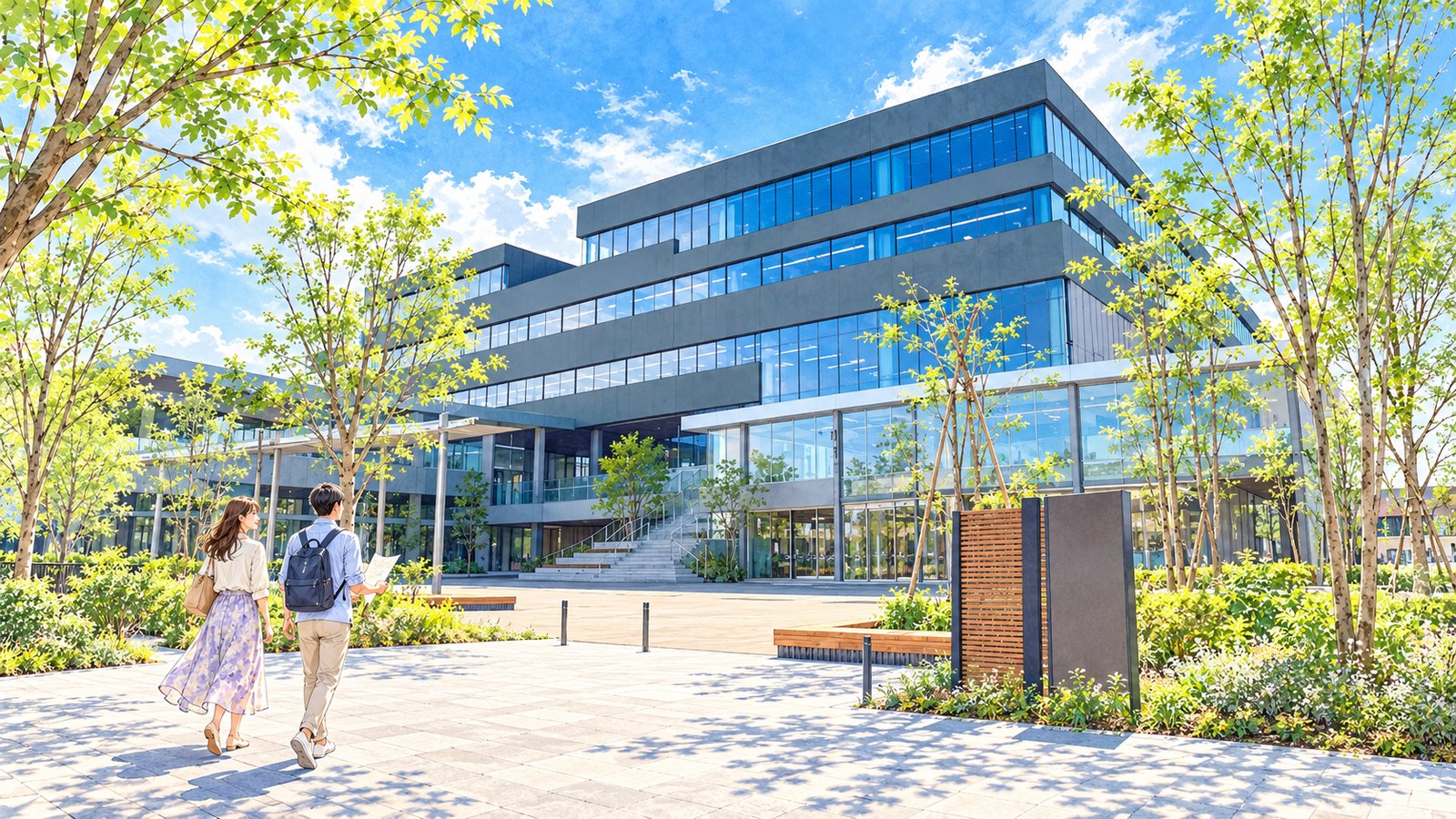
At Kasukabe City Hall, you can meet Shin-chan in his straw hat and the statue of Shiro. Shiro was relocated from the former Ito-Yokado Kasukabe store in January 2025, and the main building’s exhibit space is now his new home.
The space also displays a wall banner using the cover of the father-and-child handbook, a postcard photo spot, and a sample design manhole cover. The story’s setting, where the Nohara family lives, sits alongside the real city hall’s work supporting parenting and everyday life. Seeing Shin-chan serve as a guide in a public building feels more familiar than a theme park.
Compare the Shiro statue with the displays depicting the family, and you can see both his cuteness as a dog and his place as a member of the Nohara household. Viewed alongside the film Our Dinosaur Diary, the exhibits invite you to think again about what it means to be family.
The address is 7-2-1 Chuo, Kasukabe, Saitama. Regular city hall hours are 8:30 a.m. to 5:15 p.m. on weekdays. Give priority to people using the counters and follow the access rules for each exhibit. A notice says the statues of Hiroshi and Misae at the bus stop will be away for maintenance from September 30 through October 30, 2026, so not all the statues may be there on the same day.
- Address
- 7-2-1 Chuo, Kasukabe, Saitama
- Connection to the series
- The main city hall building brings together the Shiro statue and straw-hat Shin-chan relocated from the former Ito-Yokado Kasukabe store, along with the father-and-child handbook wall banner.
- City hall hours and access
- Weekdays, 8:30 a.m.–5:15 p.m. (exhibit access may vary on days the offices are closed); about a 15-minute walk from Kasukabe Station on the Tobu Isesaki or Noda Line
Sources:Kasukabe City
Plat Kasukabe | Manga art and local walking information in one place
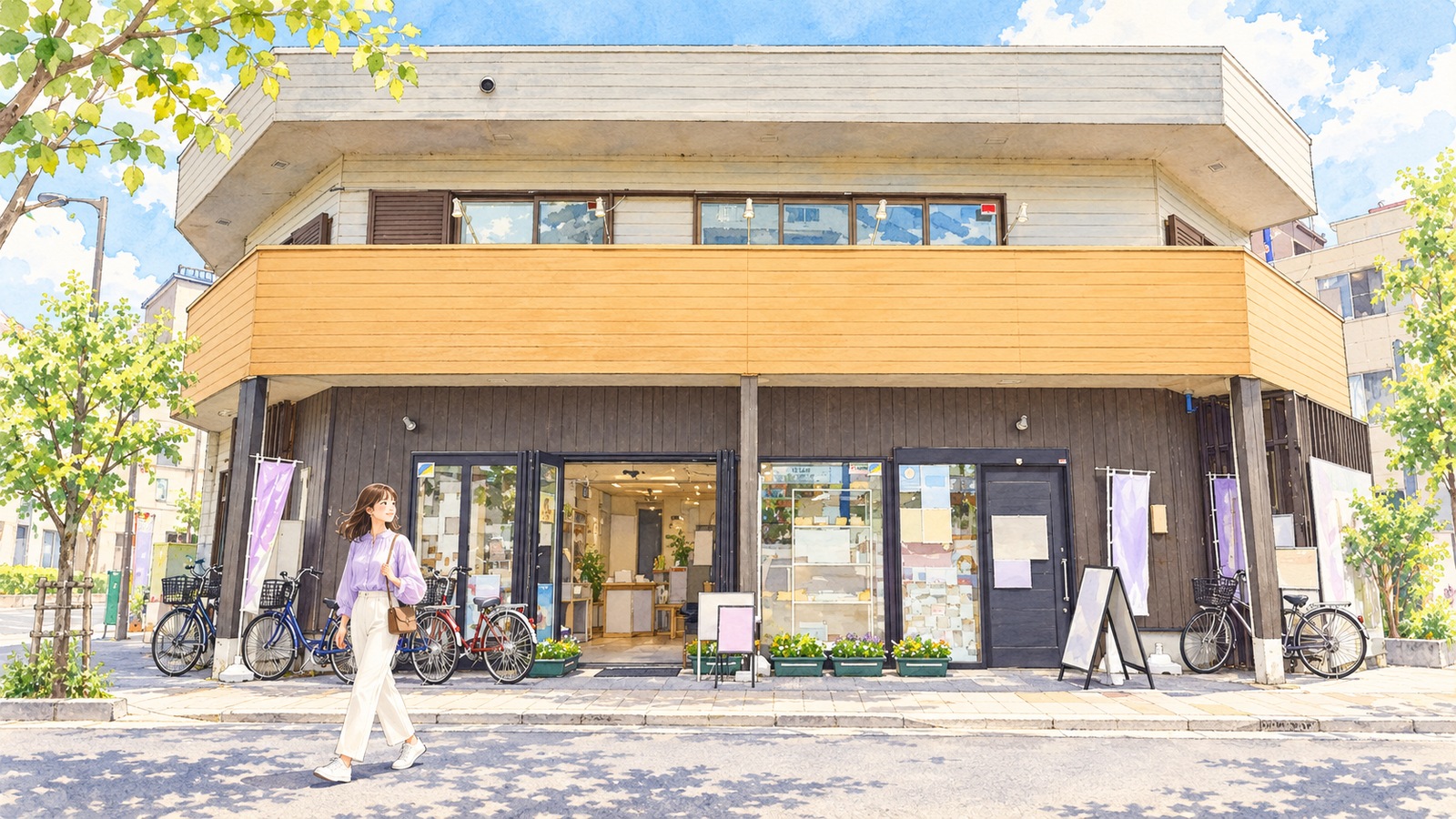
Plat Kasukabe, a tourist information center about a three-minute walk from the east exit of Kasukabe Station, has reproduction manga artwork, Shin-chan panels, and original stamps. Even visitors who know the characters through the anime’s voices and movement can focus on the manga’s lines and expressions here.
Statues of Shinnosuke and Himawari, relocated from the former Ito-Yokado store, are also here. Together with Shiro at City Hall, they show how the exhibits were passed on to new places in town after the store closed. It is a pleasure to see them in a place that can still be visited while preserving memories of the former store.
The center also serves as a tourist information office, so you can see the series exhibits and gather information about Kasukabe in the same place. Signs inside show where to find the commemorative stamps and stamp sheets.
The address is 1-3-4 Kasukabe, Kasukabe. It is open from 9 a.m. to 4:30 p.m. and is generally closed on Mondays. When Monday is a holiday, it closes the next weekday; it is also closed from December 29 through January 3 for the New Year. Although it is close to the station, it closes in the late afternoon.
- Address
- 1-3-4 Kasukabe, Kasukabe, Saitama
- Connection to the series
- Tourist information center displaying reproduction manga artwork, commemorative stamps, and statues of siblings Shinnosuke and Himawari relocated from the former Ito-Yokado store
- Hours and closing days
- 9 a.m.–4:30 p.m.; closed Mondays (or the next weekday when Monday is a holiday) and during the New Year period; about a 3-minute walk from the east exit of Kasukabe Station
Sources:Kasukabe City / Kasukabe City / Kasukabe City
Roadside Station Showa | A welcome from Shin-chan as a swallow
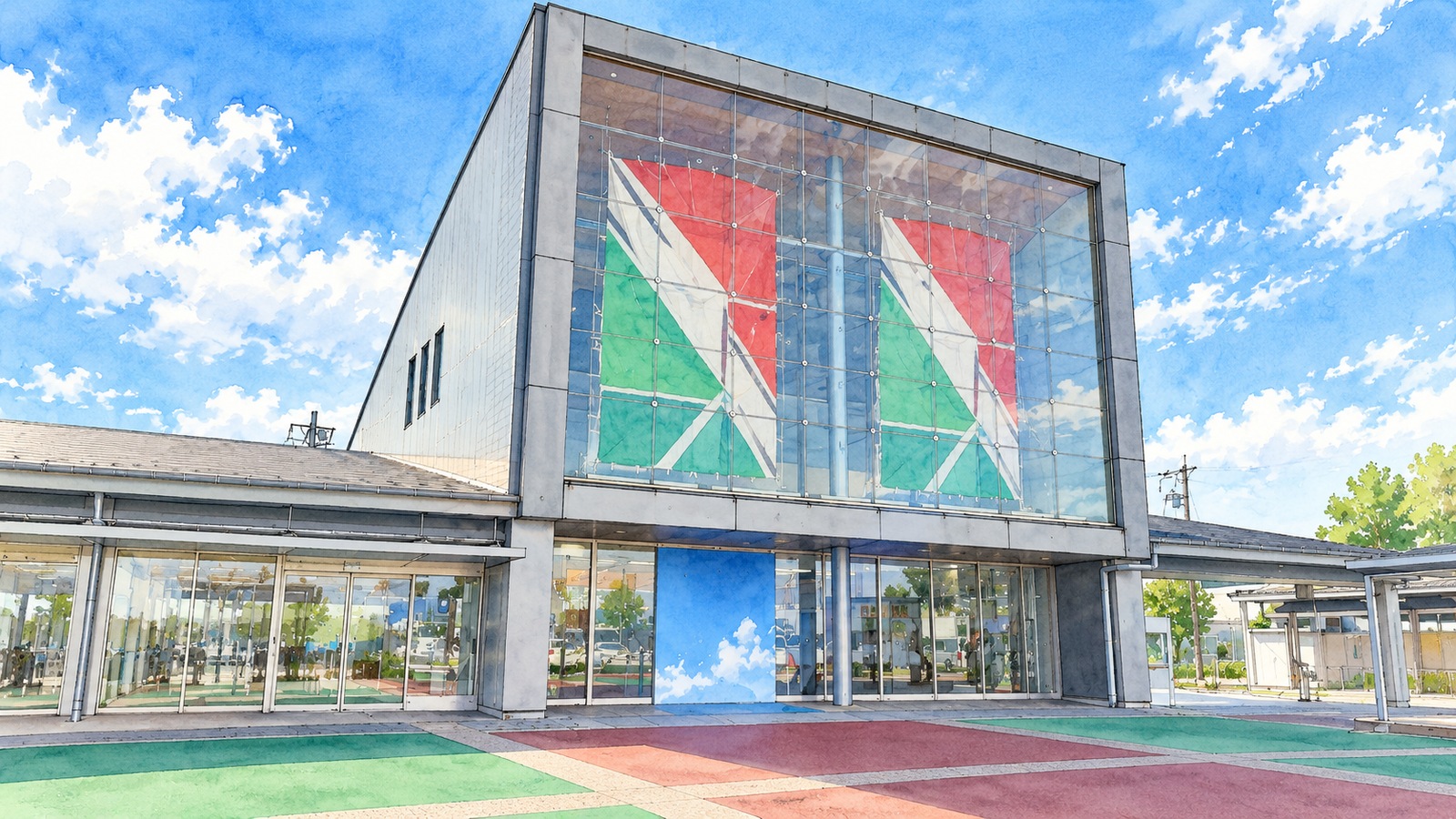
At Roadside Station Showa, Shin-chan appears as a swallow. The statue, about 100 centimeters tall, reflects the roadside station’s distinctive gathering of swallows. It was installed as one of the ways Shin-chan helps guide visitors around the area. It does not represent the setting of a specific episode.
After picturing Shin-chan in his familiar red outfit, notice the distinctive costume he wears here. You can also compare him with the statue holding a kite in the city and the one holding Kobaton.
The roadside station serves people stopping to shop or eat. After seeing the statue, visit the shops or Shokusai-kan dining area; your interest in the series can become a chance to discover local life and food. Not every shop opens at the same time, so check individual opening information if you plan to eat.
The address is 995 Kamiyanagi, Kasukabe. The facility’s stated hours are 8 a.m.–7 p.m.; it is closed January 1 and 2 and on occasional unscheduled closure days. Because vehicles enter and leave the roadside station, view the statue from a spot that stays clear of walkways and parking-lot traffic.
- Address
- 995 Kamiyanagi, Kasukabe, Saitama
- Connection to the series
- Roadside station with a swallow-costumed Shin-chan statue reflecting the facility’s distinctive gathering of swallows
- Hours and closing days
- 8 a.m.–7 p.m. (hours vary by shop); closed January 1 and 2 and on unscheduled closure days
Sources:Kasukabe City / Kasukabe City / Kasukabe City
Underground Exploration Museum Ryu-Q Kan | Shin-chan with Kobaton and a water-control facility
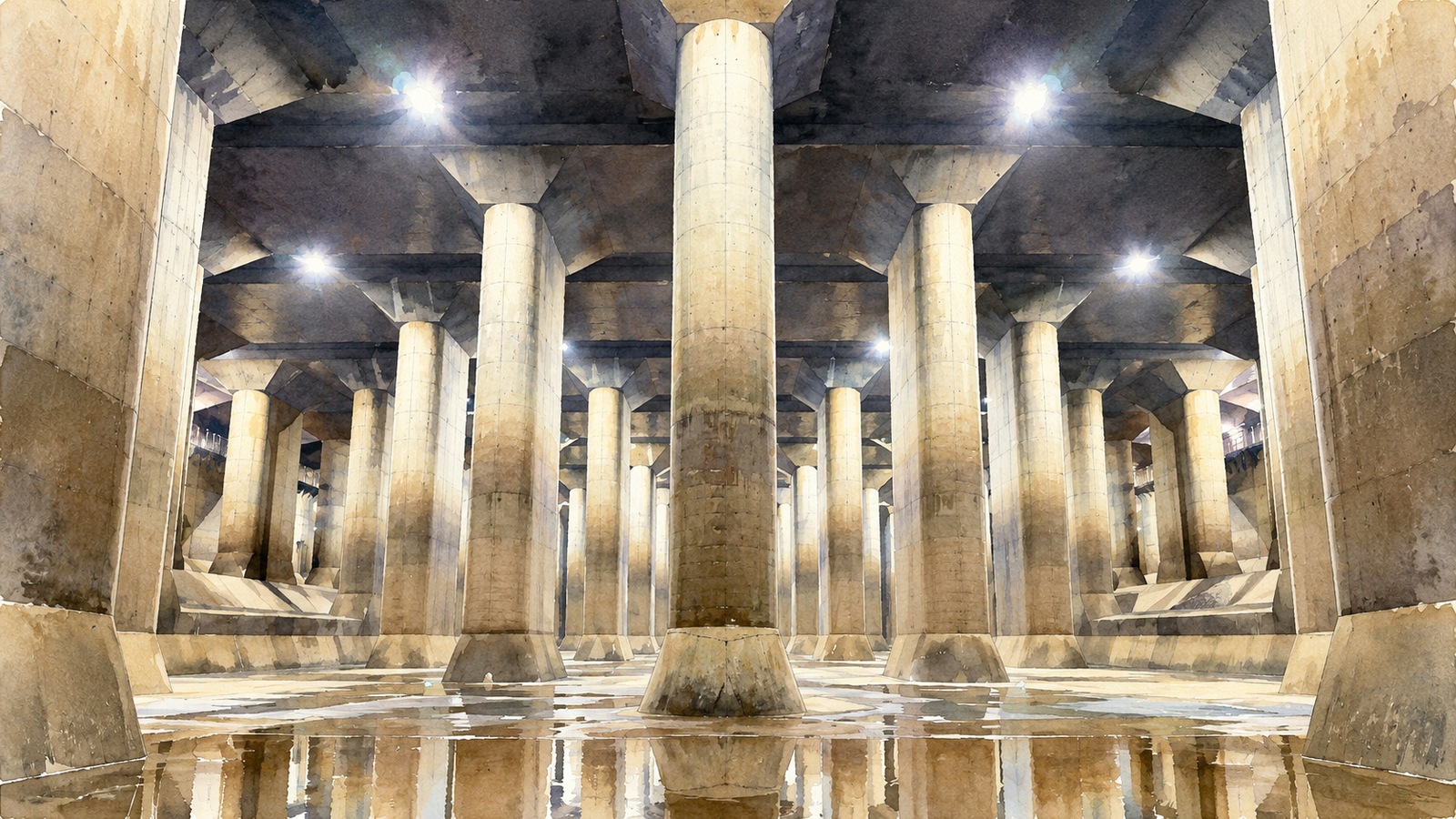
At the Underground Exploration Museum Ryu-Q Kan, part of the Metropolitan Area Outer Underground Discharge Channel, you can see Shin-chan holding Kobaton, Saitama Prefecture’s mascot. The approximately 90-centimeter statue is part of a family-city initiative linking Saitama, Akita, and Kumamoto. The prefecture’s official visitor information lists it as an exhibit beginning March 22, 2025.
Seeing Shin-chan carefully hold Kobaton makes clear how he represents Saitama and connects it to the hometowns of the other families. Unlike the different costumes at City Hall and the roadside station, this statue highlights the relationship among the three prefectures. There is also a Shin-chan stamp at the museum, which visitors can enjoy along with the facility exhibits.
Visiting Ryu-Q Kan and entering the vast underground regulating reservoir have different requirements. The Shin-chan statue is on the first floor, while going underground requires a separate reservation and paid tour.
The address is 720 Kamikanasaki, Kasukabe. The museum is open from 9:30 a.m. to 4:30 p.m., with last admission at 4 p.m. It is closed on Mondays and during the New Year period; temporary restrictions on exhibit access may also apply. This is a place to learn about real water infrastructure while seeing how the series introduces the region.
- Address
- 720 Kamikanasaki, Kasukabe, Saitama
- Connection to the series
- Exhibition center with a Shin-chan statue holding Kobaton and commemorative stamps, installed as part of the family-city project linking Saitama, Akita, and Kumamoto
- Hours and closing days
- 9:30 a.m.–4:30 p.m. (last admission 4 p.m.; separate reservation and fee for the underground regulating reservoir tour); closed Mondays and during the New Year period
Sources:Kasukabe City / Saitama Prefecture / Kasukabe City
Giant Kite Cultural Exchange Center Harukaito | From the kite in Shin-chan’s hands to local culture
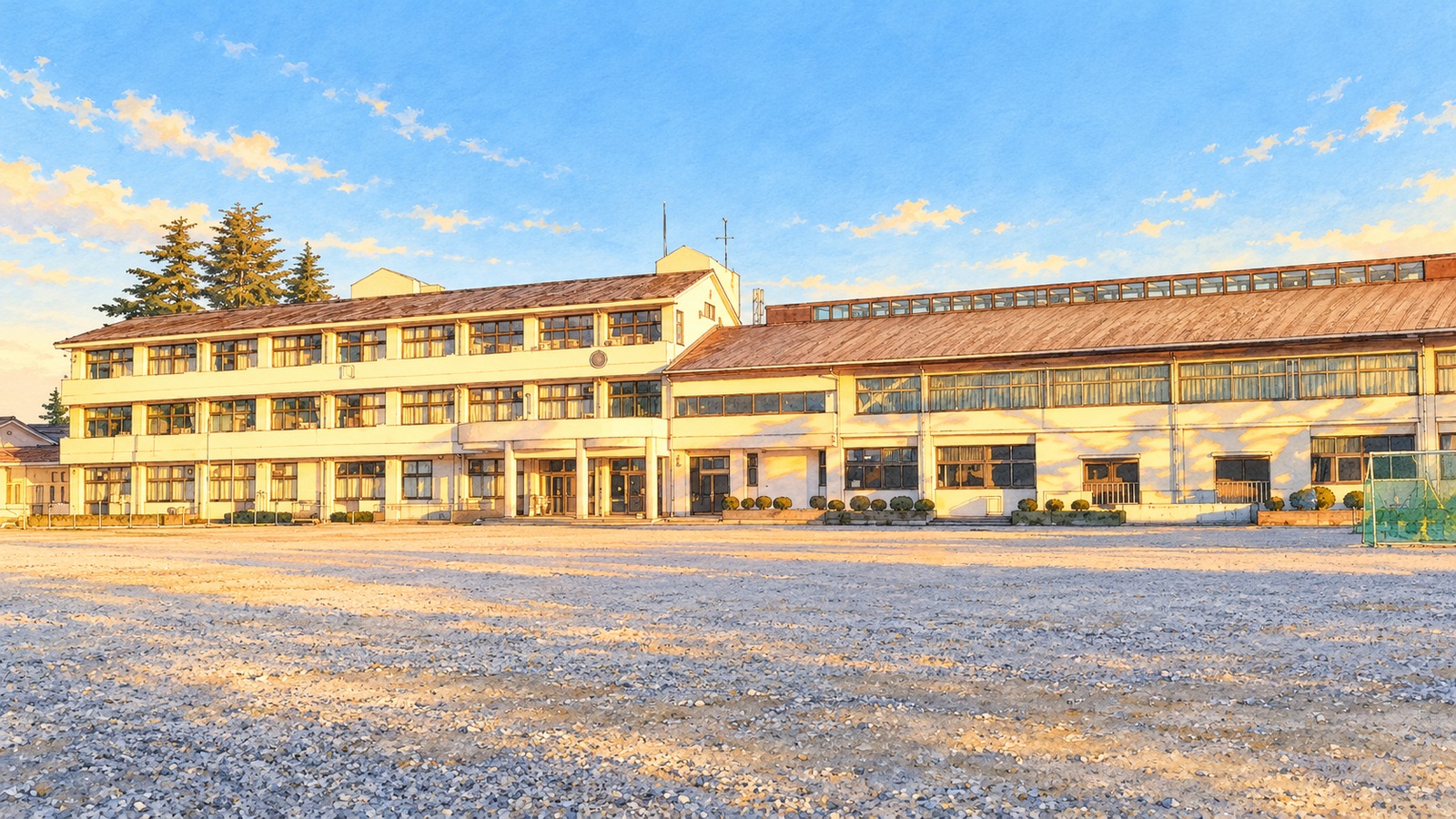
At Harukaito, Shin-chan holds a kite. The approximately 90-centimeter statue stands in front of the second-floor exhibition room. After the swallow and Kobaton costumes, here he appears as a guide to the region’s giant-kite culture.
The center opened in August 2024 as a cultural exchange space. It uses a former school, but visitors should not enter any parts of the school that are still attended by children without permission. Follow the signs for the public exhibition room to see giant kites and learn about local culture.
You can come to see Shin-chan, become curious about the kite in his hands, and then explore the exhibit. Unlike a statue recreating an event from the series, this character invites visitors to look toward the culture of the town today. Compare photos with the swallow statue at the roadside station to see what each facility wants to share.
The address is 593 Nishihoshohana, Kasukabe. Exhibition hours are 9 a.m.–4:45 p.m., separate from the reception hours of 8:30 a.m.–5:15 p.m. and the hours for rental rooms. It is generally closed on Tuesdays (or the next weekday when Tuesday is a holiday) and from December 29 through January 3.
- Address
- 593 Nishihoshohana, Kasukabe, Saitama
- Connection to the series
- Cultural exchange center with a Shin-chan statue holding a kite in front of the second-floor exhibit on the giant-kite culture of the Showa area
- Exhibition hours and closing days
- 9 a.m.–4:45 p.m.; closed Tuesdays (or the next weekday when Tuesday is a holiday) and during the New Year period
Sources:Kasukabe City / Kasukabe City
East and west exits of Kasukabe Station | Look for the Nohara family underfoot
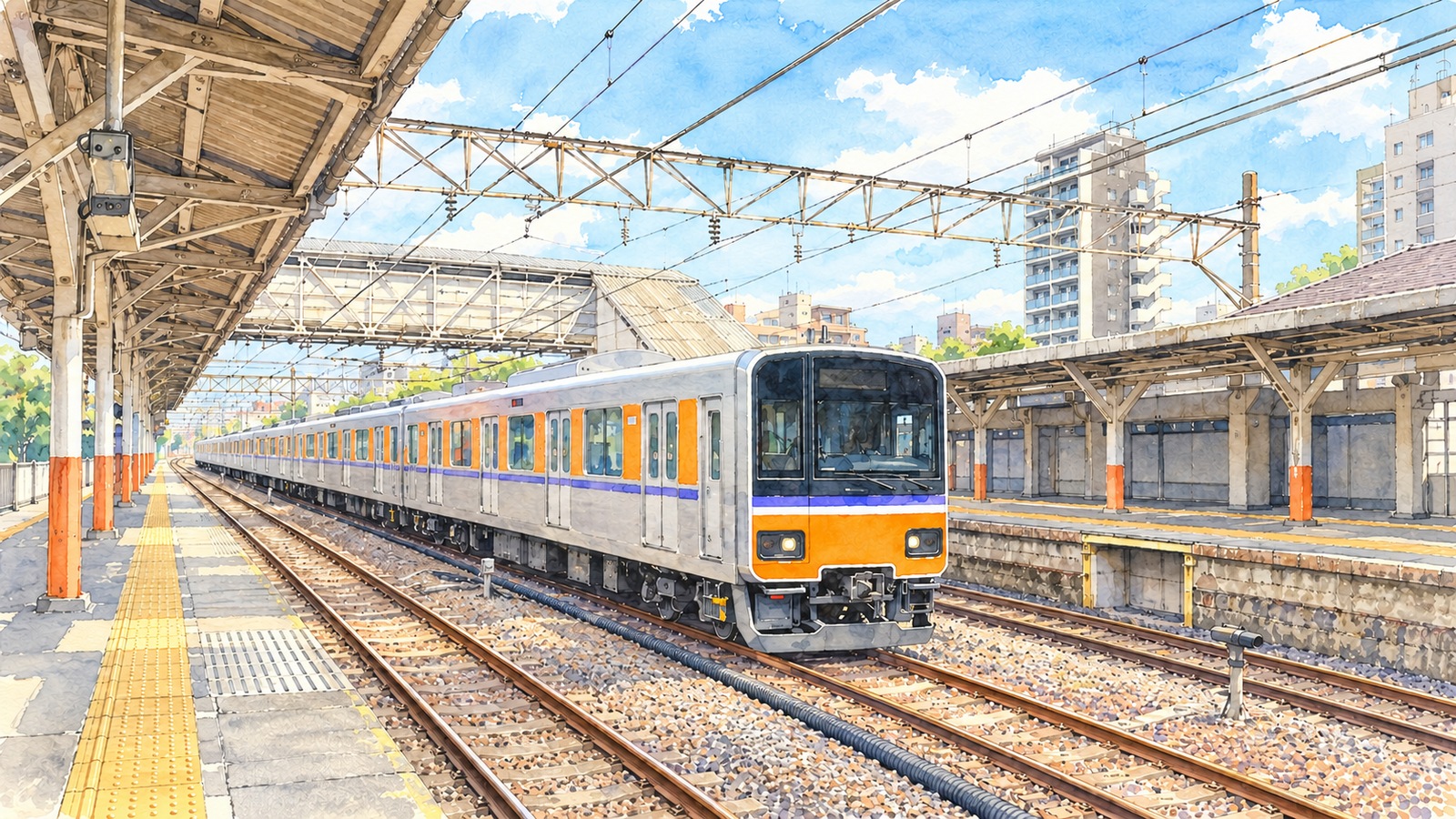
Kasukabe Station as seen in 2022. Construction has since changed the scenery and pedestrian routes, so check current station information.
Around Kasukabe Station, there are decorative manhole covers featuring the Nohara family and wisteria. City information identifies covers on the prefectural-road sidewalk at the east exit and near the west-exit plaza, so you can compare the designs as you walk between the two sides of the station.
The manhole covers are underfoot along the street, an exhibit woven into everyday life in town. By featuring wisteria with the family, they add a sense of place to Kasukabe for people who already know the characters.
Construction to elevate the railway and other work can change the sidewalks and pedestrian routes around the station over time. Use the city’s latest placement information as your guide on site, and remember that the viewing locations are sidewalks shared with commuters and transfer passengers.
The station’s approximate address is 1-10-1 Kasukabe, Kasukabe. The manhole covers are on sidewalks outside the station, so there is no need to enter through the ticket gates. Before heading to the tourist information center, enjoy finding the Nohara family at the town’s gateway.
- Address
- Around 1-10-1 Kasukabe, Kasukabe, Saitama (prefectural-road sidewalk at the east exit and near the west-exit plaza)
- Connection to the series
- Station area with official decorative manhole covers featuring the Nohara family and wisteria, the city flower
- Visiting conditions
- Can be viewed at any time from public sidewalks outside the ticket gates
Sources:Kasukabe City / Kasukabe City / Tobu Railway
Arashi o Yobu Buri-Buri Cinema Studio | Turn the film world into play
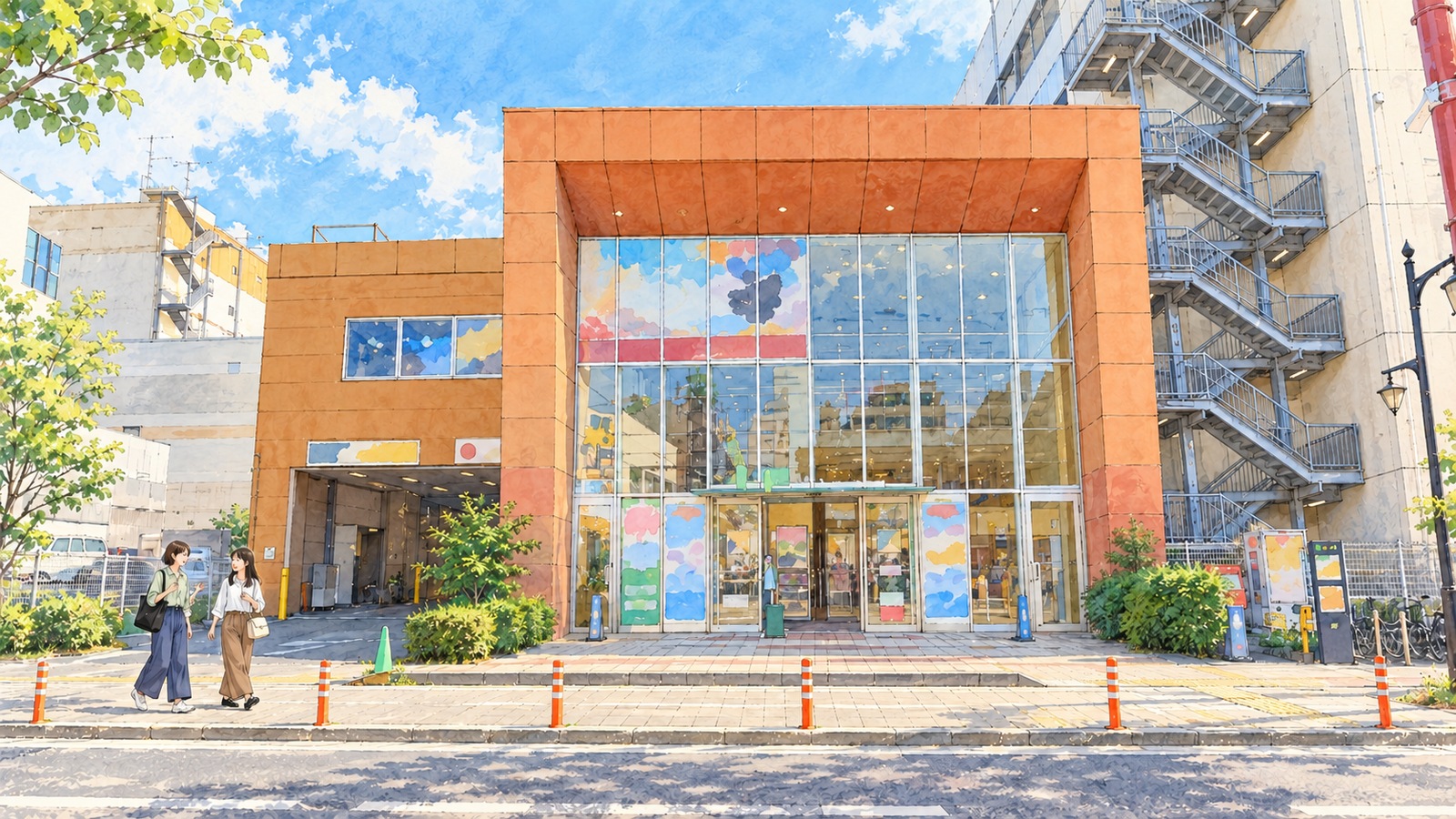
Arashi o Yobu Buri-Buri Cinema Studio, on the third floor of Lala Garden Kasukabe, is an amusement attraction themed around the films. Its opening in November 2007 is also recorded in the series’ official history.
Action Kamen, adults pulled into the past, adventures centered on family—the Crayon Shin-chan films explore many different worlds. If you know the film titles and characters before visiting, you can connect the designs you encounter at the attraction with your memories of the films you have seen.
Unlike the exhibits at City Hall and the station, the main experiences here are playing games and shopping. Check game fees and merchandise prices, then choose what you want to see or play. If you are visiting with children, deciding on a time and budget in advance can make it easier to stop by during a trip.
The address is 1-1-1 Minami, Kasukabe, on the third floor of Lala Garden Kasukabe. It is open from 10 a.m. to 8 p.m. Visitors under 16 must be accompanied by a guardian after 6 p.m.
- Address
- Third floor, Lala Garden Kasukabe, 1-1-1 Minami, Kasukabe, Saitama
- Connection to the series
- Permanent amusement attraction with games based on the Crayon Shin-chan films and official merchandise
- Hours and access
- 10 a.m.–8 p.m. (visitors under 16 must be accompanied by a guardian after 6 p.m.); about a 4-minute walk from the west exit of Kasukabe Station
Sources:Mitsui Fudosan Retail Management | Lala Garden Kasukabe / Crayon Shin-chan Official Portal (Futabasha) / Mitsui Fudosan Retail Management | Lala Garden Kasukabe
Nijigen no Mori’s Nontobi Nohara Area | Film memories and the world of kindergarten
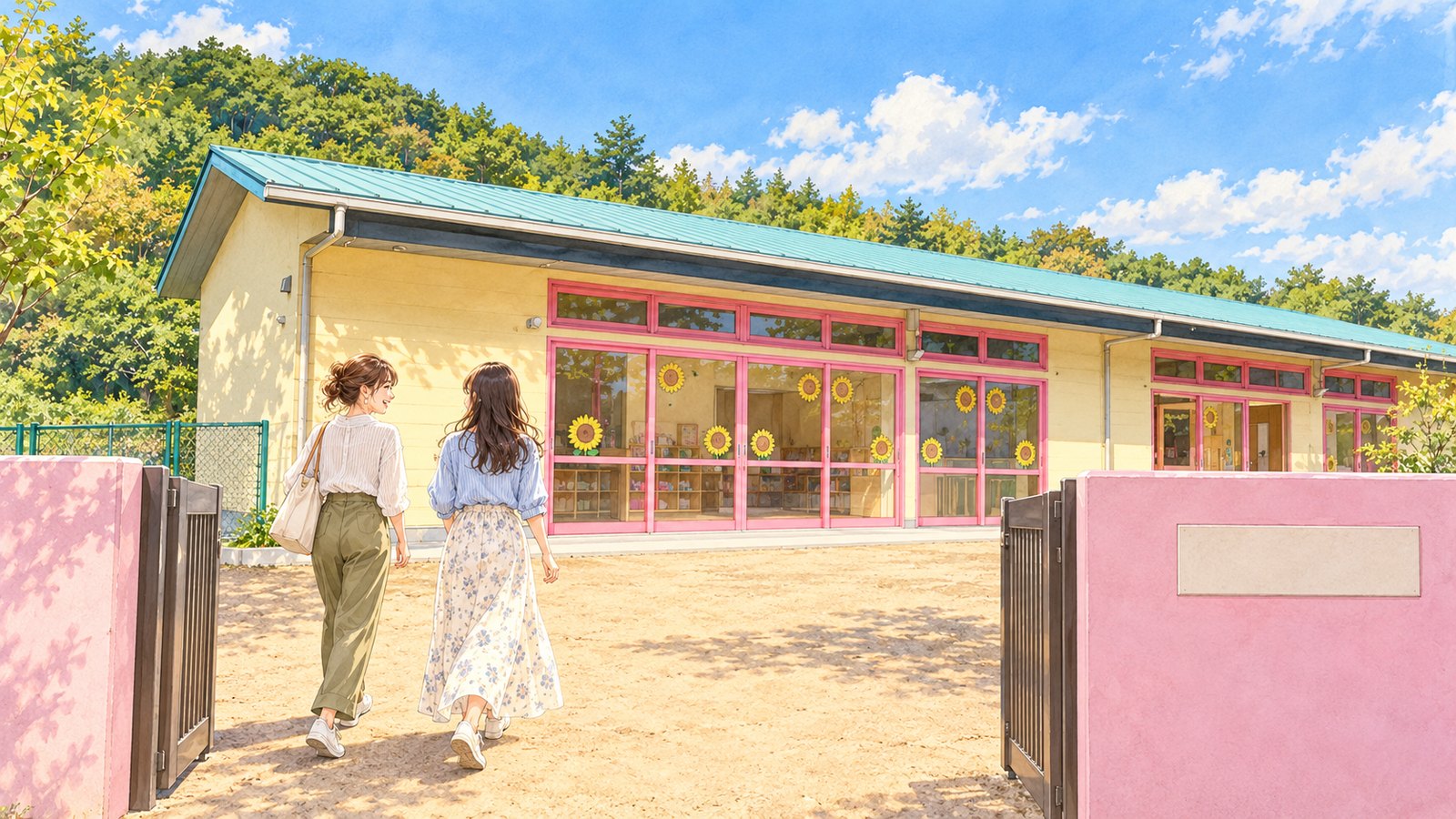
The Nontobi Nohara Area at Nijigen no Mori on Awaji Island is open. It includes the hands-on indoor museum Ora’s Wacky! Buri-Buri House, Futaba Kindergarten, and an Action Kamen Secret Base for children. Visitors can also enjoy a large butt-shaped balloon and exhibits featuring famous scenes from the long-running film series.
Kindergarten is where Shinnosuke meets people outside his family every day. Learning about the personalities of Kazama-kun, Nene-chan, Masao-kun, and Bo-chan before your visit can bring their friendships to mind, beyond simply admiring a cute building.
The athletic course and zipline closed on October 12, 2026, and renovations are planned with a reopening targeted for spring 2027. The Nontobi Nohara Area remains open and is currently available for visits and activities.
The address is 2425-2 Kusumoto, Awaji, Hyogo, inside Hyogo Prefectural Awajishima Park. The Nonbiri Ticket is generally ¥1,800 for adults and ¥2,000 for children from age five through elementary school. It covers separate activities for children and exhibits for adults to supervise. Regular hours are 10 a.m.–5 p.m.
- Address
- Inside Hyogo Prefectural Awajishima Park, 2425-2 Kusumoto, Awaji, Hyogo
- Connection to the series
- Hands-on area with a recreation of Futaba Kindergarten, an indoor museum, and three-dimensional exhibits of famous scenes from the films
- Hours and indicative prices
- 10 a.m.–5 p.m.; Nonbiri Ticket: ¥1,800 for adults and ¥2,000 for children (ages 5 through elementary school)
Sources:Nijigen no Mori / Nijigen no Mori / Nijigen no Mori
ASO MILK FACTORY | Meet Shin-chan dressed as Kumamon in Misae’s hometown
At ASO MILK FACTORY in Aso, Kumamoto, Shin-chan is dressed as Kumamon. It is Kumamoto’s family-city statue, relocated from Aso Volcano Museum on April 1, 2026. If you follow older information to the museum, you will not find it, so note the current venue’s name.
Kumamoto is connected to the series through the story that it is the hometown of Shin-chan’s mother, Misae. The family-city project extends the journey beyond Saitama, where the Nohara family lives now, to the parents’ hometowns. The statue combining Kumamon and Shin-chan makes that connection immediately clear.
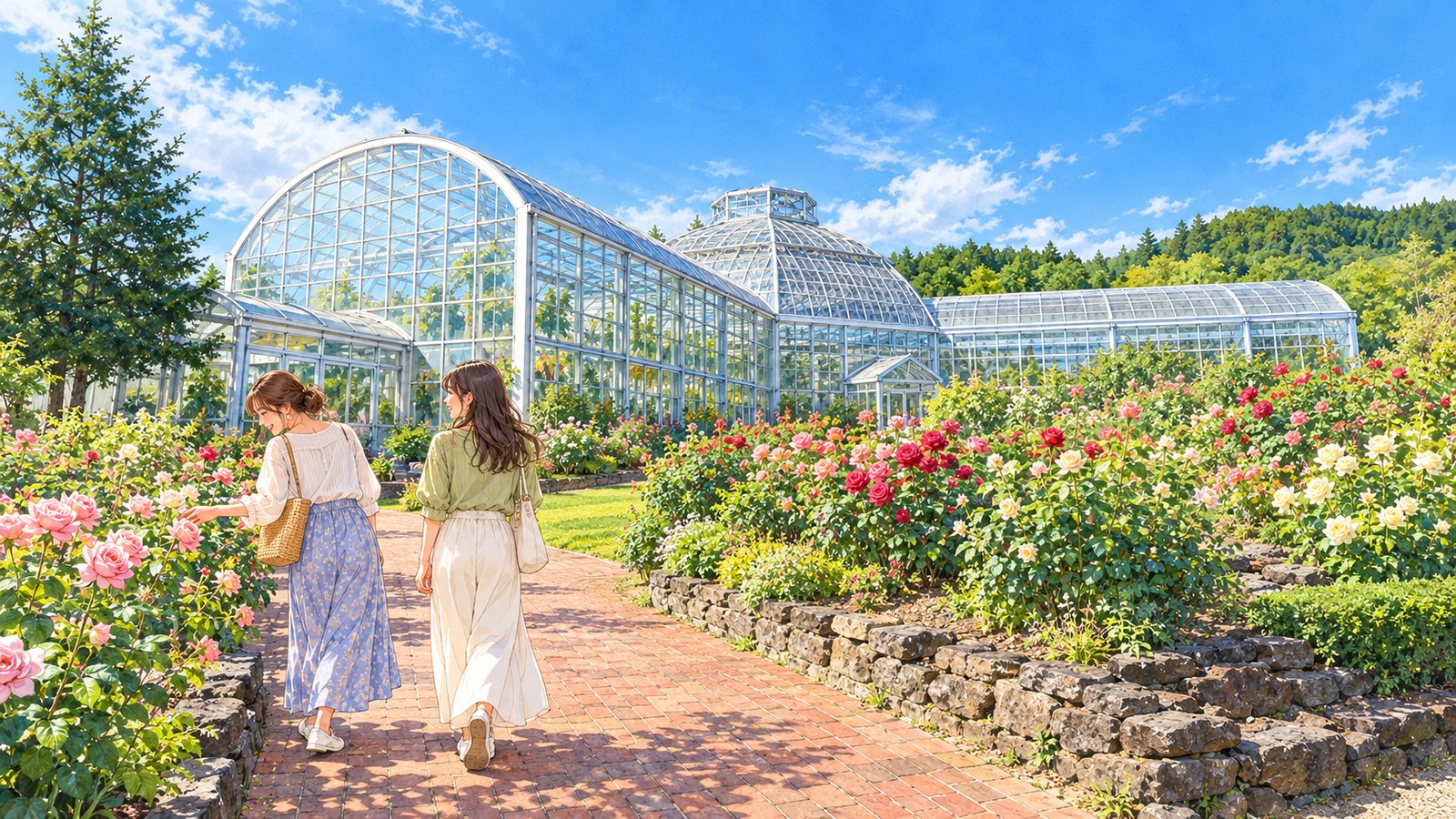
The facility also has shops, a café, and a rose garden. Visitors can combine a look at the Shin-chan statue with Aso dairy products and the garden, making it an official tourism and cultural-exchange spot that shares the connection to Kumamoto.
The address is 781 Kori, Aso, Kumamoto. It is open year-round. Shops and the café are open from 9:30 a.m. to 6 p.m., with the café’s last order at 5:30 p.m. The rose garden is listed as open from 9:30 a.m. to 5 p.m. Domes and other facilities may have separate conditions, so check the latest visitor information if you plan to visit them as well.
- Address
- 781 Kori, Aso, Kumamoto
- Connection to the series
- Facility with the Shin-chan statue dressed as Kumamon, relocated in April 2026 as Kumamoto’s family-city monument. Kumamoto is the hometown of his mother, Misae.
- Hours
- Shops and café: 9:30 a.m.–6 p.m. (café last order 5:30 p.m.); rose garden: 9:30 a.m.–5 p.m.; open year-round
Sources:Crayon Shin-chan Official Portal (Futabasha) / ASO MILK FACTORY | Abe Ranch
Omagari Station Grand Porte | Learn about Akita, Hiroshi’s hometown
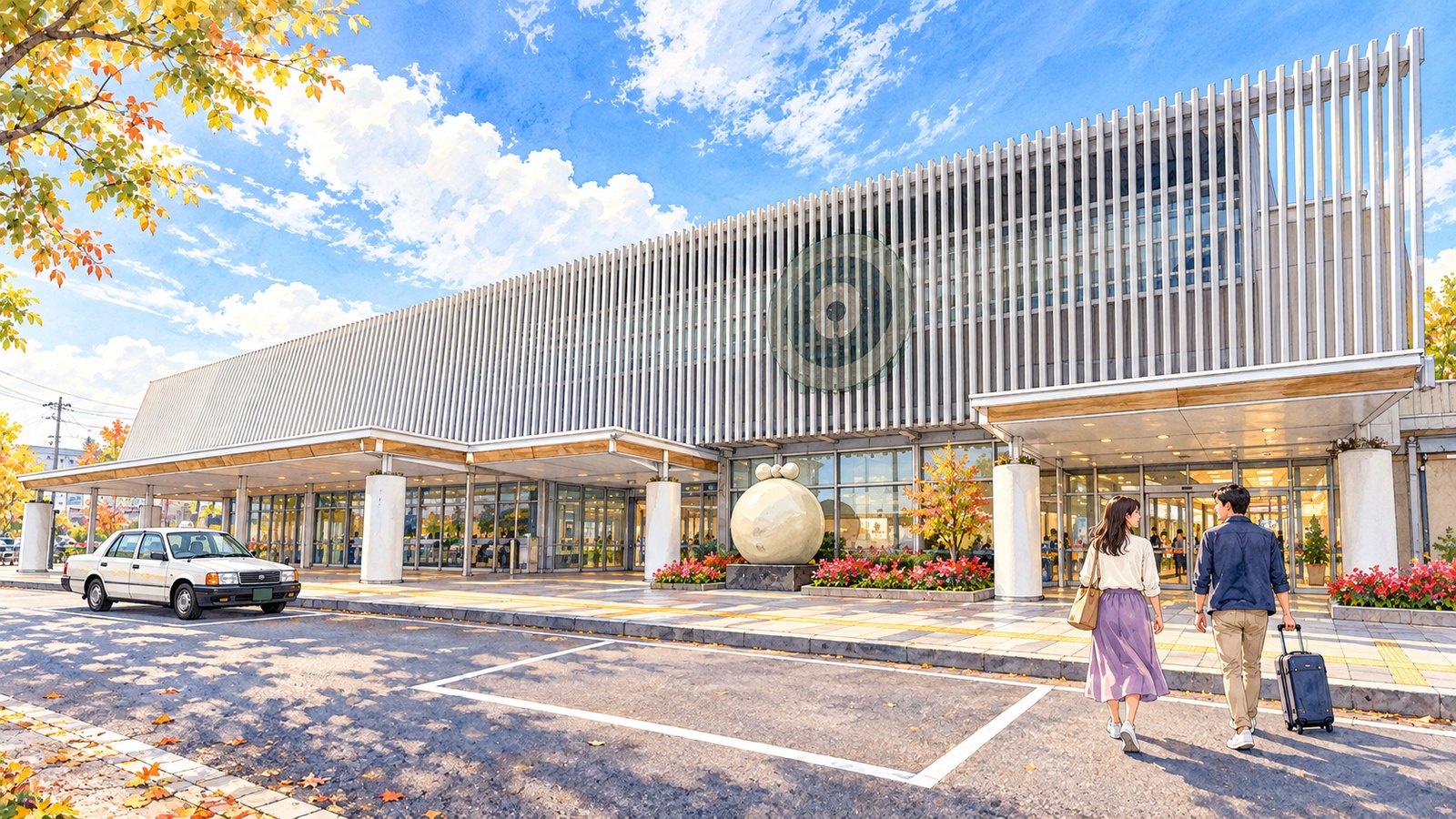
Akita’s family-city statue is at the tourist information center in Omagari Station. This is its current location, also listed in the railway operator’s official tourist information. While the Kumamoto exhibit is connected to Misae, this one grew from the connection to the hometown of Shin-chan’s father, Hiroshi.
Hiroshi works at Futaba Trading and is depicted at home as a father raising Shinnosuke and Himawari. Remembering both his everyday work commute and his efforts to protect his family in the films makes the connection with Akita feel like a specific part of the family’s background. It is a visit that reminds you that even the Nohara parents had hometowns before they moved into their current home.
The tourist information center, Grand Porte, is also a place to find travel information about Akita and Daisen City. Each time you visit Akita, Saitama, or Kumamoto, you can enjoy finding another connection to the Nohara family.
The address is inside JR Omagari Station at 6-5 Omagaritorimachi, Daisen, Akita. The tourist information center is open from 9 a.m. to 7 p.m. and is closed on January 1. Since it is outside the ticket gates, you can visit without boarding a train or entering the paid area.
- Address
- Inside JR Omagari Station, outside the ticket gates, 6-5 Omagaritorimachi, Daisen, Akita
- Connection to the series
- Tourist information center inside the station with Akita Prefecture’s family-city monument, connected to the hometown of Shin-chan’s father, Hiroshi
- Hours and closing day
- 9 a.m.–7 p.m.; closed January 1; viewable without a train ticket because the center is outside the ticket gates
Sources:Yuri Kogen Railway / Daisen City Tourism and Products Association / Crayon Shin-chan Official Portal (Futabasha)
Get to know Crayon Shin-chan | Family and friends at the heart of the adventures
The statues’ costumes reflect local features, but the Nohara family’s relationships connect all the places. Who Shinnosuke cares about, who scolds him, and who he plays with—knowing those everyday relationships adds more expressions to remember in the city exhibits and favorite scenes from the films.
The Nohara family and the Kasukabe Defense Force
Shinnosuke Nohara is a five-year-old who loves Action Kamen. He pulls those around him into a commotion while doing things at his own pace. His father, Hiroshi Nohara, is a salaryman devoted to his family, known also for his strong foot odor. His mother, Misae Nohara, works hard raising their energetic children.
His younger sister, Himawari, is a curious baby who loves shiny accessories and handsome people. Shiro is the dog Shinnosuke picked up. More than an owner and pet, they are family with a friendship-like bond. The everyday life of the family comes to mind when you see Shiro at City Hall or the statues of the siblings at Plat Kasukabe.
At kindergarten, Kazama-kun is knowledgeable and confident; Nene-chan loves elaborate pretend play; Masao-kun is a timid, tearful aspiring manga artist; and Bo-chan collects stones and can be counted on when it matters. The Kasukabe Defense Force is fun because children with different talents and reactions take action together. The recreation of the kindergarten on Awaji Island can also bring their personalities and relationships to mind.
From Yoshito Usui’s manga to the work of UY Studio
The original manga began serialization in Weekly Manga Action in 1990. Its creator was Yoshito Usui. Before the television anime began, the pages of the manga were already showing the everyday lives of Shinnosuke and his family. When looking at reproduction artwork around town, notice not only the words in the speech bubbles but also the characters’ expressions as they speak.
Serialization of New Crayon Shin-chan began in 2010, credited to “Yoshito Usui & UY Studio.” The official introduction to Volume 1 describes how the staff worked through trial and error to carry on the series’ style. Volume 1 of the original manga and Volume 1 of New Crayon Shin-chan are not simply two cover versions of the same book.
An interview with the Futabasha editorial team describes checking storyboards, submitting pages, proofreading, and final approval for the web serialization twice a month. Behind the series’ continuation is the concrete process of getting finished drawings ready for publication. The manga lines you see at the tourist information center can be a way into learning about this work. When you return to the books or the ongoing series, you can also think about the work of the people who make it.
From imitation to playing a free-spirited five-year-old
Shin-chan’s voice passed from Akiko Yajima to Yumiko Kobayashi, who took over starting with the broadcast on July 6, 2018. In a 2021 TV Asahi interview, Kobayashi recalled that at first she focused on making her voice resemble her predecessor’s, comparing the waveforms of their lines.
She also said the director and sound director advised her to play the role freely, with an open and carefree spirit, which helped her move toward enjoying the performance. The challenge of inheriting a familiar voice and the work of vividly playing the five-year-old in front of her are both part of her story.
The same interview also discusses the relationship between Tomoyuki Morikawa, who voices Hiroshi, and the previous voice actor, Keiji Fujiwara. Even longtime viewers who have heard the family’s voices for years may find it fresh to watch while knowing the performers’ names. Statues have no voices, but at a glance, everyday exchanges or film dialogue may come to mind—a result of the years the anime has accumulated.
The future the children try to protect in The Storm Called: The Adult Empire Strikes Back
In the ninth film, released in 2001, the Expo of the 20th Century appears in Kasukabe and draws the adults toward a nostalgic way of life. Parents abandon work and housework, leaving Shinnosuke to take care of Himawari.
As Ken and Chako’s plan advances, the Kasukabe Defense Force sets out to reclaim the future. The children, who are usually scolded by their parents, now have to face a situation in which the adults do not return. The more you know about the everyday relationships in the Nohara family and among their friends, the greater that change feels.
The Expo of the 20th Century is a fictional setting created for the film, not a direct depiction of a real facility in Kasukabe. After enjoying the film’s story, visiting today’s exhibits can make you appreciate even more the value of the Nohara family’s ordinary days together.
The dinosaur Shiro welcomed and the 35th-anniversary artwork
In the 2024 film Our Dinosaur Diary, a memorable moment comes when Shiro brings home a lonely dinosaur he meets on a riverbank. The scene echoes how Shinnosuke picked Shiro up and how they gradually became a family. The Futabasha editorial team explained that the film inspired the original manga’s 35th-anniversary art, which featured “Shin-chan and Shiro.”
You can play this video in the official video at the top of this page ↑
An event in a film can inspire anniversary artwork, which then reaches people who encounter it in merchandise or books. The series’ development is about more than putting the same character in different places. The creators had a specific idea: to express the warmth of the Nohara family through Shiro’s perspective.
When you see Shiro’s statue at City Hall, you can also remember him as a family member who knows what it feels like to be welcomed. Moving between the film and the city exhibit adds more stories to a single statue.
- Where they live
Saitama Prefecture (Kasukabe)
The setting where the Nohara family lives. A variety of Shin-chan statues appear at City Hall, the tourist information center, and the roadside station; at Ryu-Q Kan, you can meet him holding Kobaton.
- Father’s hometown
Akita Prefecture (Daisen)
The hometown of Hiroshi, the father. The family-city statue is at the Grand Porte tourist information center inside JR Omagari Station, sharing a feature of the local area.
- Mother’s hometown
Kumamoto Prefecture (Aso)
The hometown of Misae, the mother. The Shin-chan statue dressed as Kumamon was relocated to ASO MILK FACTORY in Aso, where it welcomes visitors.
Sources:List of official materials and facility information
Milestones as the series expanded from manga and anime into the community
Crayon Shin-chan began with the manga’s serialization in 1990, then gradually expanded through the television anime, theatrical films, and collaborations with Kasukabe City and the family-city communities. The timeline below highlights key points where the series’ history and local initiatives came together.
- 1990
August Serialization begins in the September 4 issue of Weekly Manga Action. The everyday lives of Shinnosuke and his family begin on the manga page.Serialization - 1992
April Volume 1 of the comic is released and the television anime begins. Voices and movement are added to the manga’s lines.Broadcast - 1993
July The first film, Action Kamen vs. the High Grade Devil, is released. The hero Shinnosuke admires leads him into a major adventure.Film - 2001
April The Adult Empire Strikes Back is released. In April 2002, The Battle of the Warring States is released and wins awards including the Grand Prize in the Animation Division of the Japan Media Arts Festival.Award - 2004
April The city issued special resident certificates for the Nohara family to mark Kasukabe’s 50th anniversary as a city. This was a milestone in the city’s official efforts to connect the family with introducing the town.Community - 2006
March The series’ snack, Chocobi, is commercialized. In November 2007, Buri-Buri Cinema Studio opens in Kasukabe, expanding the experience into food and play.Initiative - 2010
August Serialization of New Crayon Shin-chan begins. Volume 1 is released in July 2012, continuing the manga world with UY Studio.Serialization - 2014
April Gachinko! Gyakushu no Robo To-chan is released and wins an Excellence Award at the Japan Media Arts Festival. The series adds another film about fathers and family.Award - 2018
July 6 The broadcast featuring Yumiko Kobayashi as the voice of Shin-chan begins. The voice role passes to its next performer.Broadcast - 2022
July The family-city agreement linking Akita, Saitama, and Kumamoto begins. The family’s current home and the parents’ hometowns are connected through tourism exchange.Community - 2023
August The first 3D CG film, New Dimension! Crayon Shin-chan the Movie, is released. In January 2024, the manga’s serialization moves to the web, changing how the work is presented and delivered in both film and manga.Film - 2025
June Projects for the original manga’s 35th anniversary begin. On April 1, 2026, the Kumamoto statue moves to ASO MILK FACTORY, updating where visitors can meet Shin-chan in the region.Anniversary
Sources:List of official materials and facility information
Read and watch before or after your trip | The first manga volume and films about family
Looking back at the manga or films before or after visiting Kasukabe and the family-city exhibits can help you feel more connected to Shin-chan and his family at each stop. Here is a guide to the original volume and film works that reveal the connections among the three prefectures.
The first volume of the original manga and the story of New Crayon Shin-chan
If you want to start with the manga, try Volume 1 of Crayon Shin-chan by Yoshito Usui. The official portal lists its release date as April 11, 1992, and gives the 10-digit ISBN as 4575932922. Described as “The Story of Me and Mom as Friends,” it is a volume that returns to the everyday life of Shinnosuke and Misae.
Volume 1 of New Crayon Shin-chan was released on July 13, 2012, credited to Yoshito Usui & UY Studio. Its ISBN is 9784575943542, and it is an A5-size book. When buying, check whether the title includes “New” and verify the author credit to distinguish it from the original series.
After seeing reproduction artwork during your trip, reading the book lets you follow the exchanges that surround each image. You can notice not only what Shinnosuke says but also Misae’s expression and who reacts in the next panel. It is a way to move between memories of the anime and the manga.
Films about family and family-city promotional videos
For films, The Adult Empire Strikes Back, which explores family and the future, and Our Dinosaur Diary, which recalls how Shiro became part of the family, connect closely with the exhibits around Japan. Watching scenes of the family’s everyday exchanges alongside moments from the films’ later parts brings the bonds among the Noharas into sharper focus.
In the official family-city tourism videos, a costumed Shin-chan visits Saitama, Akita, and Kumamoto.
Sources:List of official materials and facility information
Research note | A business perspective: Turning the parents’ hometowns into reasons for three prefectures to take part
Saitama is where the Nohara family lives; Akita is Hiroshi’s hometown; and Kumamoto is Misae’s. Each prefecture is connected to the same series while representing a different part of the family’s story. Exhibits in Kasukabe also incorporate features of each place, such as swallows, kites, and Kobaton.
The Futabasha editorial team explains that uses by companies and others are reviewed for consistency with the series’ tone and characters. In this example, the relationship between a character and a place is the foundation of the project, before local specialties are added. When several regions work together, assigning each a different family background to introduce—rather than distributing the same design everywhere—can communicate regional differences as part of one family’s story.
Sources:List of official materials and facility information
Sources
- Shin-Ei Animation
- Comam, designated operator of Kasukabe City’s No. 1 Children’s Center
- ASO MILK FACTORY | Abe Ranch
- Crayon Shin-chan Official Portal (Futabasha) | Crayon Shin-chan, Volume 1
- TV Asahi | Shin-chan and friends
- Mitsui Fudosan Retail Management | Lala Garden Kasukabe | Crayon Shin-chan arcade: Arashi o Yobu Buri-Buri Cinema Studio
- Mitsui Fudosan Retail Management | Lala Garden Kasukabe | Access and parking
- Futabasha
- Crayon Shin-chan Official Portal (Futabasha) | Family-city project / Akita Prefecture
- Crayon Shin-chan Official Portal (Futabasha) | Family-city project / Kumamoto Prefecture
- Crayon Shin-chan Official Portal (Futabasha) | Family-city project / Saitama Prefecture
- Kasukabe City | Crayon Shin-chan tourism guide / official Kasukabe City website
- Kasukabe City | Giant Kite Cultural Exchange Center Harukaito / official Kasukabe City website
- Crayon Shin-chan Official Portal (Futabasha) | Official portal site | History
- Kasukabe City | Crayon Shin-chan decorative manhole covers installed / official Kasukabe City website
- Kasukabe City | Crayon Shin-chan character monuments and other displays / official Kasukabe City website
- Kasukabe City | Welcome to the City Museum of Local History / official Kasukabe City website
- Nijigen no Mori | Crayon Shin-chan Adventure Park / official Nijigen no Mori website
- Nijigen no Mori | Access
- Nijigen no Mori | Renovation planned for next spring: Thank you for visiting! The athletic course and zipline at Crayon Shin-chan Adventure Park have closed.
- Daisen City Tourism and Products Association
- Yuri Kogen Railway
- Kasukabe City | Plat Kasukabe information center / official Kasukabe City website
- Crayon Shin-chan Official Portal (Futabasha) | Official portal site
- Kasukabe City | Underground Exploration Museum Ryu-Q Kan / official Kasukabe City website
- Saitama Prefecture
- Kasukabe City | Roadside Station Showa / official Kasukabe City website
- Tobu Railway
- TV Asahi | Tele-Asa POST: Yumiko Kobayashi chosen as Shin-chan’s voice actor: “Awe and respect for Akiko Yajima”
- TV Asahi | Tele-Asa POST: Voice actor Yumiko Kobayashi on taking over as the second Shin-chan: struggling with the role and nights without sleep
- Crayon Shin-chan Official Portal Channel (YouTube)
- Crayon Shin-chan Official Portal | New Crayon Shin-chan, Volume 1
- Our Dinosaur Diary official site
- Toho MOVIE Channel | Crayon Shin-chan the Movie: Our Dinosaur Diary trailer
Event periods, opening hours, and ticket information reflect the time of writing. Check each official website for the latest details before you go.
FAQ
Can I visit the Nohara family’s house in real life?
The address in the series is fictional, and no private home used as a model has been made public. In Kasukabe, plan to visit official exhibits and attractions such as City Hall and the tourist information center.
Where are the statues from the former Ito-Yokado Kasukabe store now?
After the store closed, Shiro’s statue was relocated to Kasukabe City Hall, while the statues of Shinnosuke and Himawari moved to the tourist information center, Plat Kasukabe.
Can I try the zipline and athletic course at Nijigen no Mori on Awaji Island?
The athletic course and zipline closed on October 12, 2026, as the park prepares for a renovation planned for spring 2027. The Nontobi Nohara Area, including Futaba Kindergarten and the indoor museum, remains open.
If I visit Ryu-Q Kan, can I enter the underground discharge channel and regulating reservoir?
The museum exhibits and Shin-chan statue can be viewed without a reservation. To enter the underground regulating reservoir, you need a separate advance reservation and paid tour booking.
Is the Kumamoto Shin-chan statue at Aso Volcano Museum?
It used to be in front of Aso Volcano Museum, but on April 1, 2026, it was relocated to ASO MILK FACTORY in Aso City. You can now see it on the facility grounds.
How are the monuments in Kasukabe arranged?
Kasukabe City Hall, Plat Kasukabe, and Lala Garden Kasukabe are clustered within walking distance of Kasukabe Station. Roadside Station Showa, Ryu-Q Kan, and Harukaito are farther away in the Showa area, so a local bus, taxi, or car is more practical.
Can I see the Shin-chan exhibit at Kasukabe City Museum of Local History?
The museum is closed for renovation, currently planned through March 2028. Kasukabe City will announce the reopening schedule and exhibit status through its official information.


