

Hula Girls Pilgrimage: Spa Resort Hawaiians, Film Costumes, and a Railway Station
The film Hula Girls tells how the Joban Hawaiian Center came to be established in Iwaki, Fukushima. The facility that inspired it is now Spa Resort Hawaiians. Visitors can watch the dancing team perform and trace the resort’s history alongside costumes and panels from the film.
Sources: Hawaiians official site: history / Time Tunnel exhibits
The station scene near the end of the film was shot at Nakaminato Station in Hitachinaka, Ibaraki. Shin-Ochiaibashi, a wooden bridge in Hitachiota, was another filming location. The Iwaki setting, memories of the coal industry, and Ibaraki’s station buildings preserve a regional story of dance—from dancer training in 1965 and the resort’s opening in 1966 to the present.
Visit the Film Locations and Settings of Hula Girls
① Spa Resort Hawaiians
The resort that inspired the film, where visitors can see the current dancing team perform. Day and evening shows run here, with an additional early-evening program at another venue.
Details: Spa Resort Hawaiians② Hawaiians Time Tunnel
Opened in February 2026, this exhibit traces the transition from coal mining to leisure resort and displays film panels and costumes.
Details: Hawaiians Time Tunnel③ Horuru Coal and Fossil Museum
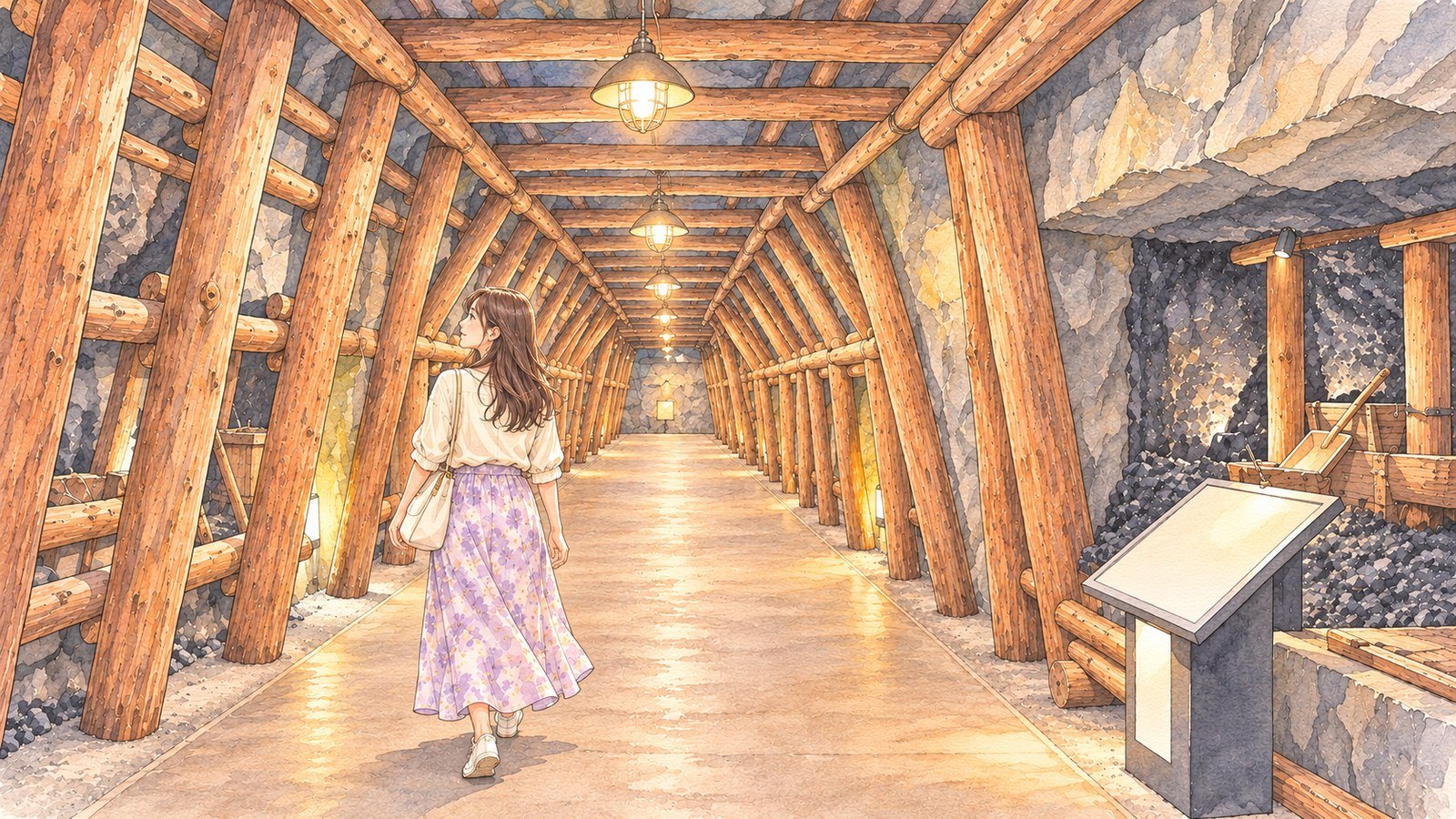
Learn about the Joban coalfield’s industry and daily life through a recreated mine tunnel and coal-mining homes.
Details: Iwaki Coal and Fossil Museum Horuru④ Nakaminato Station
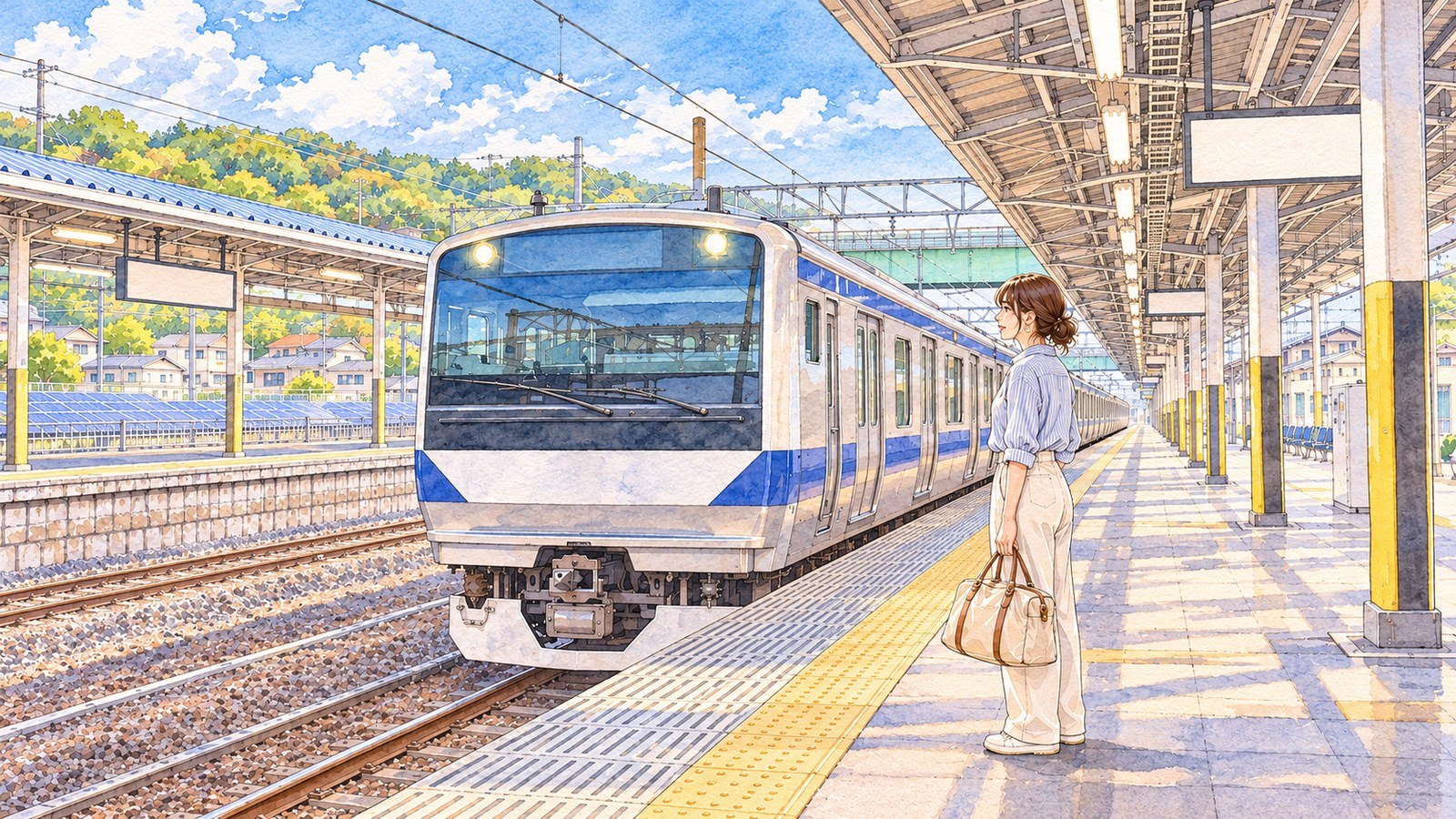
The station used for the film’s closing scenes. The wooden station building from the line’s 1913 opening remains at this central Minato Line station.
Details: Nakaminato Station, Hitachinaka Seaside Railway⑤ Shin-Ochiaibashi Bridge
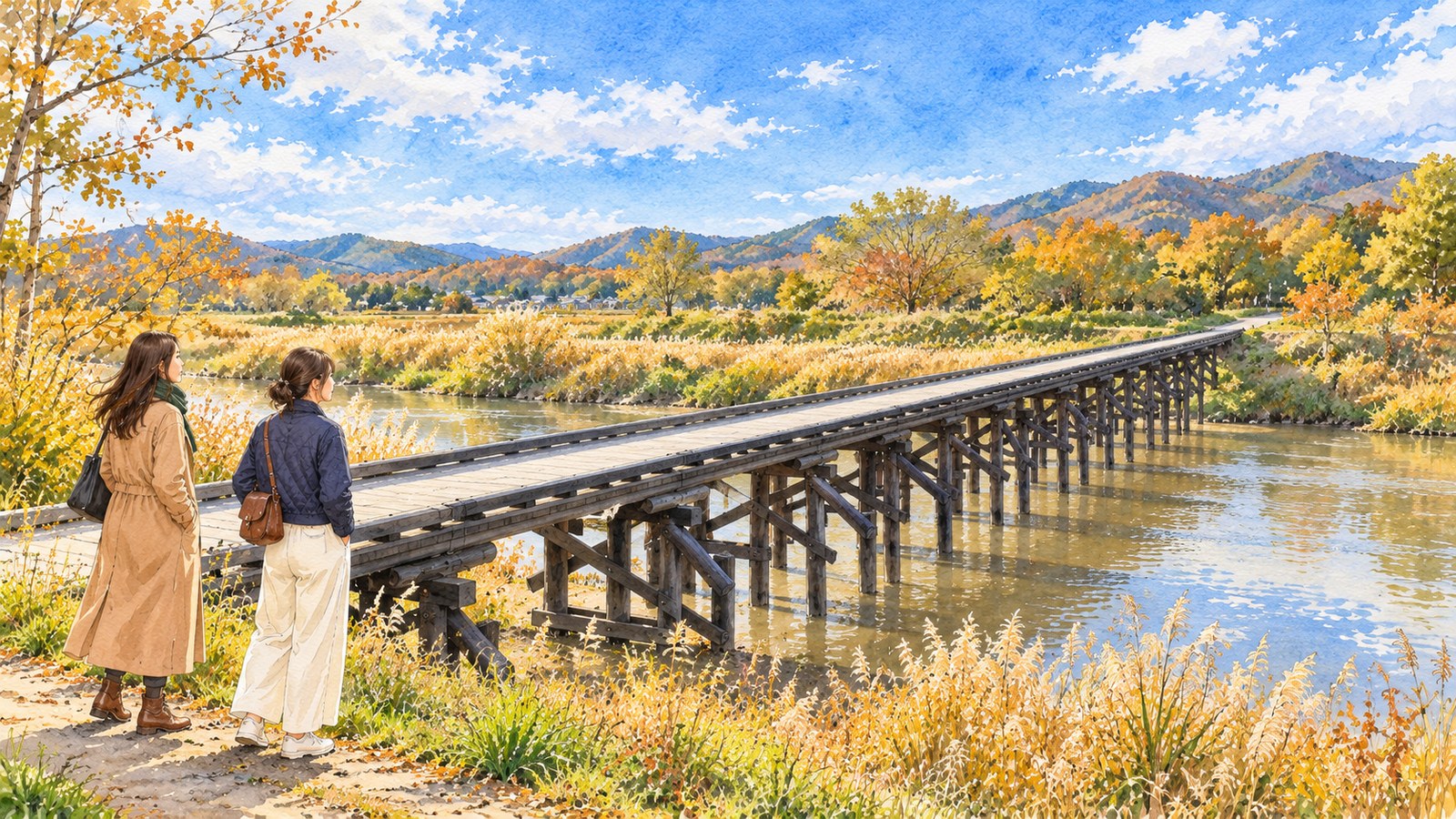
A wooden bridge with rows of slender supports, used during filming in 2006.
Details: Shin-Ochiaibashi Bridge① Spa Resort Hawaiians | Watch the Current Dancing Team Perform
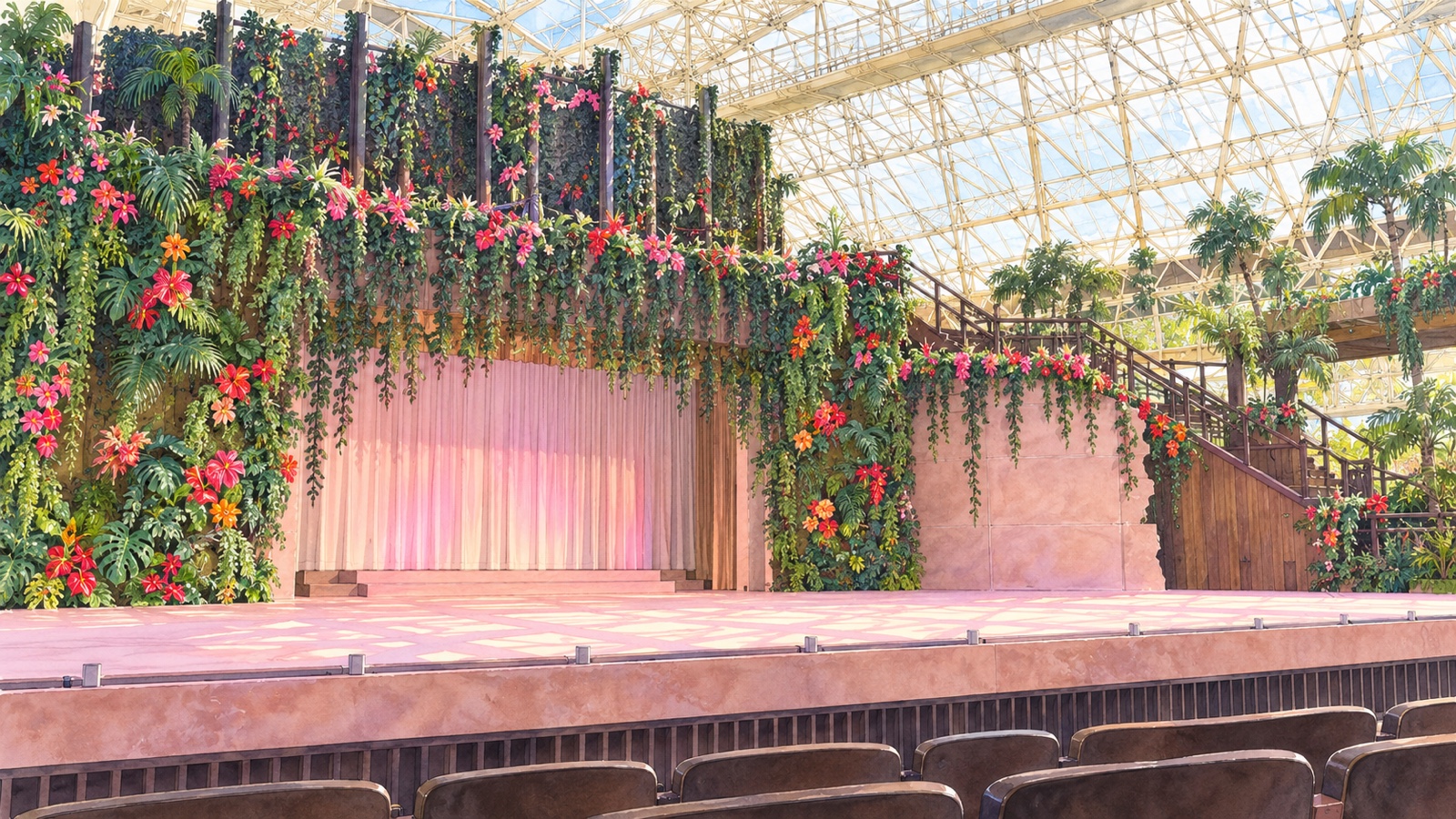
The resort’s predecessor was the Joban Hawaiian Center, which opened on January 15, 1966. The film was inspired by people involved in creating the facility. The dancing team is still active, performing at venues such as the Beach Theater in the Water Park.
The October 2026 daytime show is Ke Aloha, featuring hula and Polynesian dance around themes of friendship and love. In the evening, the resort presents Haku Lei: Bonds of Aloha. Haku refers to a method of braiding a lei, and the show builds on the idea of weaving one’s feelings for others.
Parts of the resort were also used as filming locations. Today, its permanent stage features dancers who trained at the Joban Music and Dance Academy. A live set by the resident band accompanies hula and Tahitian dance in one show.
Paid reserved seats for the shows can be booked separately from resort admission. The daytime show also offers general-admission seating. Reservations for both daytime and paid evening seats are handled on the official show-booking page.
- Location
- 50 Warabidaira, Joban-Fujiwaramachi, Iwaki, Fukushima Prefecture
- Connection to the film
- The resort grew from the Joban Hawaiian Center, which inspired the film; locations inside the resort were also used for filming
- Performance venues
- Beach Theater in the Water Park and Spring Park Plaza
- Highlights
- Live music by the resident Etena Tahitians band and daytime and evening performances by the dancing team
Sources: Dancing team and performance information / show reservations
② Hawaiians Time Tunnel | Film Costumes and the Resort’s History
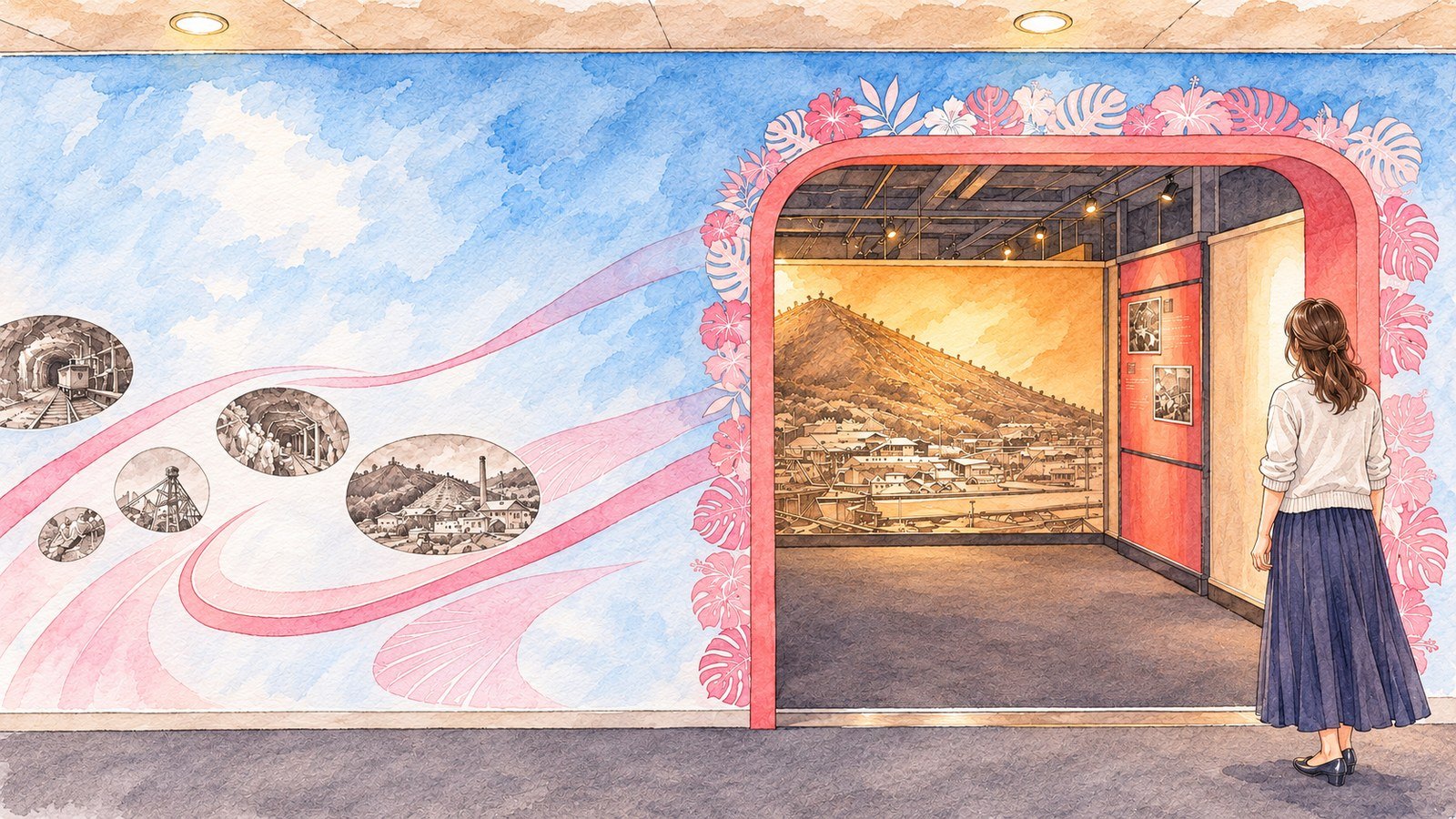
Hawaiians Time Tunnel: A Miracle from the Coal Mines, on the second floor of Spring Park, presents the history from the coal-mining era to the creation of the Joban Hawaiian Center. Costumes and panels from Hula Girls are also on display, and admission is included with resort entry. The exhibit opened on February 6, 2026.
The former Hula Museum has been temporarily closed for renovation since November 10, 2025. Film panels and costumes previously shown there have been moved to the Time Tunnel. The exhibit is open from the resort’s opening time until 7 p.m.
- Location
- Second floor, Spring Park, Spa Resort Hawaiians, 50 Warabidaira, Joban-Fujiwaramachi, Iwaki, Fukushima Prefecture
- Connection to the film
- Exhibit area displaying costumes and panels from Hula Girls, along with historical materials about the resort’s founding
- Opening hours
- From the resort’s opening until 7 p.m.
- Admission
- Opened February 6, 2026; included with Spa Resort Hawaiians admission
Sources: Time Tunnel opening announcement / temporary closure of the Hula Museum
③ Iwaki Coal and Fossil Museum Horuru | Explore Coal-Mining Work Through Exhibits
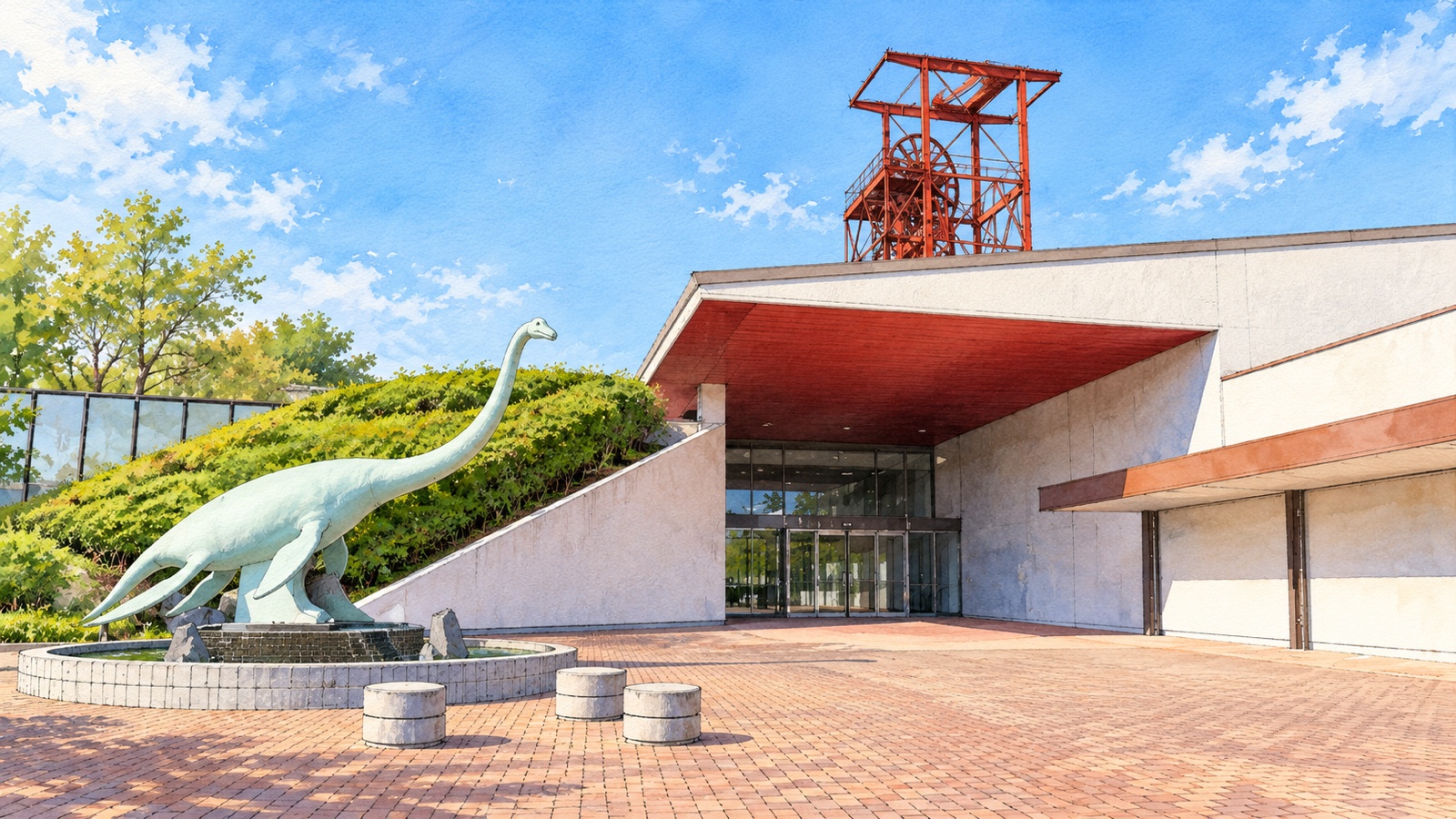
To learn about the coal-mining work and everyday life behind the film, visit Iwaki Coal and Fossil Museum Horuru. The museum covers coal-related materials and fossils discovered in Iwaki. It also has a recreated mine tunnel showing the mining process and underground conditions.
The mock mine evokes taking an elevator down 600 meters underground. Inside, frames like those in an actual mine are arranged to show mining methods from earlier periods to later ones. The displays trace the shift from manual digging to machine-assisted work, along with changes in tools and working conditions.
The Life Gallery recreates a coal-mining home from around 1935 and postwar communal facilities, including a neighborhood office and shared kitchen. Visitors can see not only the workplace but also homes and shared facilities used by miners’ families. A video room screens footage documenting the coal industry and its work.
Outside, exhibits include a battery-powered locomotive and coal cars, as well as a single-drum coal cutter. A plaque from the Sumiyoshi mine entrance is also preserved, bearing an inscription written in 1923 by Soichiro Asano, president of Joban Coal Mining.
- Location
- 3 Mukoda, Joban-Yumotomachi, Iwaki, Fukushima Prefecture
- Connection to the film
- Museum documenting mining techniques and life in coal-mining communities in the Joban coalfield, the historical setting behind the film
- Exhibits
- A mock mine simulating a descent 600 meters underground; recreated coal-mining home from around 1935 and postwar shared kitchen
- Outdoor exhibits
- Battery-powered locomotive and coal cars, single-drum coal cutter, and 1923 plaque from the Sumiyoshi mine entrance
Sources: Horuru exhibits / Iwaki Film Commission: Horuru facility guide
④ Nakaminato Station | The Minato Line Station Used in the Film’s Closing Scenes
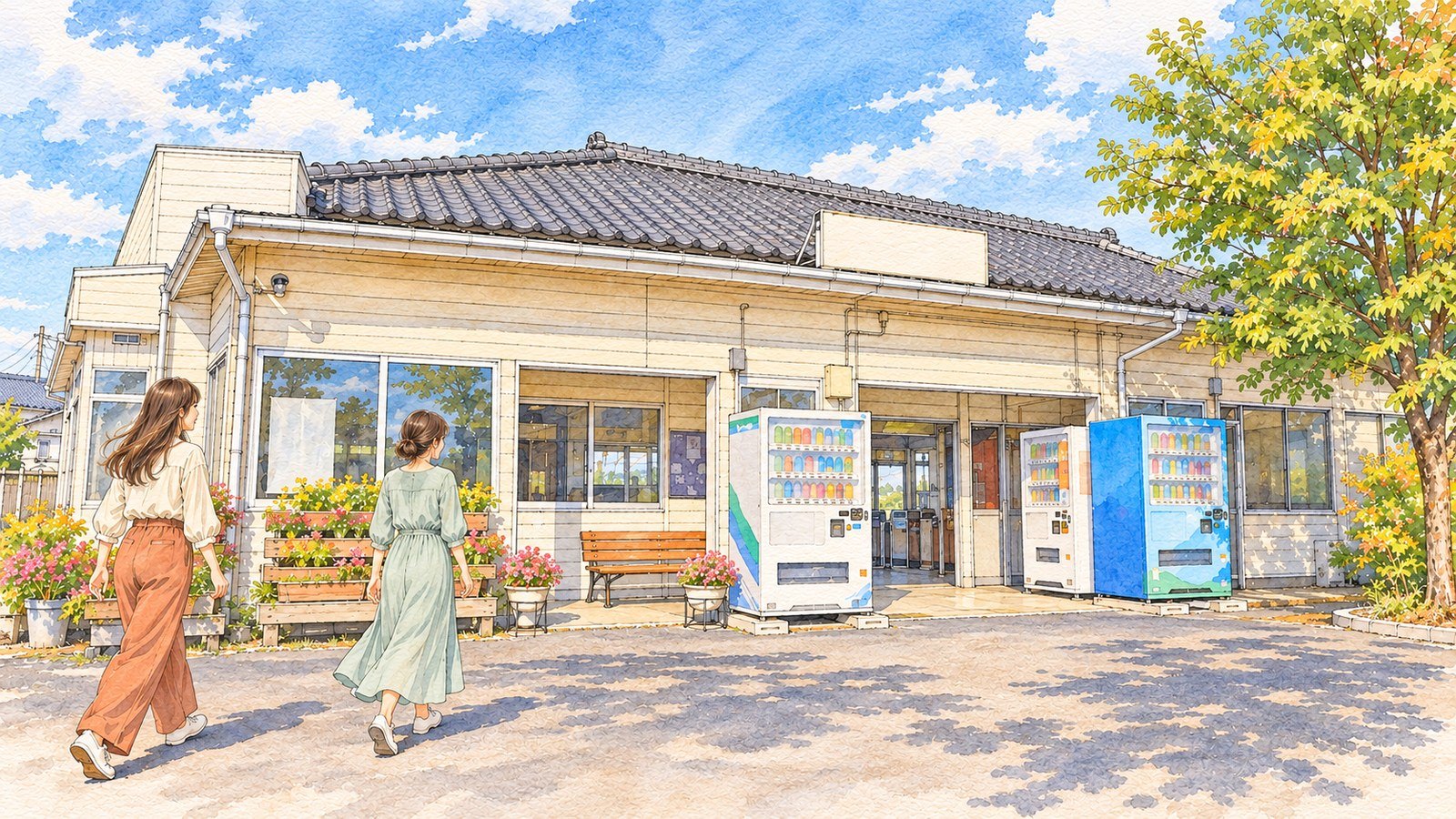
Nakaminato Station in Hitachinaka, Ibaraki, is the filming location for the station near the end of Hula Girls. The Ibaraki Film Commission’s production record notes that filming continued until dawn. The station is some distance from Iwaki, where the story is set, but it is a real location for an important scene in the film.
At the time of filming, the operator was Ibaraki Kotsu; today, the station is part of the Hitachinaka Seaside Railway. Its wooden station building dates to the line’s opening in 1913 and has been selected as one of the “100 Best Stations in the Kanto Region.” Minato Line trains still stop here, and the station window sells paper tickets and railway goods.
The 14.3-kilometer Minato Line connects Katsuta and Ajigaura stations. Nakaminato is a central station along the line. A depot stands behind the station building, where the stainless-steel diesel railcar Kiha 601 is preserved.
The station sign incorporates illustrations of Nakaminato’s reverberatory furnace, the Kiha 601, and the station cat. The furnace was built at the end of the Edo period to cast cannons. In front of the old station building used in the film, the sign introduces both the town’s historic site and its railway car.
Nakaminato is staffed. If you are not boarding a train, buy a platform admission ticket at the window before entering the platforms.
- Location
- 22-2 Shakado-cho, Hitachinaka, Ibaraki Prefecture, on the Hitachinaka Seaside Railway Minato Line
- Connection to the film
- Filming location for the station scene near the end of the film, shot through dawn
- Station building
- Wooden building dating to the line’s opening in 1913; selected as one of the 100 Best Stations in the Kanto Region
- Highlights
- Preserved Kiha 601 diesel railcar in the depot and station sign depicting the reverberatory furnace and station cat
Sources: Ibaraki Film Commission: Hula Girls / Hitachinaka Seaside Railway: Nakaminato Station / Ibaraki official tourism: Minato Line
⑤ Shin-Ochiaibashi Bridge | A Wooden Filming Location with Slender Supports
Shin-Ochiaibashi in Ochiaicho, Hitachiota, Ibaraki, was also used as a filming location for Hula Girls. The Ibaraki Film Commission records six days of filming between January and February 2006. The coal-mining homes where Kimiko and her teacher Madoka live were filmed at Nakasato Housing and Kaminoyama Housing in Kitaibaraki. Filming also took place at a soba restaurant in Takahagi and at Nakaminato Station.
According to the Film Commission’s location guide, Shin-Ochiaibashi is an old wooden bridge, older still than nearby Hachiman Bridge. About 10 piers support it. Slender posts hold up its plank deck, and small boats are moored along the slow-moving river. Looking toward Hitachi, mountain ridges are visible in the distance.
The low bridge has no railings and is open to vehicles up to two tons.
- Location
- Ochiaicho, Hitachiota, Ibaraki Prefecture
- Connection to the film
- Wooden bridge used in filming in January and February 2006, according to the Ibaraki Film Commission
- Highlights
- A weathered wooden bridge supported by rows of slender posts
- Traffic
- Vehicles up to two tons may cross
Sources: Ibaraki Film Commission: Hula Girls / Shin-Ochiaibashi
How Kimiko and Madoka Began to Dance
A Dance Teacher Comes to the Coal Town, and a Girl Learns Hula for the First Time
The film is set in 1965. As coal-mining work declines in the town, a plan takes shape for a new tourist resort. Hirayama Madoka arrives from Tokyo to teach the hula dancing that will become its main attraction. Yasuko Matsuyuki plays the teacher, who is initially reluctant.
Kimiko Tanikawa, played by Yu Aoi, is a girl growing up in the coal-mining town. Despite her mother’s opposition, she pursues her dream of becoming a dancer and devotes herself to practice. At first, Madoka is reluctant to teach the girls. But seeing Kimiko and the others brings back her own passion for dance.
Yasuko Matsuyuki
She plays Hirayama Madoka, a dance teacher who comes from Tokyo to the coal-mining town. Before filming, she trained for two months, six to eight hours a day, and even learned the students’ choreography in mirror image.
Yu Aoi
She plays Kimiko Tanikawa, a girl devoted to hula despite her mother’s opposition, and received the Japan Academy Film Prize for Newcomer of the Year. She narrated the 2011 documentary about the story.
Sumiko Fuji
She plays Kimiko’s mother, Chiyo Tanikawa. In the early union meeting scene, the opposition voiced by a large group is later conveyed through Fuji’s performance alone.
Ittoku Kishibe
He plays Norio Yoshimoto, who advances the plan to build the Hawaiian Center. Rather than explain the project’s necessity in a long speech, his character convinces the audience through his determined actions.
Kaleinani Hayakawa
A longtime hula instructor at Hawaiians, she coached and choreographed the film’s hula dances. The Tahitian number the cast performed in January 2006 was the last choreography she created before retiring as an instructor.
Sources: TBS Channel: Hula Girls / Yasuko Matsuyuki interview at Cinema Today / director Lee Sang-il interview at CINEMATOPICS / Hawaiians official blog: production notes from January 2006
Sumiko Fuji as a Coal Miner’s Wife and Ittoku Kishibe Building the Resort
Sumiko Fuji plays Kimiko’s mother, Chiyo Tanikawa. Her opposition to her daughter’s new work carries the feelings of people who built their lives in the coal-mining town. Director Lee Sang-il explained that, in the early union meeting scene, he asked Fuji to convey on her own the resistance previously expressed by a crowd.
Ittoku Kishibe, meanwhile, plays Norio Yoshimoto, who is working to establish the Hawaiian Center. Instead of using a long speech to explain why the plan is necessary, he persuades the audience through his desperate efforts. Around the girls’ story of practice, the adults carry both the desire to protect the coal industry and the decision to move into a new business.
Source: CINEMATOPICS: director Lee Sang-il interview
Why Yasuko Matsuyuki Learned the Choreography in Mirror Image
For two months before filming, Yasuko Matsuyuki trained for about six to eight hours a day. Aside from a short period of ballet lessons in elementary school, she had almost no dance experience. She took on Tahitian dance, which involves bending the knees, keeping the hips low, and maintaining rapid lower-body movements.
Because she played the teacher, Matsuyuki learned not only her solo but also choreography for six or seven numbers performed by the students. She even learned the movements in reverse so she could teach them face to face. She prepared to suggest ways to teach when the production called for new movements on set.
Matsuyuki said the difficult scene was when Madoka scolds Kimiko in the practice room. She understood the work of having to dance with a smile even when things are hard. She sought to portray Madoka’s strictness through her presence and changing expressions as well as the force of her voice.
Source: Cinema Today: Yasuko Matsuyuki interview
Kaleinani Hayakawa’s Dance Coaching for the Film
Kaleinani Hayakawa, who had taught hula at Hawaiians for many years, worked on dance instruction and choreography for the film. The resort’s official blog during production describes lessons where she checked movements from footwork to fingertips.
During a lesson in January 2006, Hayakawa applauded and cried as the cast finished an energetic Tahitian number. The choreography was the final piece she created before retiring as an instructor at Hawaiians. The dances practiced by the cast carried memories of the choreographer’s own stage career as well.
Source: Hawaiians official blog: production notes from January 2006
The Final Dance, Inspired by the Director’s Visit to Hawaiians
Director Lee Sang-il said he was surprised on an early visit to Hawaiians: the show was fast-paced and emotionally powerful, unlike the relaxed dancing he had imagined. That experience led him to focus on what the final dance should convey and to build the characters’ stories toward it.
For the dance scenes, the crew filmed wide shots showing the full choreography, facial expressions, and the movements of hands, feet, and hips. They also captured moments intended for slow motion, then chose the final combinations in editing. The director recalled that because the actors had mastered the dances, the crew could select the shots it needed without relying on unusual camera techniques.
Source: CINEMATOPICS: director Lee Sang-il interview
The Art Design That Built a Coal-Mining Town
In an interview around the film’s release, director Lee Sang-il described the idea of layering the coal-mining town’s spoil heap over Hawaii’s Diamond Head. A spoil heap is a hill built up from waste rock and other material from mining. The film’s art design imagines a distant tropical landscape within the scenery of a coal town.
Yohei Taneda designed the film’s art. It was his second project with Lee after 69. The idea of transforming a coal-mining landscape into a tropical one extended beyond the large hill to even the dancer-recruitment flyers posted around town. The director said he cared about how even a single poster looked on the wall.
Source: cinemacafe.net: director Lee Sang-il interview
A Large-Scale Shoot at Hawaiians with About 1,100 Extras
On February 27, 2006, the crew filmed at Hawaiians with about 1,100 extras from Iwaki and elsewhere. Participants gathered early in the morning, had their hair styled to look about 40 years older, and were fitted for costumes before going on set. Local residents and others played the crowds of the 1960s in front of the camera.
A press conference was also held that day with Yasuko Matsuyuki, Yu Aoi, Shizuyo Yamasaki, and Kaleinani Hayakawa. The cast had reached the point of performing the dances they had practiced, and the production filmed the resort’s stage together with the audience surrounding it.
Source: Hawaiians official blog: filming on February 27, 2006
From the Joban Hawaiian Center to Today’s Hula Girls
- April 1965Joban Music and Dance Academy opens to train performersTraining
- December 1965First class performs its debut at Sankei Hall in TokyoPerformance
- January 15, 1966Joban Hawaiian Center opensFacility
- 1990Renamed Spa Resort HawaiiansFacility
- January 2006Production of Hula Girls announcedFilm
- September 23, 2006Hula Girls opens in theatersFilm
- 2007Wins Best Picture at the 30th Japan Academy Film PrizeFilm
- November 1, 2007Hula Museum opensExhibit
- May–October 2011Kizuna Caravan performs across JapanPerformance
- October 1, 2011Part of the resort reopensFacility
- February 8, 2012The entire resort reopensFacility
- November 10, 2025Hula Museum temporarily closes for renovationExhibit
- February 6, 2026Hawaiians Time Tunnel opensExhibit
Dancer Training Began the Year Before the Resort Opened
The Joban Music and Dance Academy was established in April 1965, before the resort opened. Yutaka Nakamura, then vice president of Joban Coal Mining, envisioned a tourist facility operated by employees and their families, and founded a school to train its dedicated dancers.
The first class comprised 18 young women from coal-mining families. Their average age was 17, and most had little dance experience. They trained for about eight months under Kaleinani Hayakawa, who had been invited from Tokyo, before taking the stage.
On December 6, 1965, the first performance was held at Sankei Hall in Otemachi, Tokyo. More than 2,000 people attended each of the two shows, one in the afternoon and one in the evening. The dedicated team performed in Tokyo before the Hawaiian Center opened the following month.
In 1968, the academy became a vocational school authorized by Fukushima Prefecture. Along with hula and Tahitian dance, flamenco was a required subject. The school worked both to give parents a place where they could entrust their daughters and to teach the skills needed for the stage.
Sources: History of the hula girls / Hawaiians contributor article: founding the Joban Music and Dance Academy
Hot Springs from the Coal Mine Grew Tropical Plants
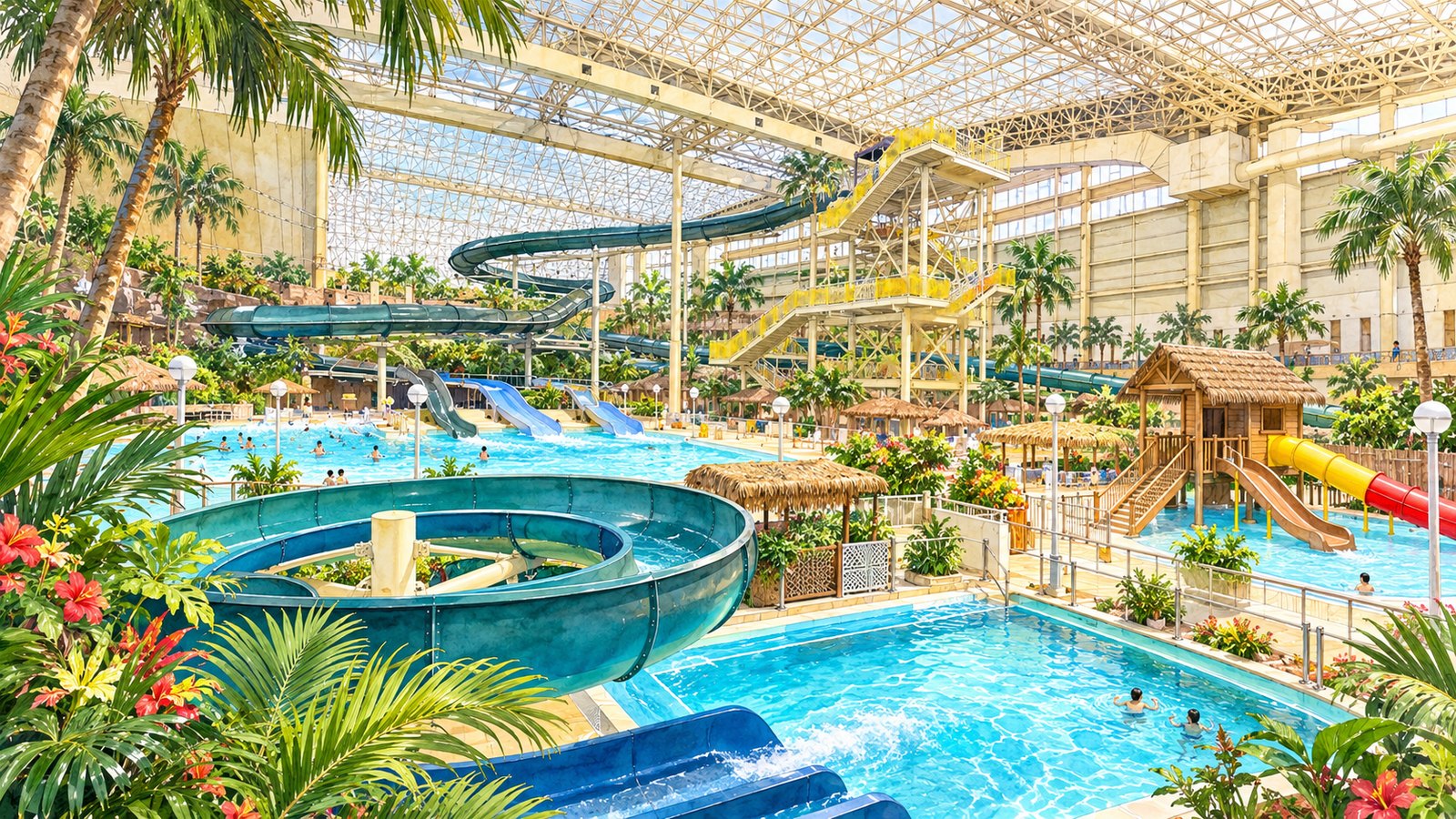
Large amounts of hot spring water welled up during mining at Joban Coal Mining. The Hawaiian Center opened on January 15, 1966, using this water and its heat. Energy from a coal-mining site was put to use for bathing and for growing tropical plants.
The large dome at opening covered about 7,000 square meters and was the forerunner of today’s Water Park. Using hot spring heat, the resort grew palms and banana trees; the bananas that ripened became a major attraction. In its first year, the resort welcomed about 1.2 million visitors.
Admission at the time was ¥400. Aloha shirts and muumuus were each sold as souvenirs for ¥300. The resort’s slogan, “Go to Hawaii with ¥1,000,” came from these prices.
Source: Hawaiians history
The 2006 Film Release and a Costume Exhibit in 2007
Hula Girls opened nationwide on September 23, 2006. The Hula Museum opened on November 1, 2007, following the film. The place documenting the people who supported the resort’s founding was joined by an exhibit of film costumes and panels. Today, those materials are on display in the Time Tunnel.
Sources: Hawaiians history / announcement of film production / TBS Channel film profile / exhibit renovation notice
Performances Across Japan Continued After the Film
The Great East Japan Earthquake on March 11, 2011, forced Hawaiians to close. While the stage was unavailable, the 23 hula girls on the team split into three groups and set out on the Kizuna Caravan. From May through October, they performed 247 shows at 125 locations across 26 prefectures and in Seoul, South Korea.
A special Hula Girls OG performance was also planned for October 18, 2025, bringing together members who had danced away from the resort during the caravan. They were to recreate part of the caravan program at the Beach Theater, with ticket proceeds donated to the Japanese Red Cross Society. A message board used at one of the original venues was also to be exhibited.
Source: Kizuna Caravan and 2025 OG performance
Yu Aoi Narrates Ganbappe Hula Girls!
Ganbappe Hula Girls! — Living in Fukushima: Where They Are Now, released in October 2011, is a documentary following dancers and resort staff after the earthquake. Director Masaki Kobayashi filmed the caravan and the preparations to reopen for four months.
While part of the resort was offered to people evacuated from their homes, staff also prepared to reopen. The camera follows not only the hula girls onstage but also employees and people affected in the region. Yu Aoi, who played Kimiko in the 2006 film, narrates. Jake Shimabukuro, who also contributed to the film, provided music.
Source: Hawaiians: documentary profile
The DVD released in 2012 also includes Ganbappe Report: The Spring One Year Later, which captures the spring after a year had passed since the earthquake. Director Kobayashi returned to Fukushima and visited the people featured in the documentary.
The short features fire-knife dancers who could perform again after the resort reopened, people from Hirono who had temporarily evacuated to the resort and were building new lives, and a manager and hula girls reflecting on life after the film’s release. The documentary follows the road to reopening; the bonus feature records the lives and performances that followed.
Source: Hawaiians: DVD contents
The Film Screened at the Resort for Its 10th Anniversary
For the 10th anniversary of the film’s release in 2016, Hula Girls was screened inside Hawaiians. The event ran from September 23 through December 14 at Hawaiian-za, in the Aloha Town rest area on the first floor of the amusement building. Visitors could watch a film about the resort’s origins while staying at the resort itself.
The official blog’s December schedule listed two daily screenings, at 10:15 a.m. and 2:30 p.m., each about 120 minutes. A special Kizuna Message Show at 4:45 p.m. also ran through December 14. The schedule let visitors follow the afternoon screening with a performance, pairing the film with the dancing team onstage.
Another milestone for which the film’s cast were announced as guests came on October 1, 2011, when Hawaiians resumed business after the earthquake. An official announcement the day before said Yu Aoi and Shizuyo Yamasaki were scheduled to attend a ceremony at Spring Park.
Sources: 2016 resort screening and special show / 2011 reopening ceremony
An Online Special Show and a Live Band
The Hawaiians official channel released an online special show, Hula Girls: Niji wo. Created for audiences who could not visit during the COVID-era closures, the production centered on the dancers, who shared hula videos and a message relay and also held an online performance.
The live music on today’s stage is provided by the resident band, the Etena Tahitians. Its instruments include guitar, bass, drums, keyboards, ukulele, and the Tahitian percussion instrument to’ere. For example, AYA sings and plays ukulele and guitar, while YOSHINORI plays drums and to’ere. Performers switch between multiple instruments to play Hawaiian and Tahitian music.
Sources: Hawaiians official channel / Etena Tahitians
You can play this video in the official video at the top of this page ↑
The Film’s Vocals and Its Theme at Iwaki Station
Jake Shimabukuro, who wrote music for the film, is an ukulele player. Jennifer Perri, from Hawaii, sings “Wish On My Star” in the film and the English vocal version of the theme, “Hula Girl: Yume wo.” This film was the first time a vocal was added to one of Jake’s compositions. Both songs with vocals are included on the original soundtrack.
Source: Sony Music: songs with vocals from the film
In 2016, it was decided that the theme “Hula Girl” would become a departure melody at JR Iwaki Station. The project marked the 50th anniversary of Iwaki City. A station ceremony and free live performance by Jake himself were announced for its introduction on October 1. Music heard in the cinema became part of the railway in the town connected with the film.
Source: Sony Music: announcement of the Iwaki Station melody
Different Shows by Day and Night, Plus an Early-Evening Performance
The daytime Ke Aloha show at the Beach Theater starts at 1:30 p.m. and runs about 30 minutes; the evening Haku Lei show starts at 8:30 p.m. and runs about 50 minutes. Some dates add a 7 p.m. evening performance. Both shows are presented at the same Beach Theater.
As of September 1, 2026, the early-evening program is Tahitian Dance Show: ARANUI. It takes place at Spring Park Plaza at 4 p.m. and lasts about 20 minutes. The show centers on Tahitian dance, accompanied by percussion from the Etena Tahitians.
Aranui means “ocean road.” Among the Polynesian dances presented at Hawaiians, this show puts Tahitian music and movement at the center.
Sources: Dancing team performances / ARANUI
HARUKA Became a Solo Dancer Inspired by the Film’s Taneimua
Near the end of the evening show, a solo dancer performs the Tahitian dance Taneimua. It is also the dance performed at the climax of the film. This is a signature moment for the dancing team, reserved for the performer selected as a solo dancer.
Arei and Haruka, selected as solo dancers in 2025, both joined in April 2019 and trained as members of the academy’s 55th class. They made their stage debuts in August of that year and advanced to solo roles together in their seventh year.
Haruka said she decided to become a hula girl after seeing Taneimua in the film. She was struck by the backbend, in which a dancer arches far backward and then rises. Her current solo name is Tiare Haruka. A dance she once watched from the audience and in the cinema is now her own to perform.
Sources: Hawaiians official blog: new solo dancers / current team members
Some Dancers Were Inspired from the Audience; Others Started in High School
The current captain, Puamelia Mayu, is from Fukushima and graduated from the academy’s 54th class. After being moved by a show as a child, she decided she wanted to share that feeling through her own dancing. Solo dancer Puanani Aisumi, from Ibaraki and a member of the 56th class, became interested in the work after learning that her mother had been a hula girl.
MIYA, from Aichi, visited Iwaki to compete in the 2022 Hula Girls Koshien. She said the welcome she received led her to want to dance as a member of the community. On July 4, 2026, three members of the 62nd class, from Shizuoka, Gunma, and Kagoshima, also made their debuts. The team that began with daughters of coal miners now includes people from across Japan who grew up enjoying hula.
Source: Hawaiians: current team members
A 45-Minute Lesson with a Current Hula Girl
Aloha Enjoy Hula is a beginner experience taught by a current hula girl. It is open to adult women and girls, lasts about 45 minutes from 4:30 p.m., and costs ¥2,200. It is usually held in the Dome Studio on the fifth floor of Spring Park.
Reservations are required by 6 p.m. the day before, and the class needs two to 15 participants to run. There is no age limit, but a girl who cannot take the lesson alone must be accompanied by an adult woman who also enrolls.
Only registered participants who have paid the lesson fee may enter the studio; spectators and video recording are not allowed. A mother and daughter attending together should book and pay for two participants.
Source: Aloha Enjoy Hula
A 50th-Anniversary Exhibit of the Seibu Mine Closure and the “Last Coal”
In 1976, 11 years after the film’s setting, Joban Coal Mining closed its Seibu mining operation. Horuru’s planned exhibition, “The End of the Coal Mine: 50 Years Since the Closure of Joban Coal Mining’s Seibu Mine,” runs from November 7, 2026, through February 14, 2027. Along with photographs and documents, it will display the “last coal” extracted when mining ended.
Related events are scheduled as well: a lecture by Koichi Oyake of the Joban Coalfield History Research Society on November 29; a screening of coal-mining footage led by a curator on December 20; and a talk by a former mine worker on January 24, 2027. Each runs from 1:30 to 3 p.m.; the November lecture requires a reservation.
The museum also offers a 360-degree virtual tour of its coal and fossil exhibits, including the mock mine. Created in collaboration with a research lab at Fukushima National College of Technology, the tour lets visitors turn around on screen and read exhibit information as they move through the space.
Sources: 50th-anniversary exhibition on the Seibu mine closure / Horuru VR tour announcement
Research Note | A Business Perspective: Becoming a Dancer After Admiring the Film
At Hawaiians, visitors can see costumes from the film and watch the current dancing team perform. HARUKA, introduced above, became a solo dancer because she admired the film’s Taneimua. The film’s connection with the resort extends beyond audience visits: it has also motivated someone who now performs onstage.
The 45-minute lesson taught by a current hula girl lets visitors try with their own bodies a dance they may previously have only watched. By presenting film materials, current shows, and a hands-on lesson at the same resort, Hawaiians offers different ways to participate at different levels of interest. For a facility that turned its history into a film, the question is not only how to preserve a commemorative exhibit, but also how to share the skills of today’s performers and give visitors ways to experience their work.
Sources
- Hawaiians: show schedule
- Hawaiians Time Tunnel
- Iwaki Coal and Fossil Museum Horuru
- Nakaminato Station
- TBS Channel: Hula Girls film profile
- Hawaiians official channel: debut of new hula girls
- Hawaiians official channel: Polynesian Grand Stage “Otea”
FAQ
Can I visit the Hula Museum?
The museum has been temporarily closed for renovation since November 10, 2025. Current official information points visitors to the Hawaiians Time Tunnel on the second floor of Spring Park, where film costumes and panels are on display. As of October 2026, no reopening date had been announced. These exhibits are available in the Spring Park display area during renovations.
Are the hula girls in the film the same performers as those in today’s shows?
The 2006 film features actors. Today’s performances feature the Hawaiians dancing team. At the facility that inspired the film, visitors can see the dance tradition that continues there.
Do I need to reserve a seat to see a show in addition to buying admission?
It depends on the performance and seat type. The daytime show offers general-admission seats, while the evening show has paid seating.
Is the station from the film in Iwaki?
The station scene near the end of the film was shot at Nakaminato Station in Hitachinaka, Ibaraki. It is still operating as a station on the Hitachinaka Seaside Railway Minato Line.
Were other locations in Ibaraki used for filming?
According to Ibaraki Film Commission records, filming also took place at Shin-Ochiaibashi in Hitachiota, Nakasato Housing and Kaminoyama Housing in Kitaibaraki, and a soba restaurant in Takahagi, in addition to Nakaminato Station.
Was Horuru a filming location?
No. Horuru is a museum where visitors can learn about work and life in the Joban coalfield, part of the film’s historical background. It exhibits coal-related materials and fossils discovered in Iwaki.
Where can I see how people lived in the coal-mining town?
Horuru’s Life Gallery has displays recreating a coal-mining home from around 1935 and postwar neighborhood facilities, including a communal office and kitchen.
Can I try hula at the resort?
Aloha Enjoy Hula is available. It is open to adult women and girls, and beginners can join. Advance reservations are required by 6 p.m. the day before, and a minimum group size applies.


